Hope Schoolhouse preserves Vinton County's iron-era boomtown history
Hope Schoolhouse is a trail stop, museum and reminder of a furnace village that once powered a 400-person boomtown in Vinton County.
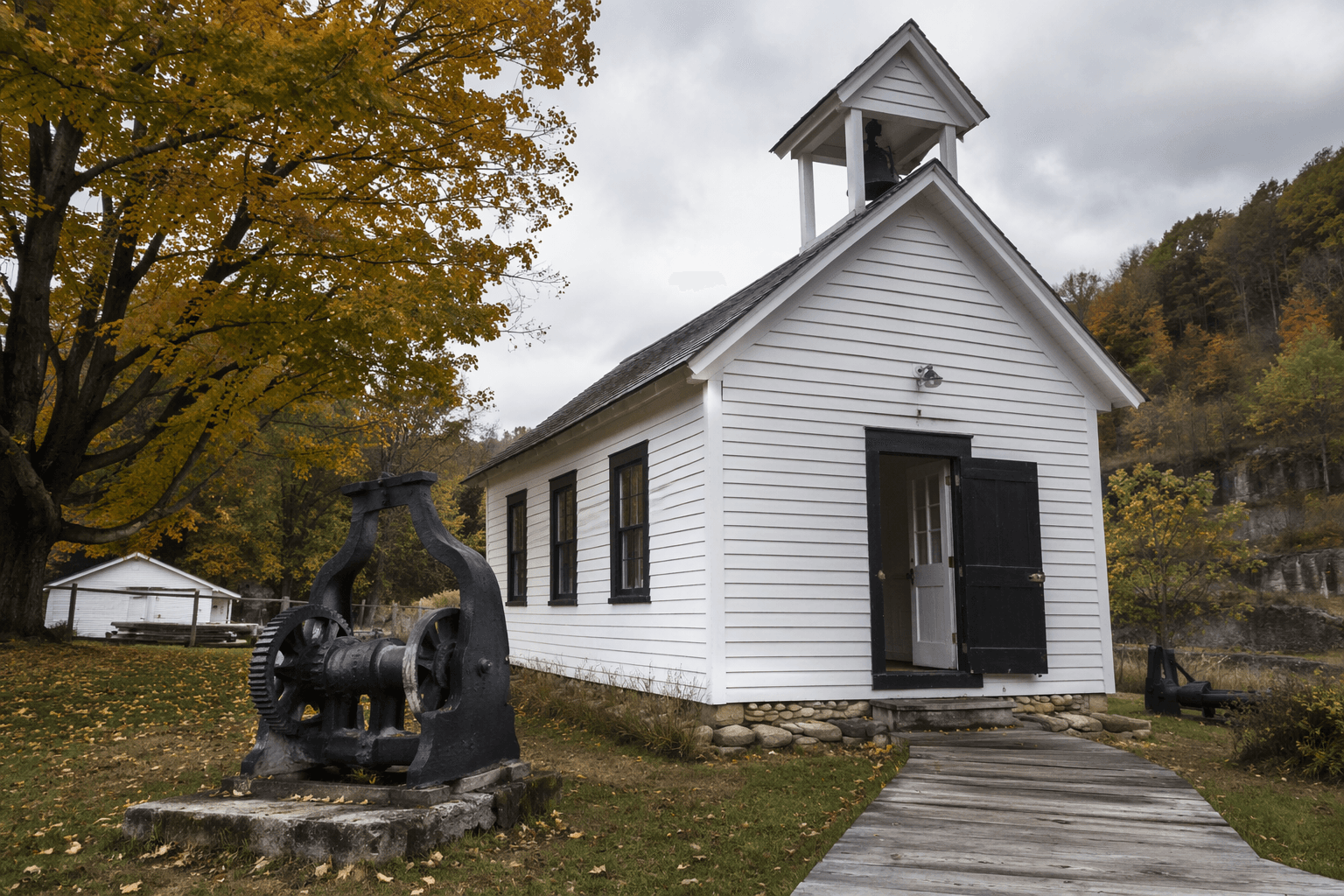
A small white schoolhouse in Zaleski State Forest now serves as a museum and trail stop, but its story begins with iron. Hope Furnace once anchored a busy company town here, and the schoolhouse that followed gives visitors a tangible way to see how Vinton County’s industrial era shaped the land that remains today.
The furnace that made Hope
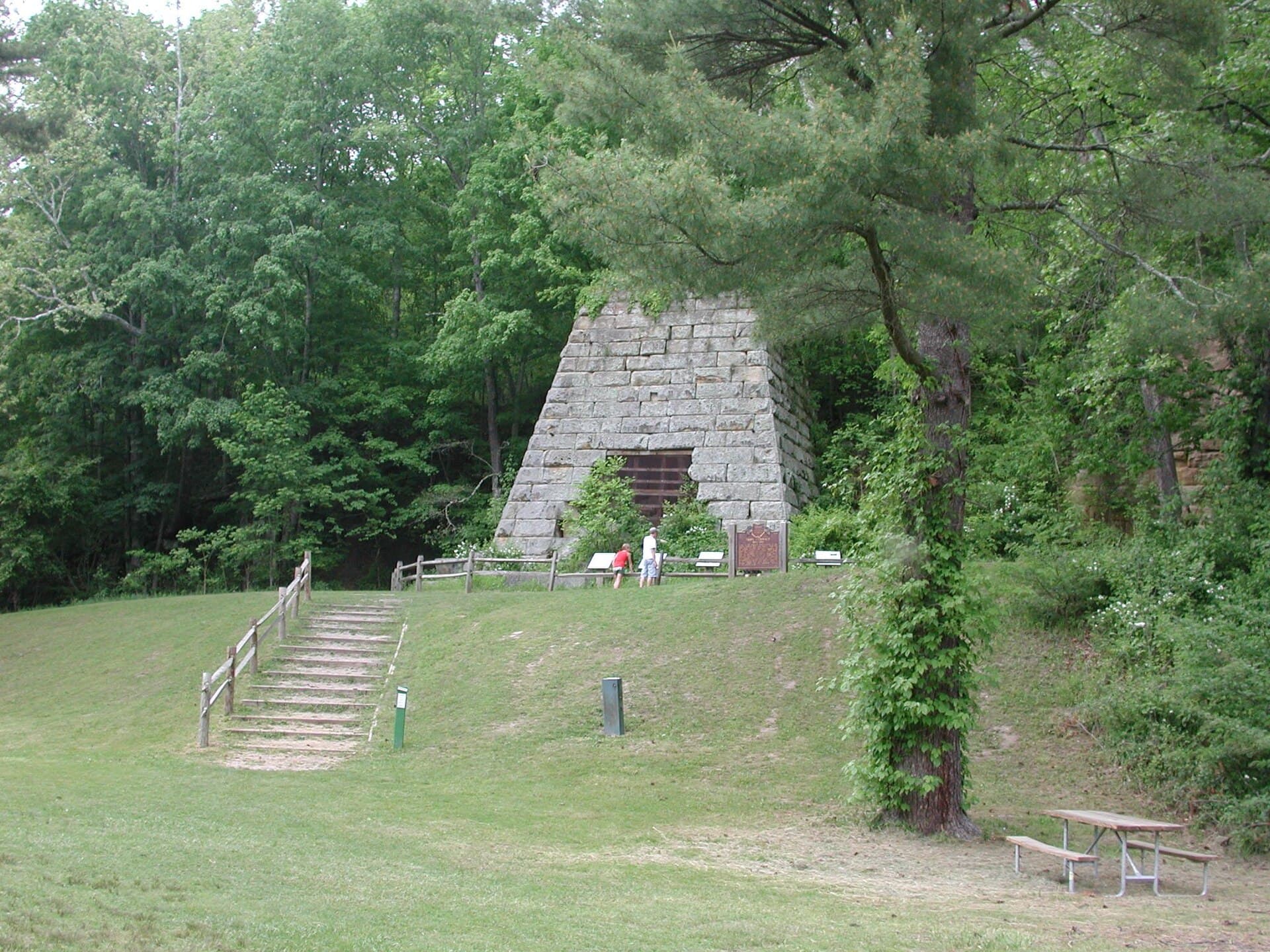
Hope Furnace was built in 1853-54 and supported a community of about 300 to 400 people, including ironworkers, farmers and tradesmen. A historical marker account says most workers lived in single-room log homes, a detail that makes the settlement’s daily life feel far less romantic and far more practical than a roadside history sign usually suggests.
The furnace operated until 1874, when the iron economy that had filled the hollow with people began to fade. One marker places Hope Furnace among 69 charcoal iron furnaces scattered across the Hanging Rock Iron Region that operated between 1826 and 1916, which puts this site in the middle of a much larger industrial network rather than on the edge of it. The Vinton County Convention & Visitors Bureau says that region was one of the largest iron-producing areas in the nation and produced much of the iron used by Union troops during the Civil War.
That broader industrial frame matters because Hope was not just a local settlement that happened to have a furnace. It was part of the machinery of wartime supply and rural industry in southeastern Ohio, and when the furnace closed, the community lost the economic base that had drawn families there in the first place. The abandoned land was sold in 1884, another sign that the old boomtown had already begun to recede into the forested landscape that visitors now see.
How the school became the center of the place
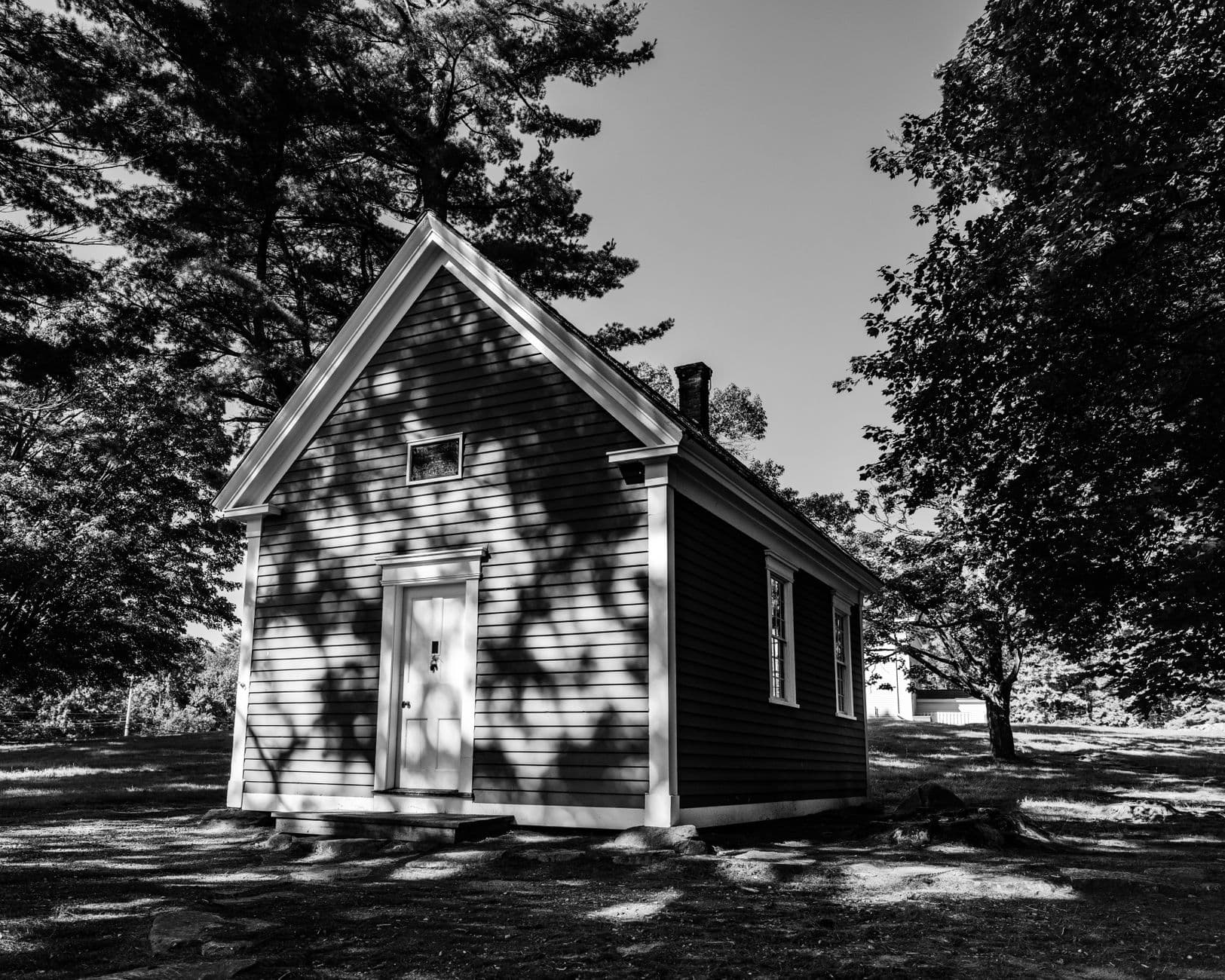
The school district bought a half-acre lot in 1883 and built Hope Schoolhouse there, giving the community a new civic anchor after the furnace era had passed. By the 1920s and 1930s, the school was said to hold one of the largest school libraries in Vinton County, which suggests it was more than a classroom. For families scattered through the area, it also served as a local knowledge center.

Fire destroyed the old schoolhouse in 1931, and the Vinton County Convention & Visitors Bureau notes that the building may have burned more easily because floors were treated with kerosene to keep dust down. The school was rebuilt in 1932, then closed in 1941, when students moved to Brown-Zaleski School. That sequence tells a sharp local story: industry brought a settlement, education helped it endure after the furnace shut down, and consolidation eventually folded the school into a larger system.
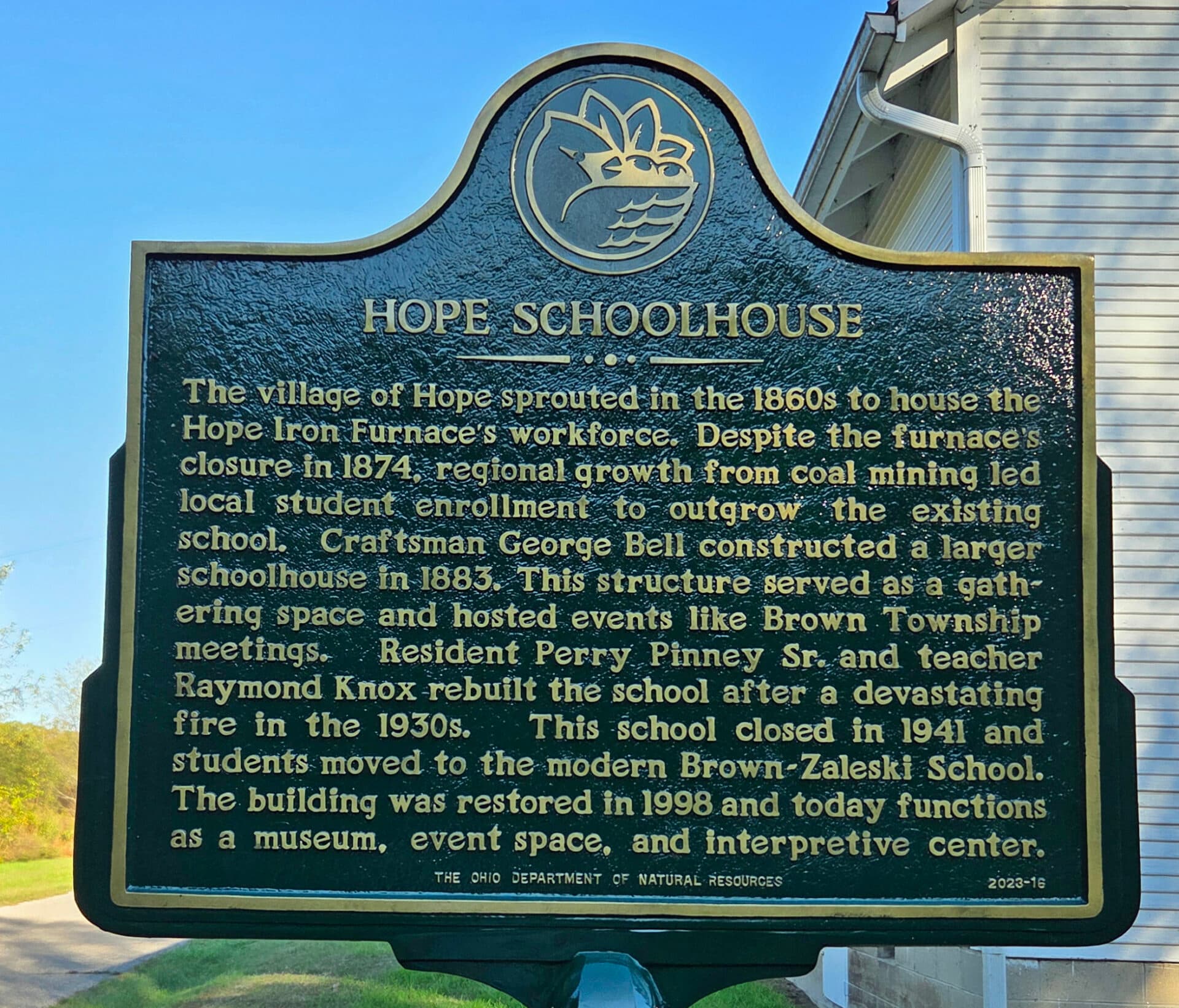
The historical marker for the schoolhouse frames that connection plainly. The boom in iron drew families to the area around Zaleski State Forest, and once those families settled, they needed both a community center and a school system. Hope Schoolhouse became the place where that transition from industrial camp to rural community was made visible.
What visitors can see now
The Ohio Department of Natural Resources restored Hope Schoolhouse in 1998, and today it serves as an interpretive center and special event site. In practical terms, that means the building is not just a preserved shell. It is a place where the county’s past is organized for public use, with exhibits and programs that help explain the old furnace community to anyone who stops in.
The Vinton County Convention & Visitors Bureau says the building also functions as a visitor center stocked with brochures, maps, souvenirs, merchandise and Vinton County memorabilia. That makes it one of the most useful places in the area to start if you want to understand how Hope Furnace, Lake Hope State Park and Zaleski State Forest fit together. You are not just looking at an old schoolhouse; you are standing at a doorway into the county’s industrial and recreational history.
A trailhead added at Hope Schoolhouse in 2016 gives the site another layer of use. From there, a 2-mile connector links to the 28.8-mile Selinde Roosenburg Backpack Trail, which also includes a 10-mile day loop. That means hikers can move directly from a museum stop into the surrounding forest, with the landscape itself helping tell the story of what once stood here.
The setting reinforces the point. Hope Schoolhouse sits within Zaleski State Forest near Lake Hope State Park, and the state park preserves remnants of abandoned mining and iron-producing industries. Nearby Lake Hope Forest Park, the predecessor to the current park, opened in 1937. The modern recreation area and the historic site are tied together by the same ground, which is what makes this stop so effective for understanding the county’s past in the present tense.
Why the site still matters
Hope Furnace is listed on the National Register of Historic Places, a designation that underscores how rare surviving industrial sites are in Vinton County. The county’s historical record is scattered, but this one place gathers several chapters into a single visitable location: the furnace village, the school that followed it, the fire and rebuilding, the closure, the restoration and the present-day trail access.
For anyone trying to understand Vinton County beyond a map name or a forest boundary, Hope Schoolhouse is one of the clearest physical links to the iron era. It shows how a company town formed, how a school became a civic lifeline, and how preservation can keep that history legible without turning it into a theme.
This article was produced by Prism’s automated news system from verified source data, official records, and press releases, then run through automated quality and moderation checks before publishing. The system is built and supervised by the people who set the standards it runs under. Read our full AI policy.
Did this article answer your question?