Ohio Power Board Rejects 94-Megawatt Vinton County Solar Project Over Local Opposition
Open Road Renewables' $98 million solar-and-sheep project lost its state permit unanimously after a Cardington trustee's last-minute reversal tipped every local government in Morrow County against it.
Open Road Renewables had been trying for more than five years to develop the Crossroads Solar Grazing Center in Morrow County, combining solar power with sheep grazing. On March 26, the Ohio Power Siting Board voted unanimously to deny the project's construction permit, concluding the 94-megawatt facility "fail[s] to serve the 'public interest, convenience, and necessity' as required under Ohio law."
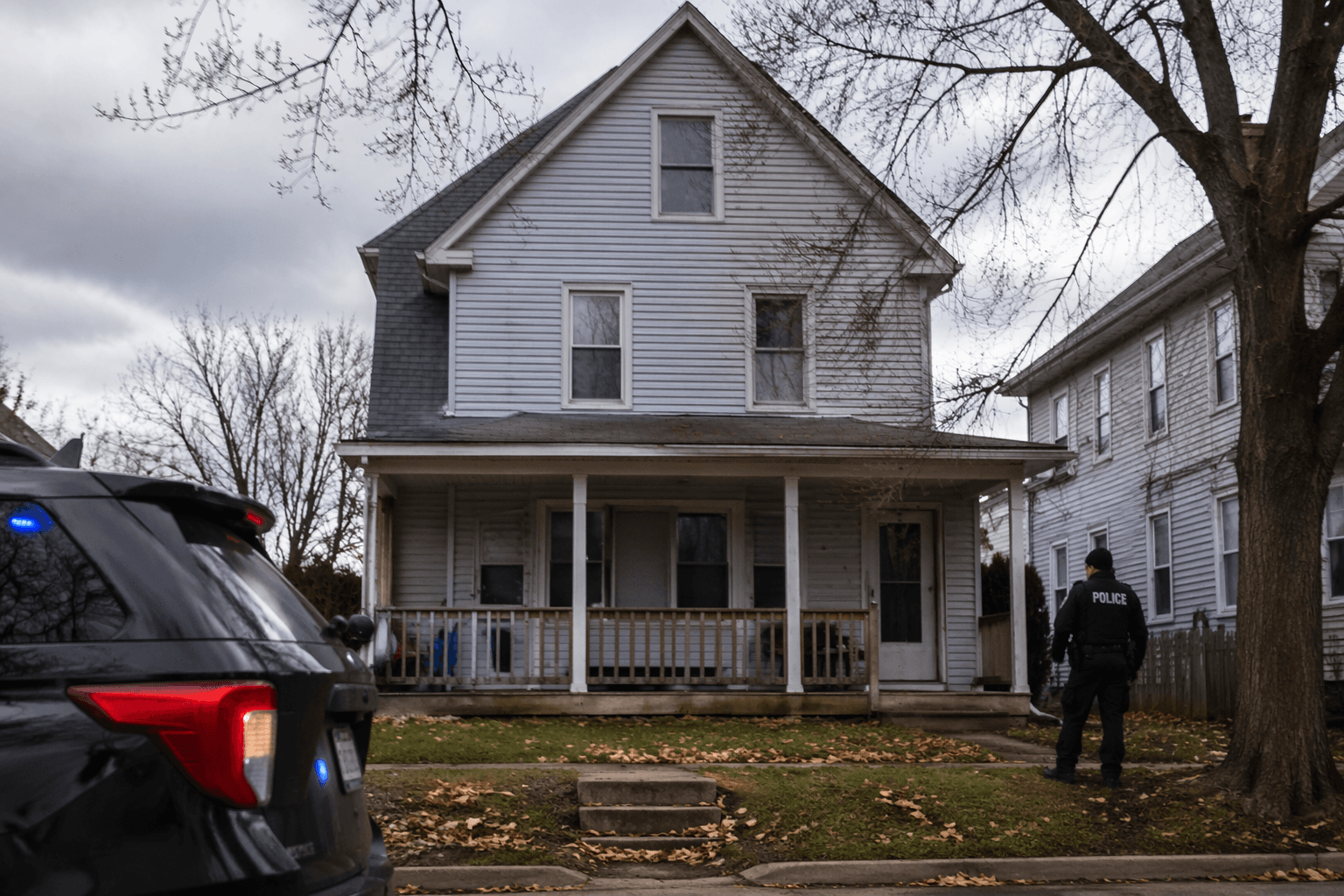
The outcome turned on a last-minute pivot inside Cardington Township. Morrow County commissioners and the boards of trustees in two townships where parts of the project would be built were against it, but the board in Cardington remained neutral, and because opposition wasn't unanimous, the siting board's staff recommended in early December that regulators deem the project in the public interest. But shortly after that recommendation, meeting minutes show that one Cardington township trustee changed his position because the staff report "did not set well with him." That led the Cardington trustees to pass a 2-1 resolution opposing Crossroads Solar, which ultimately led siting board staff to reverse its own stance in January, filing testimony that encouraged regulators to rule against the project. The Power Siting Board relied on that reversal to declare the project was not in the public interest.
Open Road Renewables was developing the project on 570 acres of land sited between Cardington, Lincoln, and Westfield townships. The developer said the project would have created 305 construction jobs, generated nearly $300,000 in annual tax revenue, and provided $100,000 per year in voluntary payments to the local school district. With an estimated investment of $98 million, the siting process attracted significant attention given time constraints tied to federal rollbacks of renewable tax credits.
The integrity of the public comment record also shadowed the proceeding. Doug Herling, vice president of Open Road Renewables, reviewed public comments filed with the siting board and found at least 34 instances in which people apparently gave false names or lied about their residence in Morrow County. After discarding the apparently false, anonymous, and duplicate comments, he found that more than 78% of those who filed remarks favored Crossroads Solar, with support within Morrow County running above 58%. The board acknowledged those concerns in its ruling but asserted that substantial public opposition existed regardless of the potentially fabricated comments.
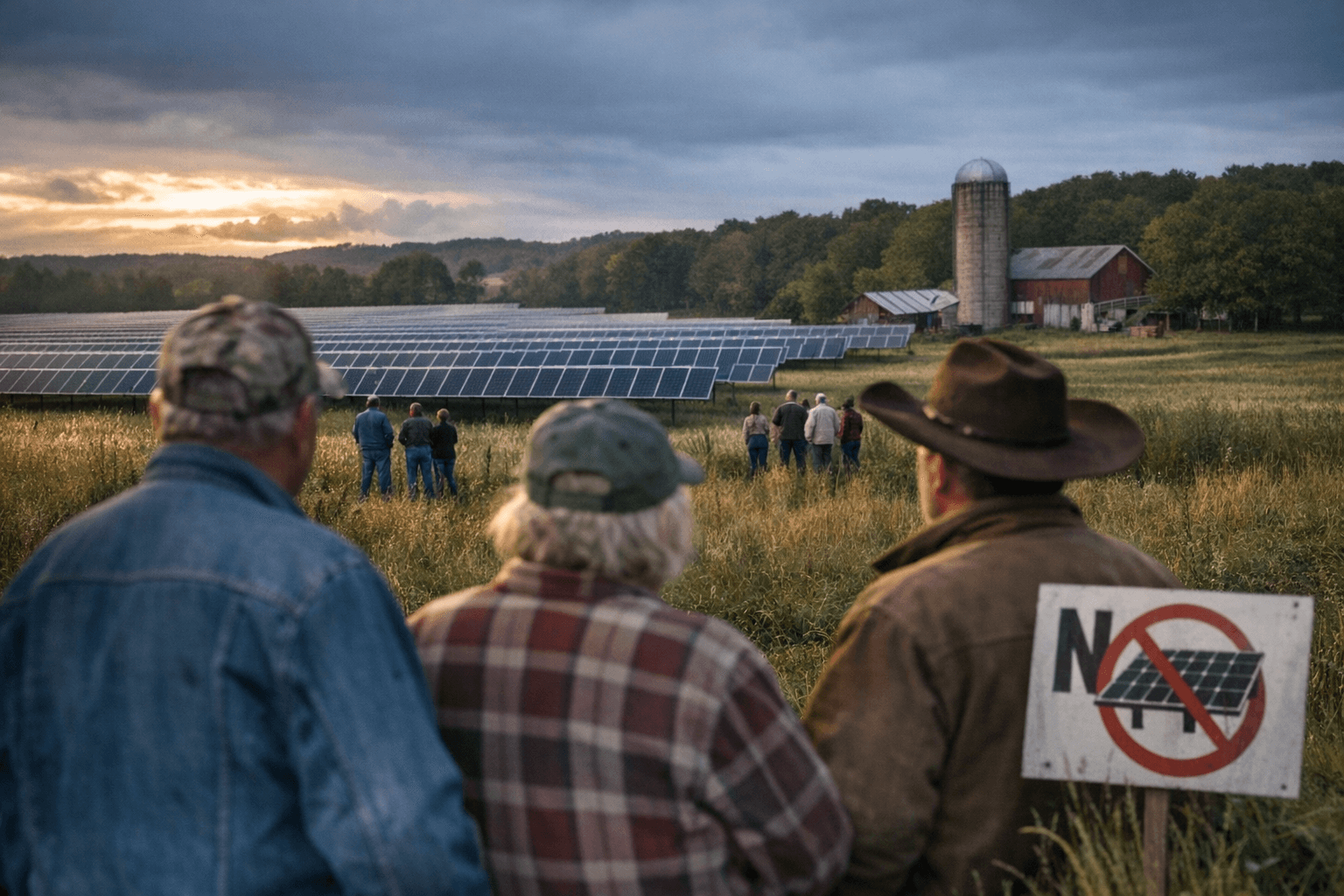
Craig Adair, vice president of development at Open Road Renewables, was direct in his criticism. "My concern is not that some in the community oppose the project, but rather that OPSB is effectively delegating its authority to local officials and a small group of anti-solar activists," Adair said. The group Concerned Citizens of Morrow County, for its part, celebrated the decision on social media: "We are so grateful to the Power Siting Board for listening to the unanimous opposition of our elected officials and the overwhelming majority of local residents who rejected this unwanted project."
The decision drew criticism from beyond the developer. State Sen. Kent Smith, a Democratic nonvoting member of the siting board, said denying solar "the ability to compete in Ohio's marketplace" would result in "an artificially high price for Ohio consumers" and called the Crossroads denial "a dangerous thing for the state in terms of both affordability and reliability." Nolan Rutschilling, managing director of energy policy for the Ohio Environmental Council, warned that the controversy feeds into broader criticism that the board has reduced renewable energy siting to a local popularity contest, and that "when the volume of public input is prioritized over its substance, it weakens trust in the process and makes it harder to build the energy system Ohio needs."
State officials' rejection of Crossroads makes it the seventh large-scale solar facility denied in Ohio since 2020. Wind and solar developers in Ohio face hurdles that fossil fuel companies do not, thanks to a 2021 law that lets counties ban renewable energy developments, an authority they do not have over oil, gas, and coal projects. Morrow County instituted such a ban across half of its townships last year, though Crossroads Solar was exempt because it had been in the regional grid operator's queue before the 2021 law took effect. That exemption, in the end, was not enough. An appeal of the siting board's decision remains possible, but Open Road Renewables has not yet announced its next move.
This article was produced by Prism’s automated news system from verified source data, official records, and press releases, then run through automated quality and moderation checks before publishing. The system is built and supervised by the people who set the standards it runs under. Read our full AI policy.
Did this article answer your question?