Poison hemlock blooms across Vinton County, educator warns of danger
Poison hemlock is blooming in Vinton County, and the danger reaches roadsides, parks and front yards. Burns warned that mowing can spread toxic dust and sap.
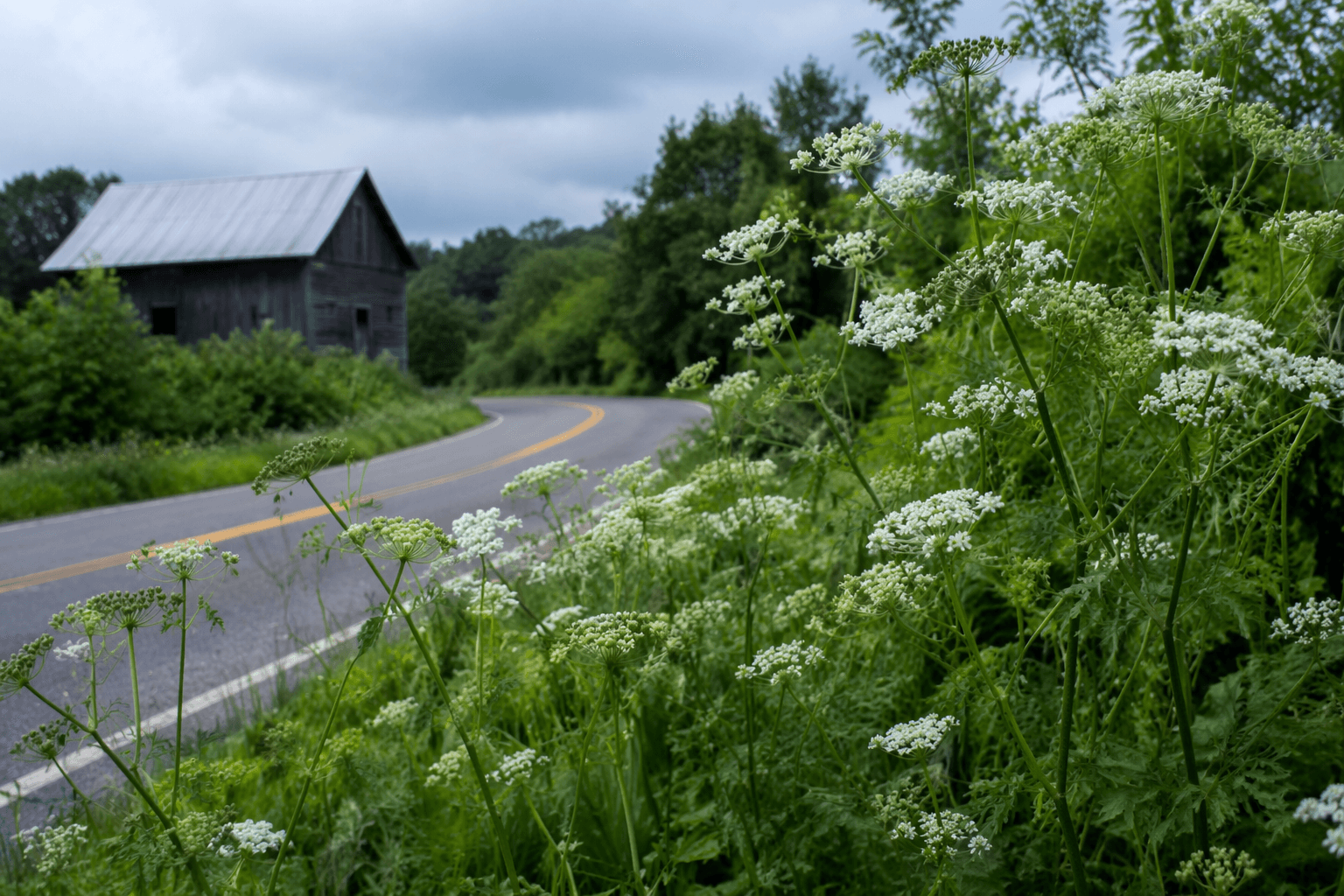
Poison hemlock is blooming across Vinton County, putting children, pets and livestock at risk wherever the plant has taken root along roadsides, creek banks, parks and front yards. Jessica Burns of Ohio State University Extension used the Farm and Forest column to warn that many infestations are already past the ideal control window, making this as much a public-safety problem as a farm problem.
Burns identified poison hemlock as the herbaceous biennial Conium maculatum and said it is often mistaken for wild carrot, also called Queen Anne’s lace, or for yarrow because the leaves and flowers can look similar at a glance. The fastest way to tell it apart is by the stem: poison hemlock has purple blotches and a hollow, smooth stem. Yarrow has ridges, while Queen Anne’s lace has a solid, hairy stem.
The plant’s danger goes well beyond a bad brush with weeds. Burns said all parts of poison hemlock are poisonous, including the seeds, and people do not have to eat it to be harmed. If it is mowed or weed-eated, toxins can become airborne and be inhaled, and sap can get into the eyes or open wounds. The warning matters in a county where poison hemlock can show up where children and pets spend time, and where livestock may graze or be fed contaminated forage.
Ohio law classifies poison hemlock as a prohibited noxious weed, which means management is required on both public and private property. Ohio State University Extension says the plant is toxic to people and to many animals, including cattle, sheep, goats, pigs and horses. The Ohio Department of Natural Resources says it likely occurs in every Ohio county and is most common in central and western Ohio, especially in disturbed places such as roadsides, ditches, abandoned pastures, fencerows, stream terraces, floodplains and meadows.
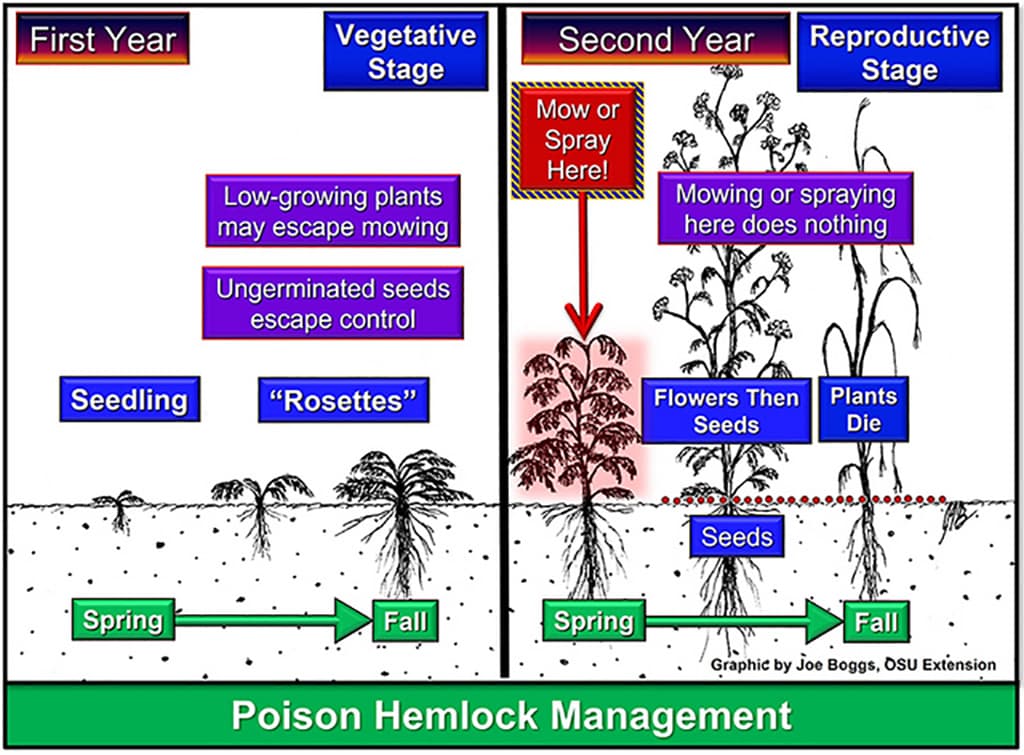
Burns said the best time to act is in spring of the plant’s second year, before the flowering stalk develops. Once poison hemlock is blooming, it is usually too late to stop seed production. Her advice was to map or mark infestations now, avoid disturbing them, and return next spring with protective gear and a plan. For already flowering patches, the safest move is to leave cutting and cleanup to trained help rather than turning one infestation into a wider exposure problem.
This article was produced by Prism’s automated news system from verified source data, official records, and press releases, then run through automated quality and moderation checks before publishing. The system is built and supervised by the people who set the standards it runs under. Read our full AI policy.
Know something we missed? Have a correction or additional information?
Submit a Tip