Vinton County tourism calendar spotlights festivals, trails, and township traditions
Vinton County is using its tourism calendar as a civic map, tying festivals, trails, and township traditions to local businesses. The payoff is countywide, not one-stop tourism.
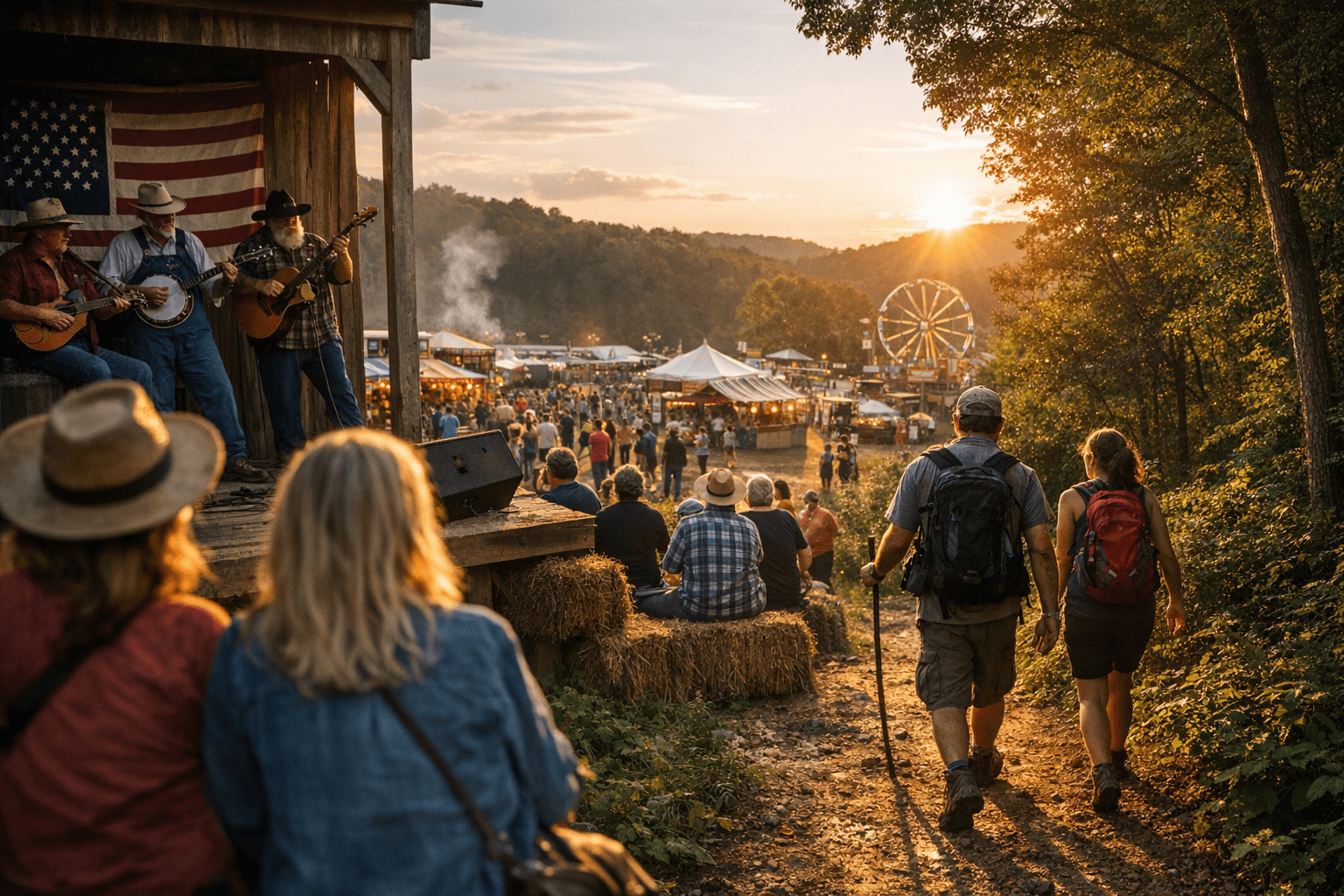
Vinton County’s tourism department, established in 2024, is treating the county calendar as a public service as much as a promotional tool. The official sites steer people to the same list of festivals, nature programs, and tourist activities, a setup that matters in a county with 12,800 people in the 2020 Census, an estimated 12,645 in July 2025, 412.4 square miles of land, a median household income of $55,336, and 142 employer establishments.
Tourism as county infrastructure
The Vinton County Convention and Visitors Bureau calls the county “Ohio’s last frontier of Appalachian wilderness” and says it is a private 501(c)(6) nonprofit. County marketing also frames Vinton County as part of the Hocking Hills region and says the goal is to connect attractions, events, and local businesses in one place. That is a practical mission in a rural county where the tourism page and the county website both point people back to the same events calendar for local happenings and important dates.
The county’s wooded hills and natural beauty make it one of Ohio’s most rural scenic areas, and that is not just a slogan. In a place with a small business base and a spread-out population, each festival weekend, trail visit, and township dinner can help support gas stations, diners, volunteer organizations, and seasonal traffic that does not always show up in a traditional downtown pattern. The county’s tourism pitch works because it is not built around one marquee attraction. It is built around a network.
Why the calendar matters
That network is the real story behind the calendar. Residents use it to keep track of what is happening across the county, while visitors use it to see how Vinton County fits together from one township to the next. The result is a tourism system that doubles as a community bulletin board, something especially useful in a county where small events carry outsized weight.
The county’s official material makes that plain by linking festivals, trails, and local businesses instead of treating them as separate lanes. A visitor who comes for one event can be nudged toward a nearby trail, a county park stop, or a historic site, which increases the chance of a second meal, an extra night, or a return trip. That is how a rural county stretches value out of turnout.
The trail network that keeps people moving
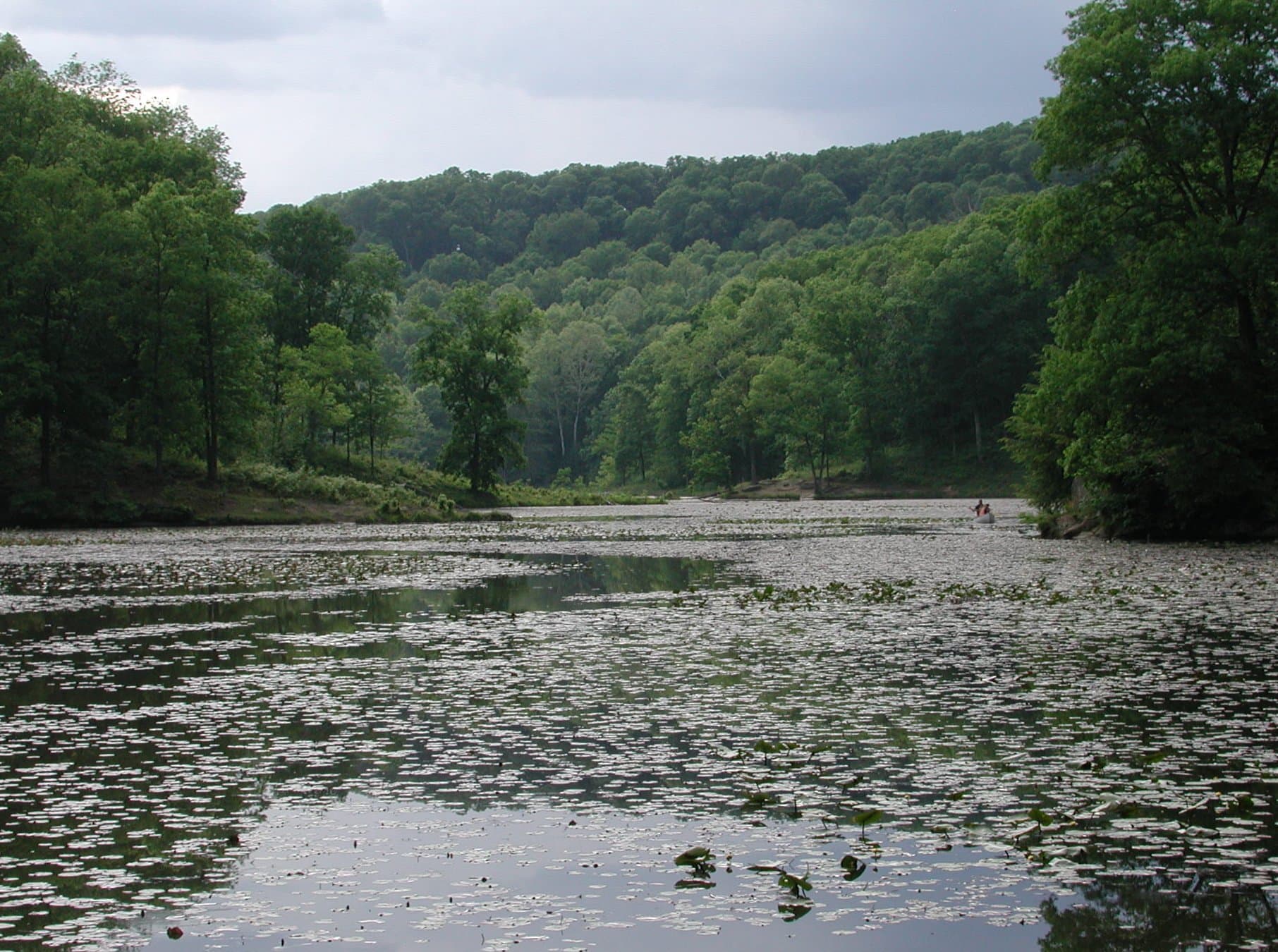
Vinton County’s outdoor assets give the calendar real staying power. The tourism site says the county is home to the second largest state forest in Ohio, and the Ohio Department of Natural Resources describes Lake Hope State Park as a 2,983-acre park with hiking, fishing, paddling, cabins, and a family campground. Surrounding it, Zaleski State Forest covers 26,824 acres, creating the kind of landscape that supports repeat visits rather than one-and-done stops.
The Moonville Rail Trail ties that landscape together. The Vinton County Convention and Visitors Bureau describes it as a 16-mile corridor through Zaleski State Forest, the communities of Zaleski and Mineral, and Lake Hope wetland areas. The trail includes two historic tunnels, and the Moonville Tunnel was added to the National Register of Historic Places in 2021. That combination of heritage and recreation matters because it turns a hike or bike ride into a reason to explore multiple parts of the county, not just one trailhead.
Lake Hope State Park adds another layer of draw because it gives families and day-trippers a place to stay longer. Cabin stays, camping, paddling, and fishing all increase the odds that someone will eat locally, stop for supplies, or build a return plan around a different season. In a county that markets rural beauty and hunting opportunities alongside scenic travel, that kind of rotation is part of the economic logic.
Wilkesville’s traditions carry the county’s identity
The strongest example of Vinton County’s township-based identity is Wilkesville, which the township page describes as a special place at the southern tip of the county. Wilkesville is not presented as a backdrop. It is a place with its own rhythm, built around an active volunteer fire department, an annual fish fry and car show, a Fourth of July parade, and a bean dinner that keeps a long civic tradition alive.
The Wilkesville Volunteer Fire Department’s Fish Fry and Car Show is held on the last Saturday in July. One listing placed it on July 26 from 11 a.m. to 4 p.m., and another described it as the 65th annual fish fry, which shows how deeply the event is woven into the local calendar. That matters because fire department fundraisers are not just social events in a rural county. They are part of the civic safety net and a visible sign that turnout still supports local institutions.
Wilkesville’s identity also reaches into the county’s covered-bridge heritage. The township page points to one of Vinton County’s covered bridges, and county tourism material says the county has five covered bridges in all. The Ponn Humpback Covered Bridge near Wilkesville connects that local landmark to a wider county story about preservation, back roads, and the kind of slow travel that encourages people to stop instead of pass through.
History, memory, and a public calendar that lasts
Wilkesville’s historical significance gives the town even more depth. A historical marker states that Confederate General John Hunt Morgan and his men arrived there on July 17, 1863, which anchors the township in one of the better-known wartime episodes in southern Ohio. The bean dinner tradition builds on that long memory. A 2023 report said the annual Vinton, Ohio Civil War Bean Dinner would mark 140 continuous years, and it described the event as a Civil War-linked tradition with a parade lineup before the beans are served.
That continuity is the point. Vinton County’s tourism identity is not a polished resort pitch, and it does not need to be. It is built on recurring, recognizable parts of county life: forest access, trail weekends, volunteer fire department fundraisers, Fourth of July parades, old bridges, and Civil War-era commemorations. The county’s modern tourism structure may be new, but the substance behind it is familiar and durable.
For a county of this size, that durability matters. It keeps visitors moving through more than one township, helps local businesses catch the spillover from trail traffic and festival days, and gives residents a shared calendar that is about more than entertainment. In Vinton County, the tourism calendar is not a side feature. It is the public record of how the county presents itself, and how it keeps its places, people, and traditions connected.
This article was produced by Prism’s automated news system from verified source data, official records, and press releases, then run through automated quality and moderation checks before publishing. The system is built and supervised by the people who set the standards it runs under. Read our full AI policy.
Know something we missed? Have a correction or additional information?
Submit a Tip