Vinton Furnace State Forest stands out for rare wildlife, research
Vinton Furnace is a working forest near McArthur, not just a scenic one: it holds Ohio's biggest known bobcat population and a research legacy shaping oak restoration.

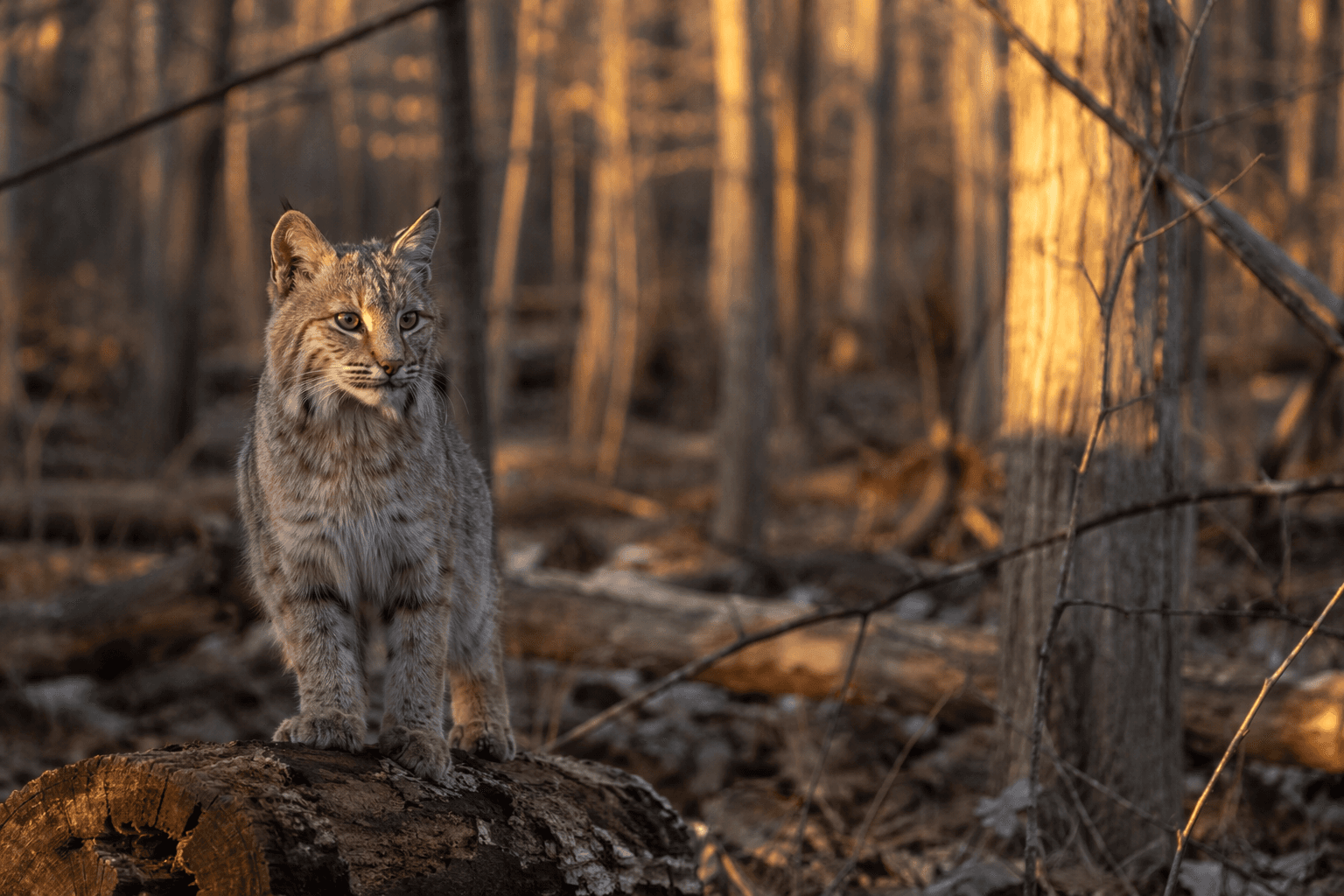
Vinton Furnace State Forest looks like a place for hiking, hunting and quiet woods, but its bigger story is scientific. The 12,089-acre tract in Vinton County near McArthur is where Ohio’s largest known bobcat population shares space with timber rattlesnakes, cerulean warblers and rare plant species, all inside a landscape the Ohio Department of Natural Resources describes as one of the most biologically diverse ecosystems in the United States.
That mix of wildlife is not an accident or a backdrop. It reflects a forest that has been managed, measured and studied for more than 50 years, with data from the site cited in hundreds of scholarly papers on forest ecology, forest management and wildlife. For southeastern Ohio, that makes Vinton Furnace less a static preserve than an active working forest, where the future of oak habitat, game cover and forest health is being shaped in real time.
A research forest with deep roots
The modern forest began in 1952 as the Vinton Furnace Experimental Forest. That year, the Baker Wood Preserving Company set aside 486 hectares for the USDA Forest Service’s Central States Forest Experiment Station in Columbus, and the area served as a field laboratory for a Forest Service research unit based in Athens. The arrangement later continued under Mead Corporation and was formalized in 1965, keeping the land tied to forest science rather than conventional development.
In 2010, the Ohio Department of Natural Resources purchased the property and expanded the dedicated research zone to 2,882 acres. That change locked in the site’s unusual dual identity: state forest land that also functions as a long-running outdoor lab. The result is a place where the history of timber management, wildlife studies and fire research is written into the landscape itself.
What scientists are studying there now
Current Forest Service research at Vinton Furnace focuses on restoring mixed-oak ecosystems, using shelterwood treatments and prescribed fire. Those are practical forestry tools, but they matter far beyond the research plots. Oak forests support wildlife, shape hunting habitat and help sustain the timber base that remains important to Ohio’s wood industry.
The same research program also tracks rare species and wildlife management concerns, including Bartley’s reed bent grass, cerulean warbler, Indiana bat and timber rattlesnake. That list shows how closely the forest ties together habitat and management. A prescribed burn or thinning treatment is never just about tree growth here; it can affect nesting birds, plant survival, den sites and the broader balance of a highly diverse forest.
The University of Dayton’s Deciduous Forest Dynamics Archive adds another layer to that history. It holds data from more than 60 white oak trees from Vinton Furnace Experimental Forest, including samples from Arch Rock and Watch Rock. Those records include fire-scar and growth-ring information from trees cut in 2005 and remeasured in 2022, giving researchers a long view of how oak forests respond to disturbance over time. That archive turns the forest into a time capsule for anyone trying to understand what southeastern Ohio woods were, and what they are becoming.
Why the work is visible on the ground
What makes Vinton Furnace unusual is that the management is not hidden. Mixed-oak restoration, shelterwood cuts and prescribed fire leave visible signs in the woods, and those signs are part of the story. The forest is being actively shaped to favor oak regeneration and to keep the habitat conditions needed by the species that depend on it.
That matters for hunters as much as for biologists. Oak forests produce mast, structure cover and support the browse and edge conditions that many wildlife species use. When those forests are allowed to shift away from oak, the whole system changes. At Vinton Furnace, the restoration work is meant to keep that system functioning, not freeze it in place.
The forest also matters because ODNR identifies it as one of the most biologically diverse ecosystems in the United States. That level of diversity means management choices carry broad effects. A decision aimed at one species can influence another, and the presence of bobcats, rattlesnakes and cerulean warblers shows how much is riding on the same acres.
What to know before visiting
Vinton Furnace State Forest is open to visitors daily from 6 a.m. to 11 p.m., making it accessible for early scouting, daylight hikes and evening trips. Hunters Camp is different: it is open only during specific hunting-season windows, and camping is limited to that area. Those rules matter because the forest is not set up as a free-for-all recreation site; it is a managed landscape with specific uses tied to season and location.
That structure fits the rest of the forest’s identity. It is not just a place to walk through on the way to something else. It is a place where visitors can see a working forest in action, with research, wildlife and timber management overlapping on the same ground. For local residents, that means the forest offers more than scenery. It offers a look at how Ohio is trying to keep its oak woods functional.
Part of a larger protected landscape
Vinton Furnace also sits inside a much larger forest block that gives it regional importance. Vinton County tourism materials describe Vinton Furnace and the Raccoon Ecological Management Area together as the largest remaining intact block of forest in Ohio still available for permanent protection. Adaptive Silviculture for Climate Change materials add another measure of scale: the 2,882-acre research zone is surrounded by 9,393 acres of state forest and a 3,547-acre wildlife management area.
That broader setting helps explain why the forest matters beyond its own boundaries. The research plots are not isolated. They are part of a larger wooded landscape that still has room for habitat, hunting, science and long-term forest planning. In southeastern Ohio, where intact forest is increasingly valuable, Vinton Furnace stands out because it is being used to answer a question that reaches far past Vinton County: how to keep oak forests, and the wildlife they support, on the landscape for the long term.
This article was produced by Prism’s automated news system from verified source data, official records, and press releases, then run through automated quality and moderation checks before publishing. The system is built and supervised by the people who set the standards it runs under. Read our full AI policy.
Know something we missed? Have a correction or additional information?
Submit a Tip