Zaleski Masonic Lodge still stands as village landmark in Vinton County
Zaleski’s old Masonic lodge still anchors Commercial Street, a reminder that the village once centered its civic life in one tall, shared hall.
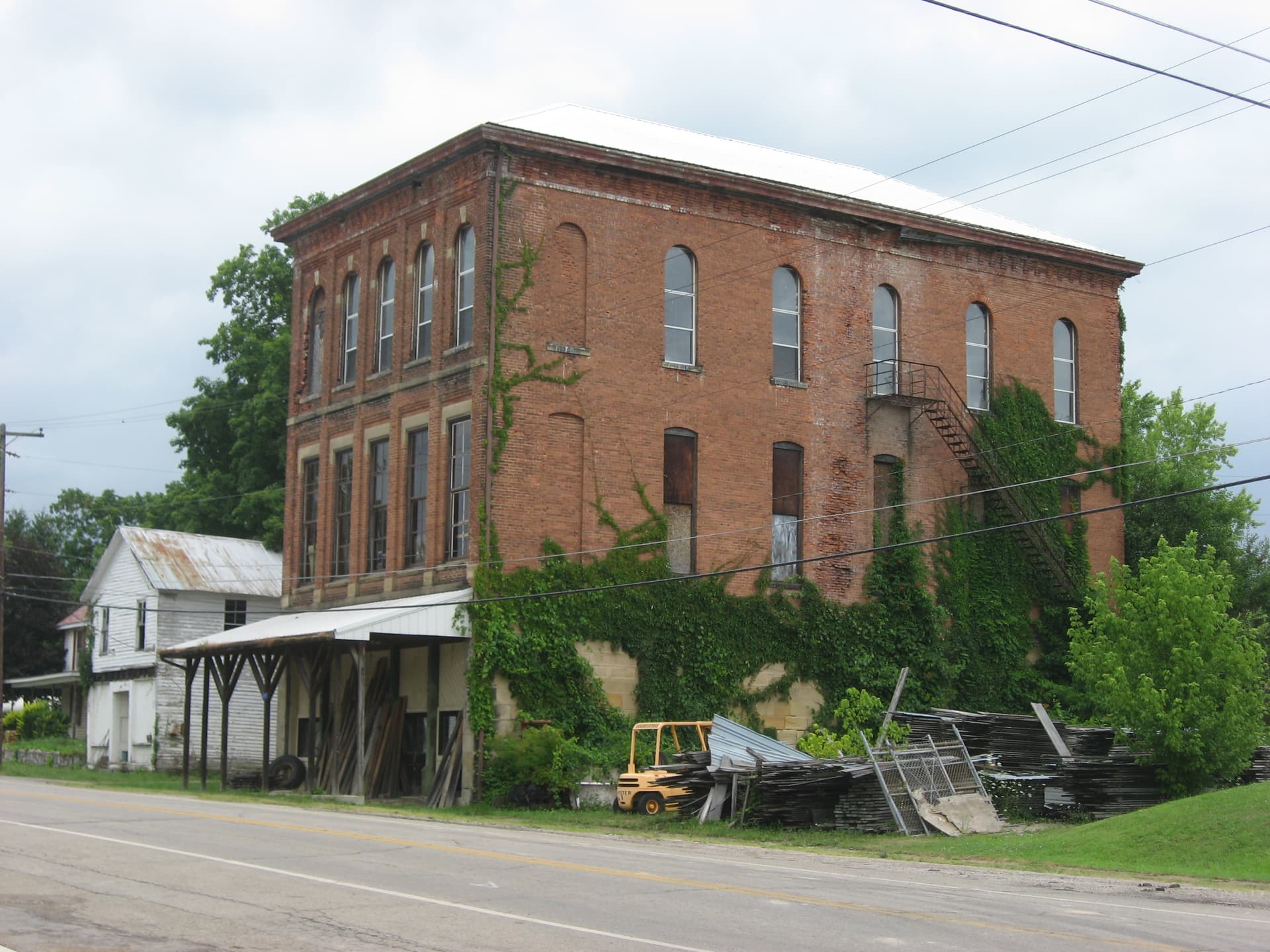
Built in 1884 and still standing in the center of Zaleski, the old Masonic Lodge No. 472 carries more than one name and more than one chapter of village life. At 18 Commercial Street in Vinton County, the structure was once the tallest building in the county, and its profile still makes it one of the clearest markers of how Zaleski grew around shared institutions rather than around sprawl.
A landmark at the center of village life
The building’s location is part of its staying power. On Commercial Street, in the middle of Zaleski, it sits where people have long been able to see it, recognize it, and use it as a point of reference. The Ohio History Connection identifies it as Masonic Lodge No. 472, and the Vinton County Convention & Visitors Bureau lists it as the Fischer Building, Former Masonic Lodge No. 472, showing that the place still has a public identity even as its name has changed over time.
That visibility matters in a small Appalachian village. In communities like Zaleski, a prominent building did not just hold meetings or store memories. It helped give the town a sense of scale, permanence, and self-definition. The lodge’s continuing presence keeps that older civic pattern visible on a street where a less durable building would have disappeared long ago.
From lodge hall to Fischer Building
The building was erected by the Masons in 1884. That fact alone places it in an era when lodge halls, lyceums, and other membership-based gathering places were central to local life in many Ohio towns. In 1890, the structure was deeded to the Zaleski Lyceum Company, a transfer that shows how the building served more than one civic purpose after its original lodge use.
Over time, the property passed through many hands, according to the Ohio History Connection’s account. It was later purchased by Ernest Fischer, which helps explain why the building is also known today as the Fischer Building. That dual identity, Masonic Lodge No. 472 and Fischer Building, reflects a common pattern in small towns: the name of a structure changes as ownership changes, but the building itself keeps carrying the memory of earlier uses.
Why the lodge mattered then
When the Masons built the lodge in 1884, they were creating more than a meeting hall. They were adding one of the county’s most visible structures at a time when height itself signaled importance. Being the tallest building in Vinton County that year gave the lodge a symbolic role as well as a practical one. It stood out physically, which made it stand out socially.
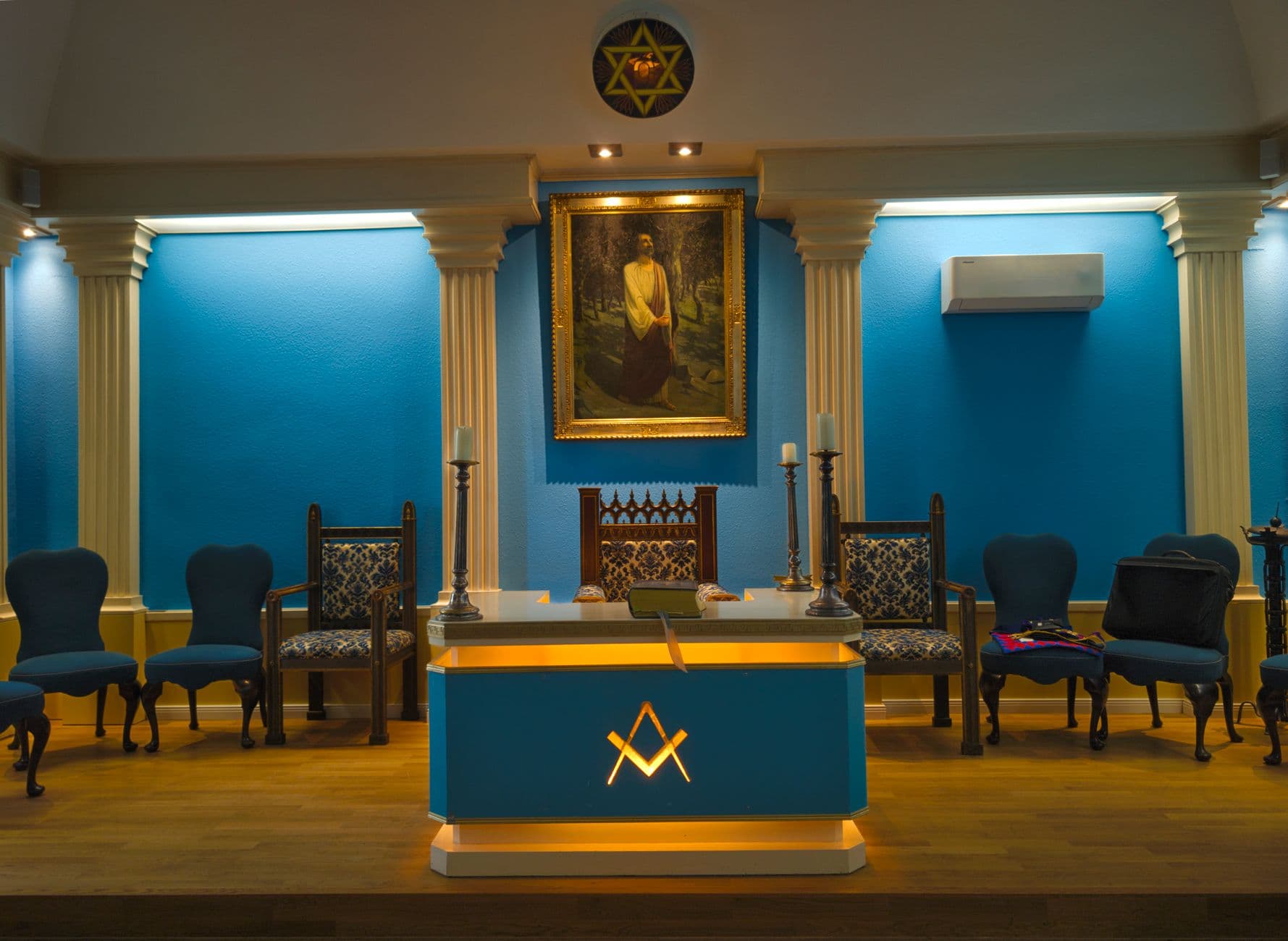
That kind of prominence was especially meaningful in a village such as Zaleski. Lodge halls and lyceums often served as places where people met, organized, debated, and built community identity. In a county shaped by small settlements and close-knit institutions, a building like this could function as a civic marker, not just a private one. Its size and placement showed that Zaleski had enough local energy to support a shared building worth noticing.
Why it still matters now
The lodge’s survival is notable because so many small-town institutions have faded, been demolished, or lost their central place in daily life. This one remains a visible landmark in the center of Zaleski, which means it continues to shape how the village looks and how people orient themselves within it. Even without serving the same lodge functions it once did, the building still anchors the street and keeps a piece of the village’s older civic life in view.
Its ongoing presence also connects local identity to county memory. The Vinton County Convention & Visitors Bureau’s use of the Fischer Building name, alongside its former Masonic Lodge designation, places the structure within the county’s public-facing heritage story. That matters in a place where history is often carried by the built landscape rather than by large institutions or museum complexes.
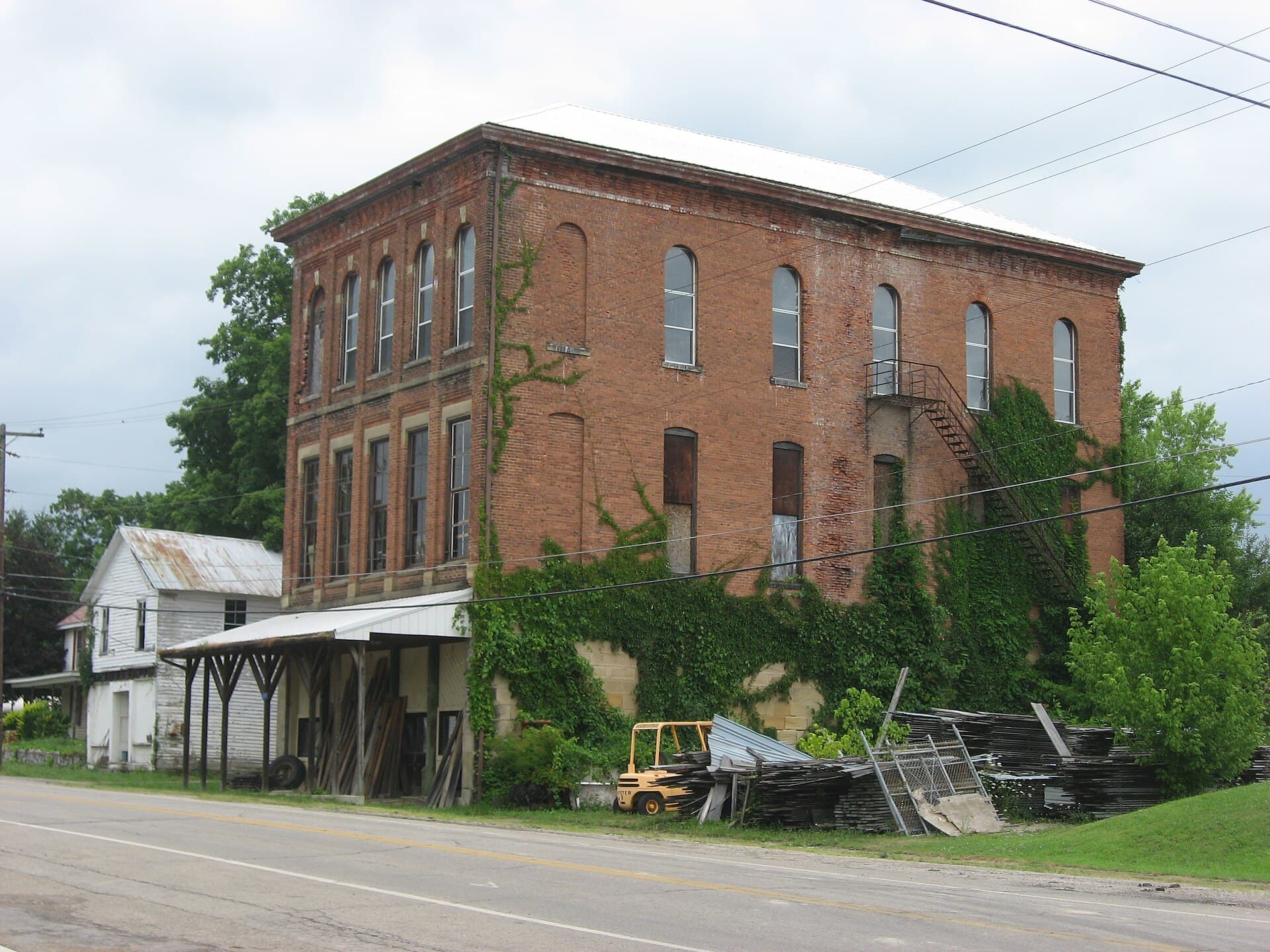
A lens on civic continuity in Zaleski
The lodge tells a broader story about how Zaleski has endured. A building can survive ownership changes, renamed uses, and shifts in the village economy when it remains useful as a landmark and meaningful as a shared reference point. This one does both. It still tells residents and visitors where they are, while also pointing back to a time when civic identity was expressed through lodge halls, lyceums, and other communal spaces.
That is why the building’s importance goes beyond nostalgia. Its 1884 height record, its construction by the Masons, its 1890 transfer to the Zaleski Lyceum Company, and its later sale to Ernest Fischer all document a structure that kept adapting while staying rooted in one place. In the center of Zaleski, at 18 Commercial Street, it remains a physical reminder that village history is often preserved not in abstract memory, but in the buildings that keep standing.
This article was produced by Prism’s automated news system from verified source data, official records, and press releases, then run through automated quality and moderation checks before publishing. The system is built and supervised by the people who set the standards it runs under. Read our full AI policy.
Did this article answer your question?