Candidates Set for 2026 Races, Wake County Faces Key Contests
Filing for North Carolina ballots closed on December 19, 2025, and thousands of candidates entered contests from the U.S. Senate to local offices. For Wake County residents this sets up a March 3, 2026 primary that will determine many contested nominees, shaping representation on issues that affect schools, transportation, and local services.
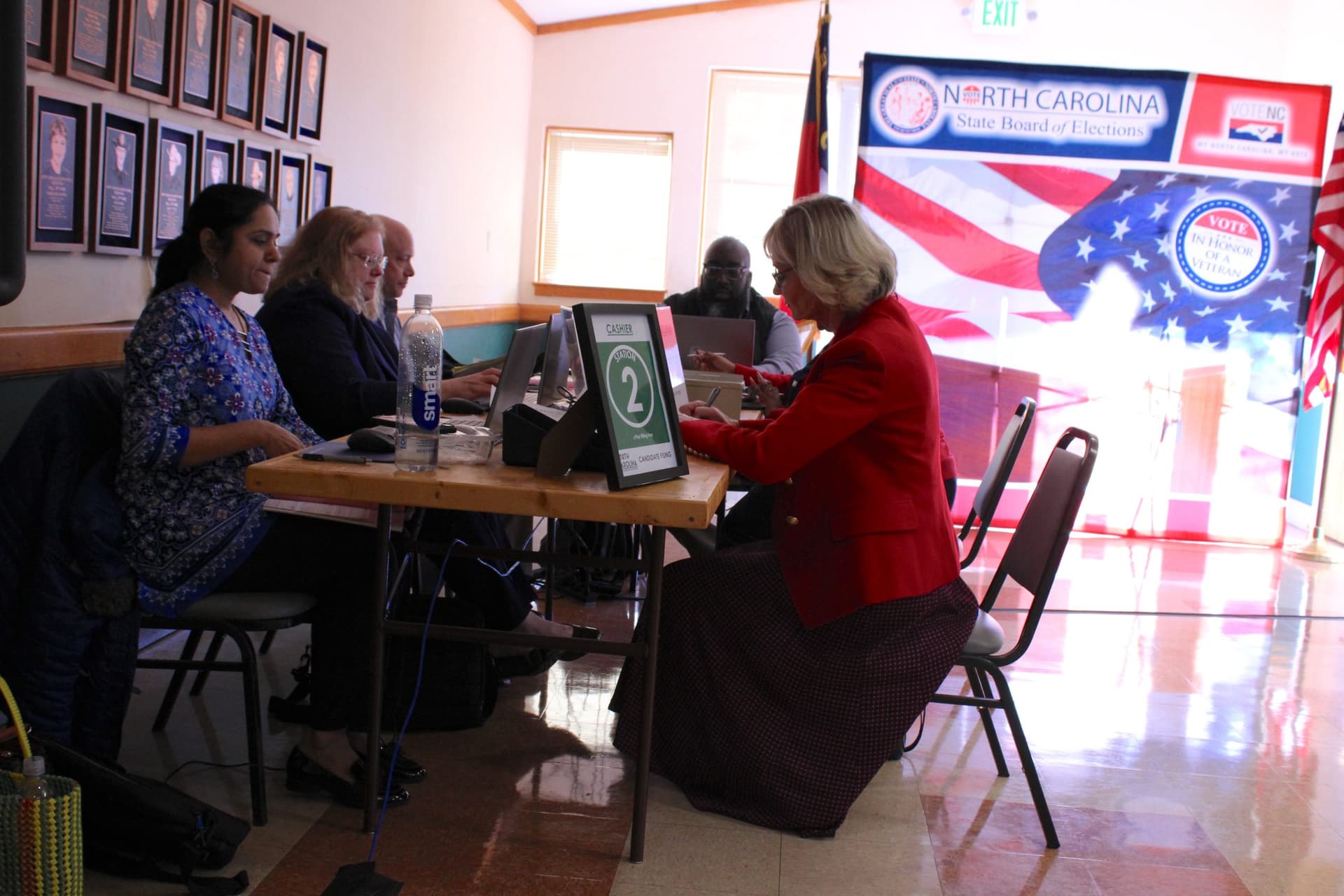
Filing closed on December 19, 2025, locking in candidates for a wide array of contests across North Carolina including the U.S. Senate, the U.S. House of Representatives, the state legislature, state courts and many county and municipal offices. Over the past three weeks thousands of North Carolinians formally filed to run, producing competitive slates in races that will be decided in a March 3, 2026 primary and a November 3, 2026 general election.
The scope of the field underlines how contested next year will be. Nearly half of state legislative races and all but two congressional contests involve at least one primary contest, meaning party voters will play a decisive role in shaping the November ballot. Several of the competitive primaries include seats that cover parts of Wake County, from state House and state Senate districts to congressional districts that overlap municipal boundaries and suburbs.
For Wake County voters the immediate consequence is a potentially crowded March ballot with multiple choices for Republican and Democratic voters. That can depress or drive turnout depending on how campaigns mobilize precincts across Raleigh, Cary, Apex and other Wake County communities. The make up of nominees will affect local priorities, including school funding decisions made at the state level, infrastructure and transit funding, and eligibility and administration of state programs that touch county services.
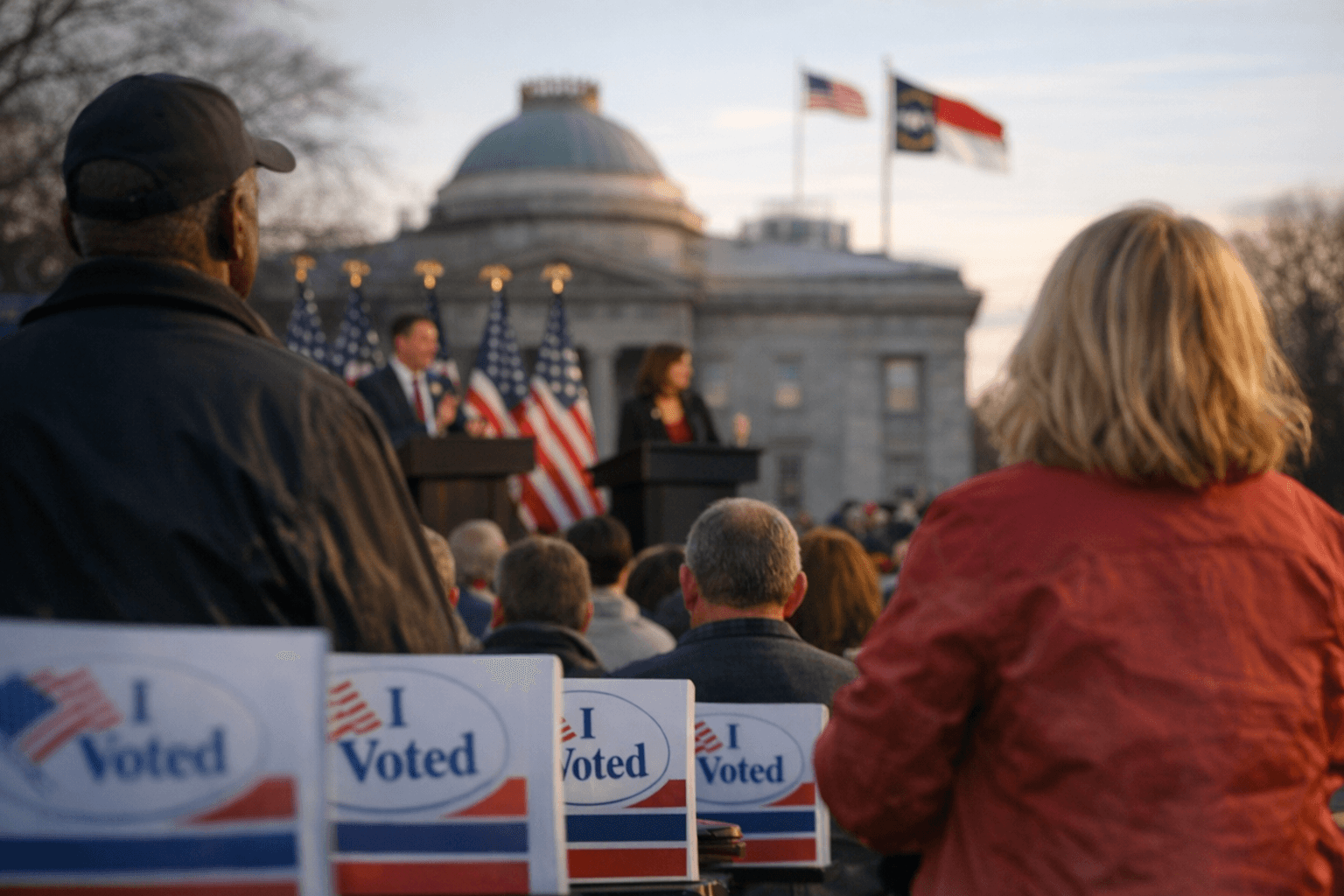
Statewide implications are significant as well. Control of legislative chambers will influence redistricting, budget priorities and oversight of state agencies, while the U.S. House and Senate races will factor into national balance of power. Wake County, as one of North Carolina’s most populous counties, will be a critical terrain for candidates seeking statewide totals and media attention.
With the filing period concluded voters and local officials now shift focus to candidate forums, early voting plans and party primaries. The calendar sets a clear timeline for decisions that will determine who represents Wake County at the state and federal level, and how local priorities will be advanced in the next legislative and congressional cycles.
Know something we missed? Have a correction or additional information?
Submit a Tip