Duke Energy urges Carolinas customers to reduce energy use amid extreme cold
Duke Energy asked Carolinas customers to cut electricity use early Monday to ease grid strain from a deep cold snap, a move that helped avert added stress for Wake County households.
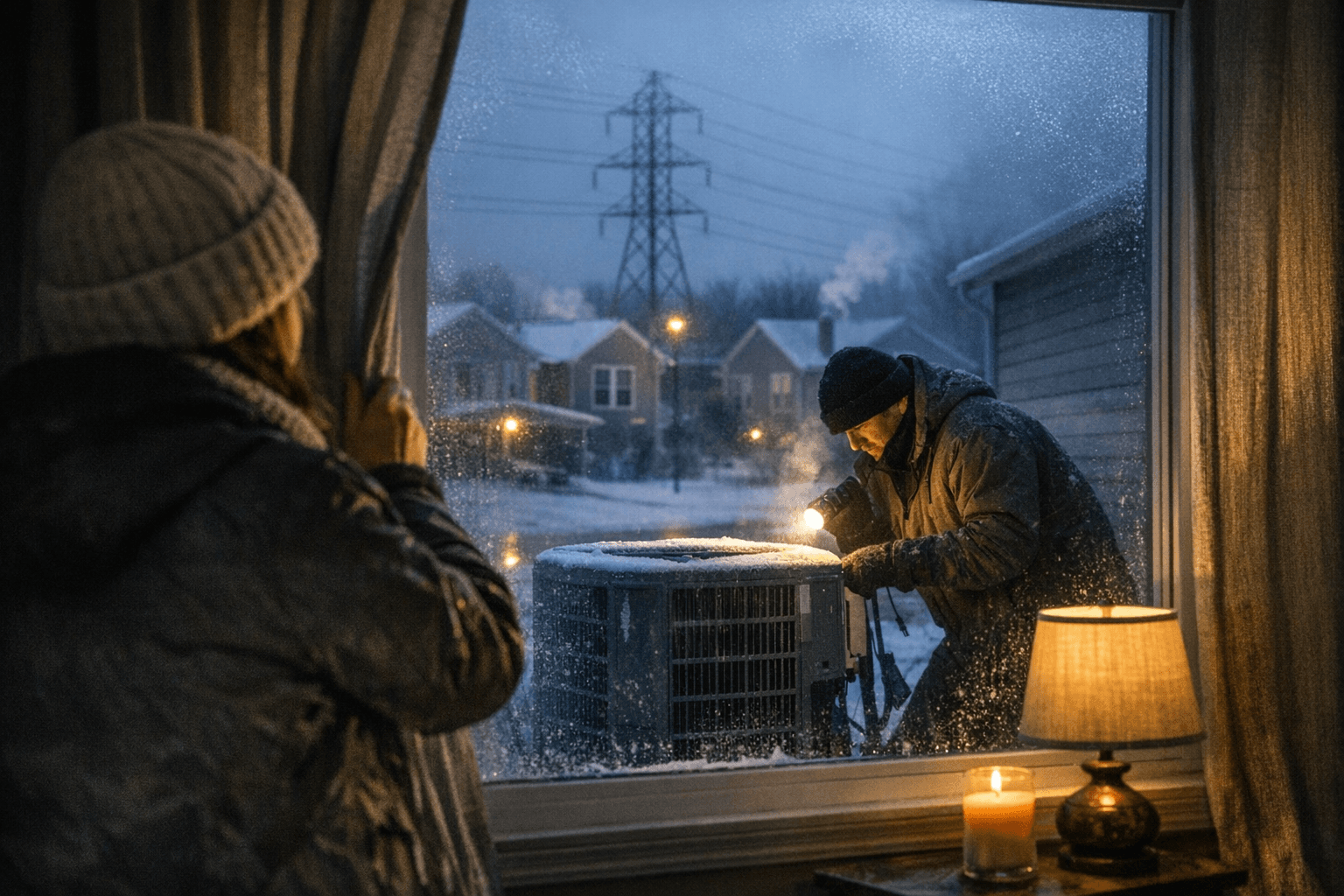
Duke Energy asked customers across the Carolinas to voluntarily reduce electricity use from 4-10 a.m. on Monday, Feb. 2, after an arctic blast pushed temperatures 10-20 degrees below normal and drove unusually high demand across the East Coast. The advisory, issued Feb. 1, aimed to lessen strain on the electric grid and reduce the potential of temporary power outages during one of the coldest mornings of the season.
The company said it served about 4.7 million electric customers in the Carolinas, including roughly 3.8 million in North Carolina and nearly 860,000 in South Carolina. Company-wide statistics cited in Duke Energy materials note an 8.6 million-customer electric footprint across six states and 55,100 megawatts of owned capacity. Duke Energy is a Fortune 150 firm headquartered in Charlotte, N.C.
Duke’s advisory recommended concrete steps for households and businesses. Customers were urged to lower thermostats to the lowest comfortable setting, avoid running major appliances such as washers, dryers and dishwashers during the 4-10 a.m. window, and turn off unnecessary lights and plug-ins. Electric vehicle owners were specifically asked to shift charging to midday when system demand is typically lower.
Gerald Wilson, Duke Energy vice president of grid operations, framed the ask in practical terms: “We know it's inconvenient to reduce electric use, but it makes a real difference.” Duke said it also was taking operational steps, including maximizing generation, purchasing power and coordinating with large commercial and industrial customers who participate in demand response programs.
A follow-up company release on Feb. 2 thanked customers for heeding the request: “Duke Energy thanks its customers across the Carolinas for reducing their electricity use on Monday morning as extreme cold pushed demand for power higher than normal. Customers' actions helped lessen strain on the electric grid and supported reliable service during one of the coldest mornings of the season.”
For Wake County residents, the episode was a reminder that individual behavior can affect system reliability during tight conditions. Practical actions such as lowering thermostats a few degrees, delaying laundry loads and switching off nonessential devices can reduce short-term stress on the grid and limit the chance of temporary outages.
The event also highlights broader policy and market implications. Utilities are relying on a mix of near-term measures like purchased power and demand response while pressing longer-term investments described in Duke’s Carolinas Resource Plan. That plan prioritizes grid upgrades and a diversified generation mix that includes natural gas, nuclear, renewables and energy storage to maintain reliability and manage customer costs over the next 15 years.
Duke encouraged customers to adopt ongoing energy-saving habits and pointed to its Seasonal Savings page for low- and no-cost tips, flexible payment options, additional assistance and energy management tools. As winter volatility continues, those steps and planned infrastructure investments will shape how reliably local homes and businesses weather future cold snaps.
This article was produced by Prism’s automated news system from verified source data, official records, and press releases, then run through automated quality and moderation checks before publishing. The system is built and supervised by the people who set the standards it runs under. Read our full AI policy.
Did this article answer your question?

