EEOC sues Garner-based Butterball over cancer-treatment accommodation denial
A Garner food processor is facing a federal lawsuit over a worker’s breast-cancer leave, a case that spotlights how attendance policies collide with cancer treatment.
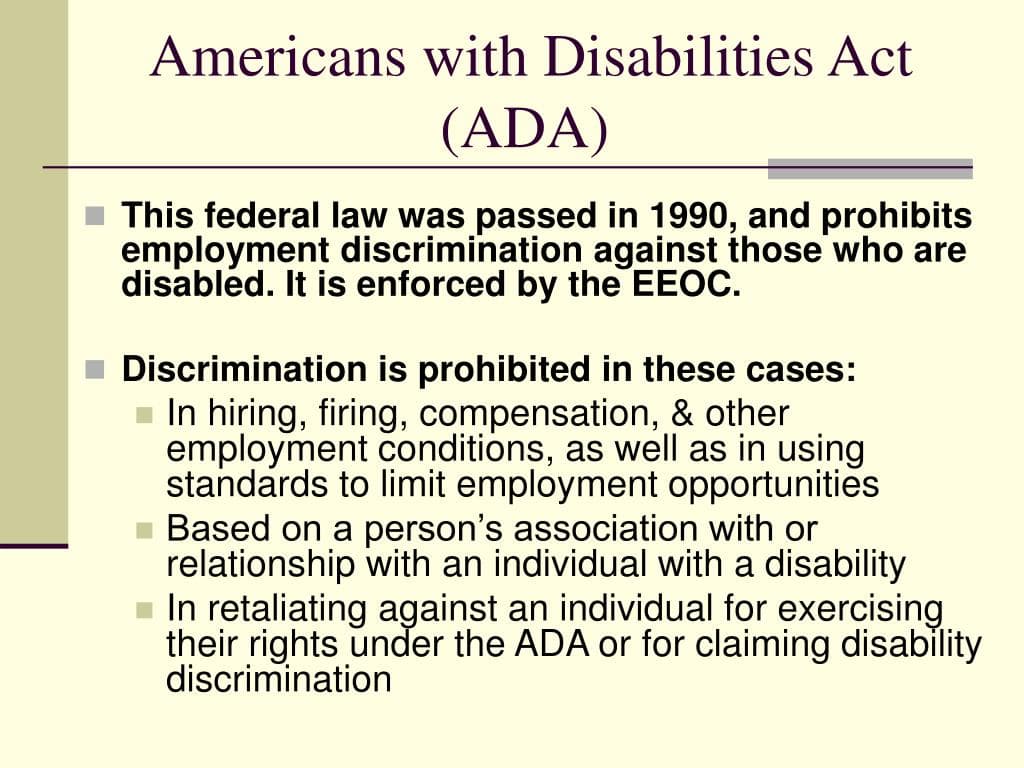
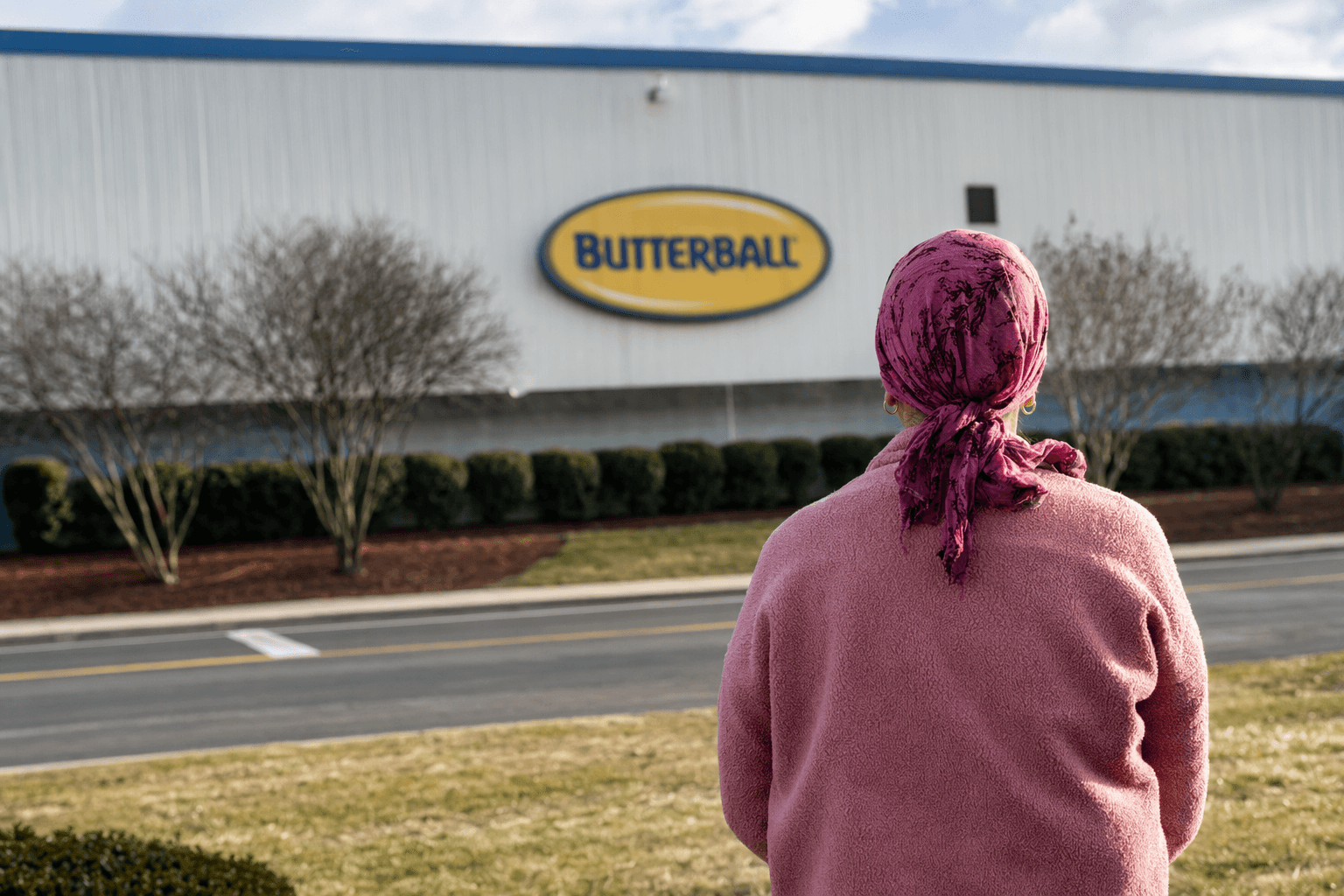
A federal lawsuit against Butterball has put a familiar Wake County employer at the center of a workplace-rights fight with real consequences for workers facing serious illness. The U.S. Equal Employment Opportunity Commission said the Garner-based turkey processor violated the Americans with Disabilities Act when it refused to accommodate a long-term employee undergoing breast-cancer treatment and then fired her.
The EEOC filed the case, EEOC v. Butterball, LLC, in the U.S. District Court for the Eastern District of North Carolina under Case No. 5:26-cv-00202. In its announcement dated March 31, 2026, the agency said the worker told Butterball she had breast cancer and needed intermittent leave to receive chemotherapy and recover from treatment. The company, based at 1 Butterball Lane in Garner and also operating in Mount Olive, referred her to a third-party benefits administrator, but the leave was never granted, according to the EEOC.
The complaint says the employee then accumulated attendance points for absences tied to cancer treatment and was ultimately fired for violating the company’s attendance policy. That sequence is what makes the case so important for workers across Wake County and nearby communities: federal disability law does not stop at a diagnosis, and attendance systems cannot be applied in a way that ignores a request for medically necessary leave. Under the ADA, covered employers must provide reasonable accommodations to qualified employees with disabilities unless doing so would create an undue hardship.
For workers in North Carolina, the practical lesson is straightforward. A serious illness can trigger legal protections when it affects the ability to work full schedules, and a request for time off for chemotherapy, recovery, or other treatment can be part of a protected accommodation process. When an employer sends a worker to a benefits vendor or third-party administrator, the legal duty does not disappear. The EEOC’s allegation is that Butterball’s process failed at exactly that point.
Butterball’s size gives the case added weight in the region. Corporate materials and Seaboard Corporation’s profile describe Butterball as one of the largest producers of turkey products in the United States, producing about 1 billion pounds a year and serving foodservice and retail customers for more than 60 years. The company also has a public record in North Carolina safety programs: its Mount Olive facility earned Carolina Star recertification from the state Department of Labor on March 22, 2022.
If the EEOC wins, the case could force changes in how Butterball handles leave requests, attendance points and accommodation reviews. For employees balancing cancer treatment with a paycheck, the lawsuit is a reminder that the fight for care often starts at work.
This article was produced by Prism’s automated news system from verified source data, official records, and press releases, then run through automated quality and moderation checks before publishing. The system is built and supervised by the people who set the standards it runs under. Read our full AI policy.
Know something we missed? Have a correction or additional information?
Submit a Tip