Extreme drought grips Wake County, little rain expected this week
Wake County is still deep in drought, with Falls Lake below its trigger line, Stage 1 restrictions in place, and little rain expected to bring relief.
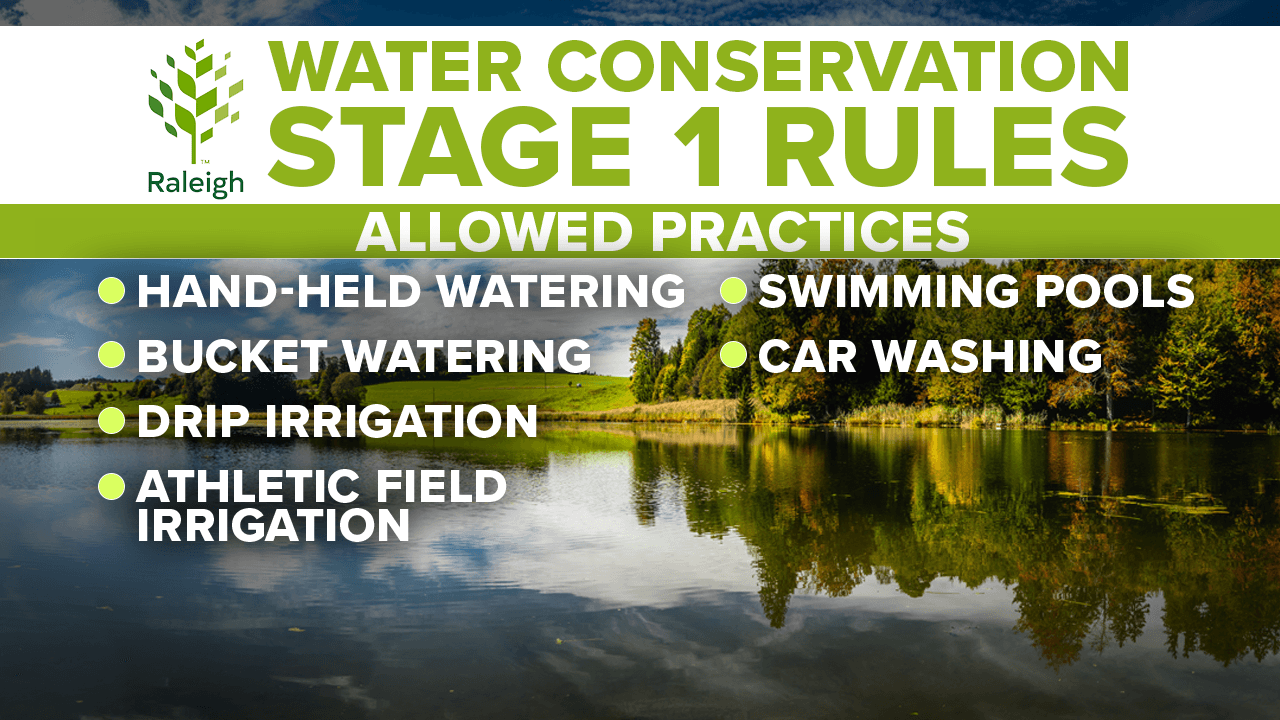
Wake County lawns, gardens and small streams are still taking the first hit from a drought that has tightened its grip across the county, and little rain is expected to ease the pressure over the next seven days. Raleigh Water has kept Stage 1 restrictions in place since April 20, while the National Weather Service in Raleigh says the dry pattern is likely to continue and could worsen conditions already straining Falls Lake and the watersheds that feed it.
Raleigh’s drought status page, updated June 2, says central North Carolina is in a severe drought that includes the watersheds feeding Falls Lake and Swift Creek. Raleigh relies on Falls Lake for its primary drinking water source and says it has access to about 58% of the lake’s water supply pool. The city reports that the current water supply pool is 72% remaining, with a trigger level at 85%. Officials have said the lake would need to reach about 95% capacity in spring before water-use restrictions could be rolled back.
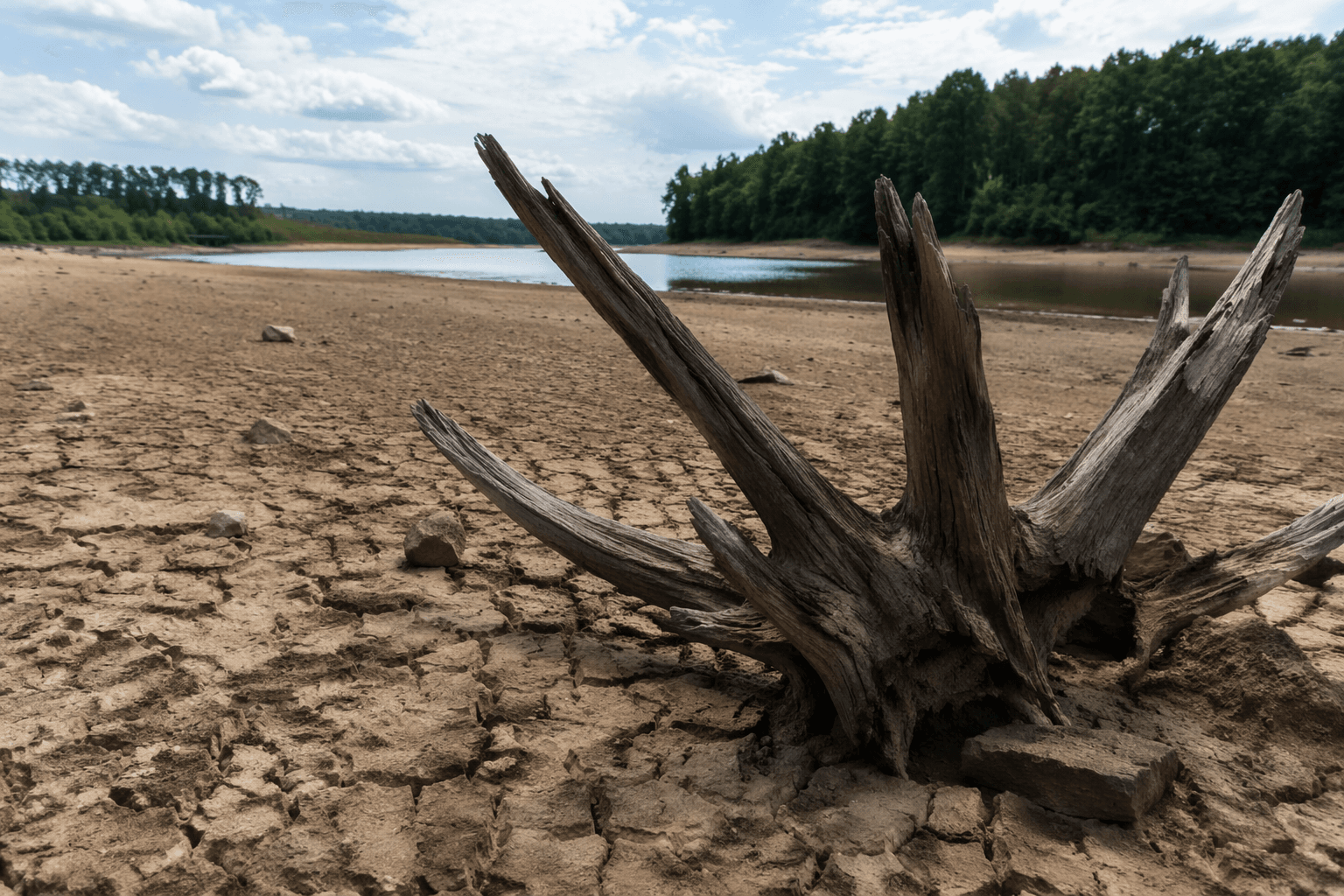
The city says its drought planning is based on more than 100 years of data and the natural fill-and-drawdown cycle of Falls Lake. Raleigh also says an additional 5.6 billion gallons of water were added to the Falls Lake water supply pool in 2019, making today’s drought triggers more conservative than they were before.
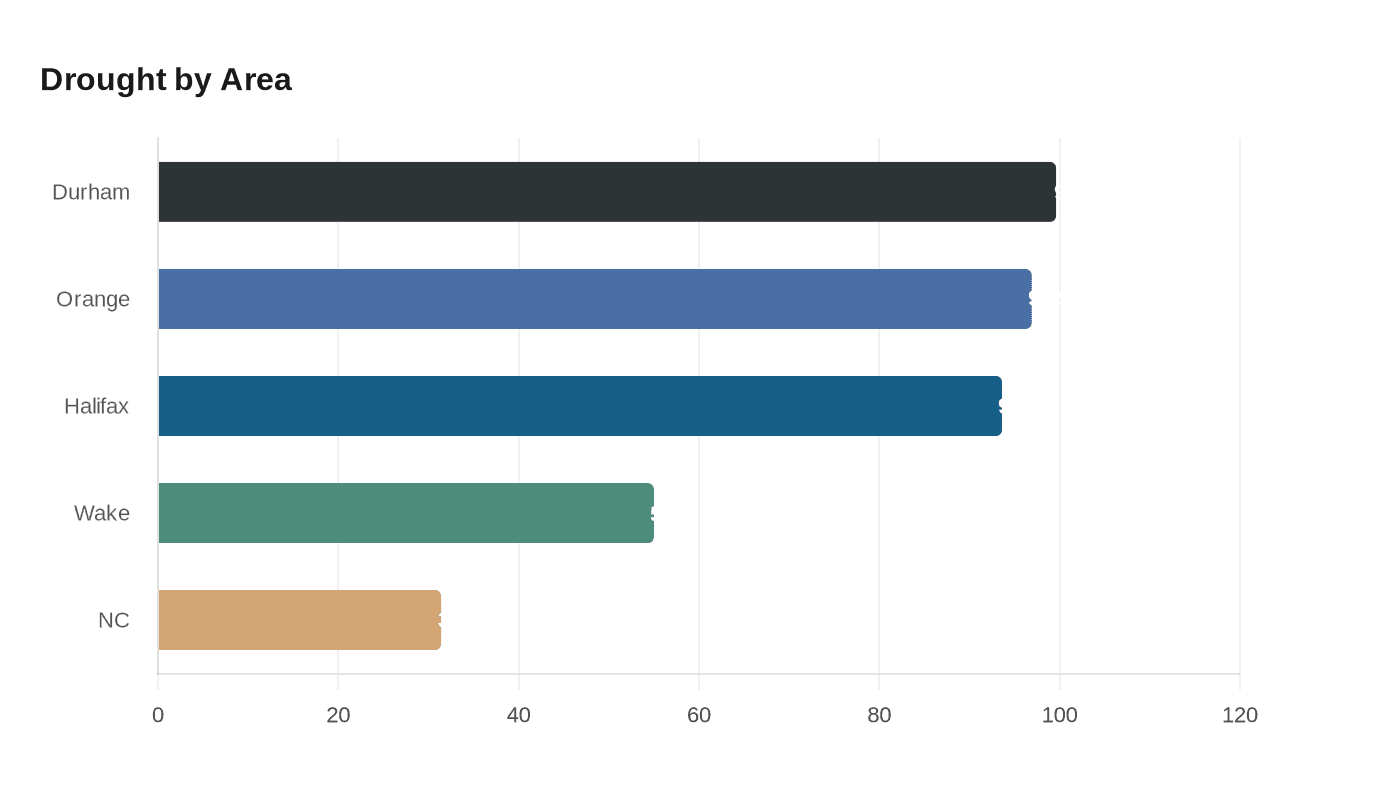
Statewide, the June 2 U.S. Drought Monitor showed 31.4% of North Carolina in D3 extreme drought, down from 36.6% the week before. Wake County did not improve week to week and remained 55% in D3 extreme drought, with the rest in D2 severe drought. The North Carolina Drought Management Advisory Council said D3 areas should follow Water Shortage Response Plans, and the state’s default water-use reduction measures for extreme drought have been in effect since March 19, 2007.
Nearby counties remain in even sharper distress. Durham County was 99.6% in extreme drought, Orange County 96.9%, and Halifax County 93.6%. A reading last week put Falls Lake at 74% capacity, about four feet below normal for this time of year, a sign the region has little buffer if the dry stretch continues.
On May 14, Fuquay-Varina farmer John Burt said the spring was unlike anything he had seen in 25 to 30 years of farming hay and raising beef cattle. Half his fields were killed, he said, and the rest were producing only about half of normal output. For Wake County, the benchmark to watch is clear: if rain stays scarce and Falls Lake keeps slipping, the drought will move from a warning on the map to more visible limits on daily water use.
This article was produced by Prism’s automated news system from verified source data, official records, and press releases, then run through automated quality and moderation checks before publishing. The system is built and supervised by the people who set the standards it runs under. Read our full AI policy.
Know something we missed? Have a correction or additional information?
Submit a Tip