Falls Lake levels drop, raising boating hazards and water-supply concerns
Exposed shoreline and shallow-water hazards are spreading at Falls Lake, while Raleigh’s primary drinking source has slipped to 75% of its supply pool.
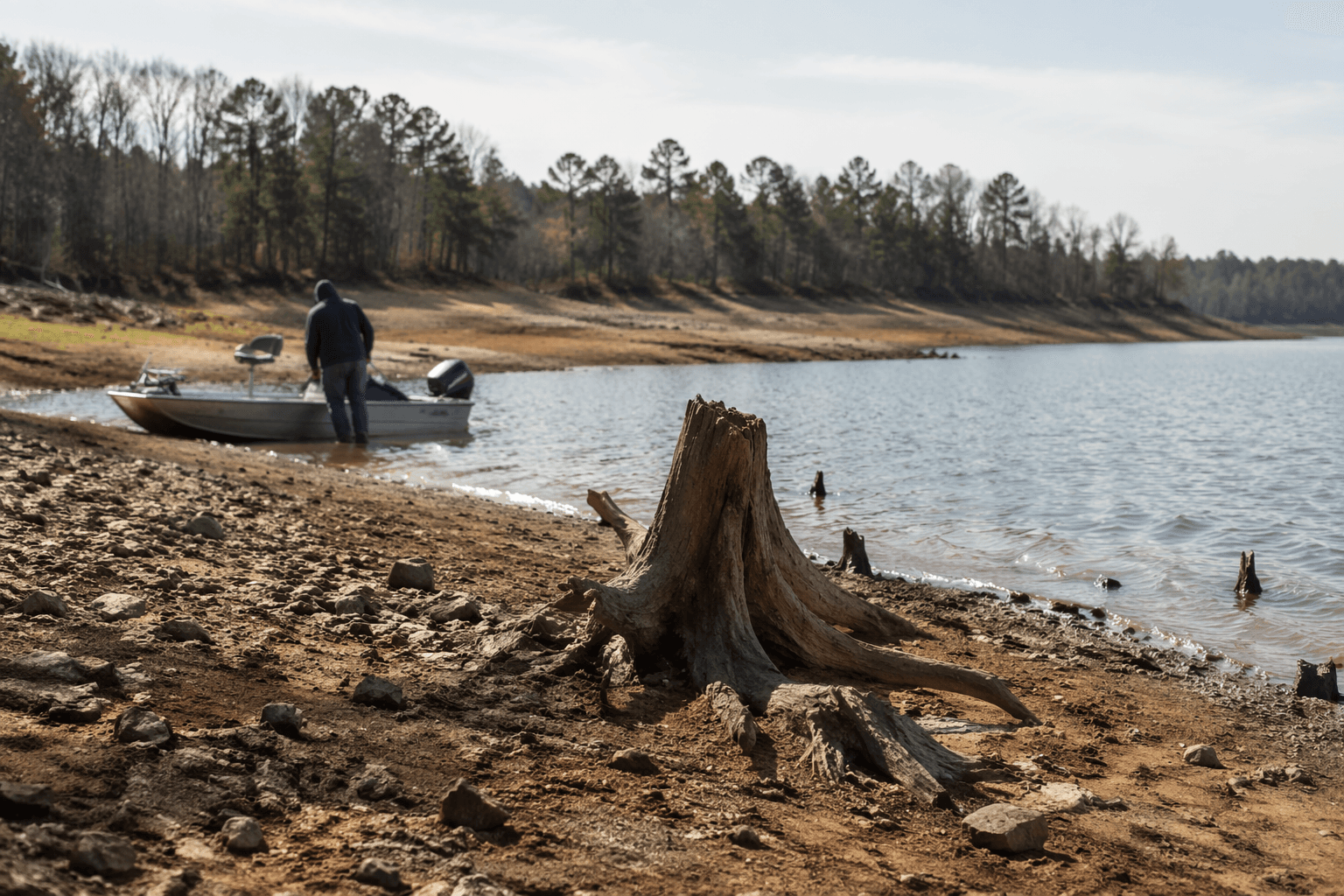
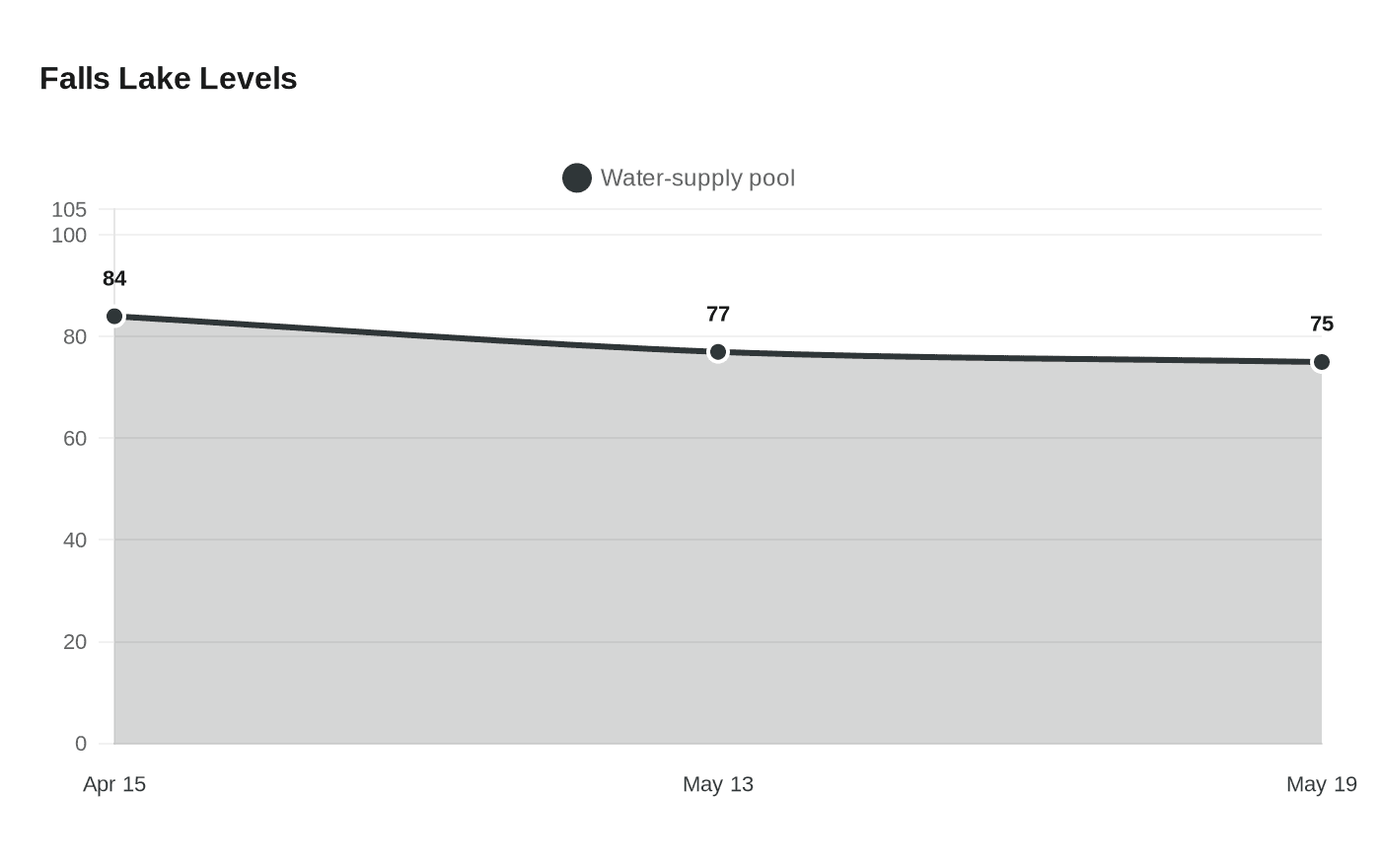
Falls Lake’s falling shoreline is turning boat ramps, coves and fishing spots into hazard zones just as Raleigh’s main drinking-water source slips deeper into drought territory. The reservoir, which provides about 58% of the city’s water supply, was at 75% of its water-supply pool by Raleigh’s May 19 update, below the 85% trigger city managers watch for when drought response can intensify.
Raleigh put Stage 1 water restrictions in place effective April 20 after declaring that central North Carolina was in a severe drought affecting the Falls Lake watershed. City updates show how fast the reservoir has been sliding: 84% remaining when the alert was posted April 15, 77% in a May 13 update, and 75% by May 19. Raleigh Water said the pool has been dropping by about 2% a week since early April, and a small rain event only lifted lake levels by a few tenths of an inch.
The problem has not been a lack of scattered showers so much as a sustained moisture deficit. Raleigh Water Assistant Director Ed Buchan said rainfall totals of about 0.4 to 0.8 inches across the watershed were not enough to materially change drought conditions. The city said it expected to stay under Stage 1 restrictions through May and potentially into summer if the region stays dry.

Those restrictions are already changing demand. Raleigh Water said usage fell from about 69 million gallons per day before the restrictions to about 60 million gallons per day in mid-May. The city also said water use dropped by 35 million gallons in one week after the restrictions began, a sign that conservation messaging is reaching households across Raleigh and nearby communities.
For boaters and anglers, the effect is immediate. More shoreline is exposed, shallow spots are showing up in places that are usually covered, and debris is becoming harder to avoid. Fishing patterns are changing too, with anglers saying fish are moving and familiar spots are no longer producing the way they did earlier in the season.
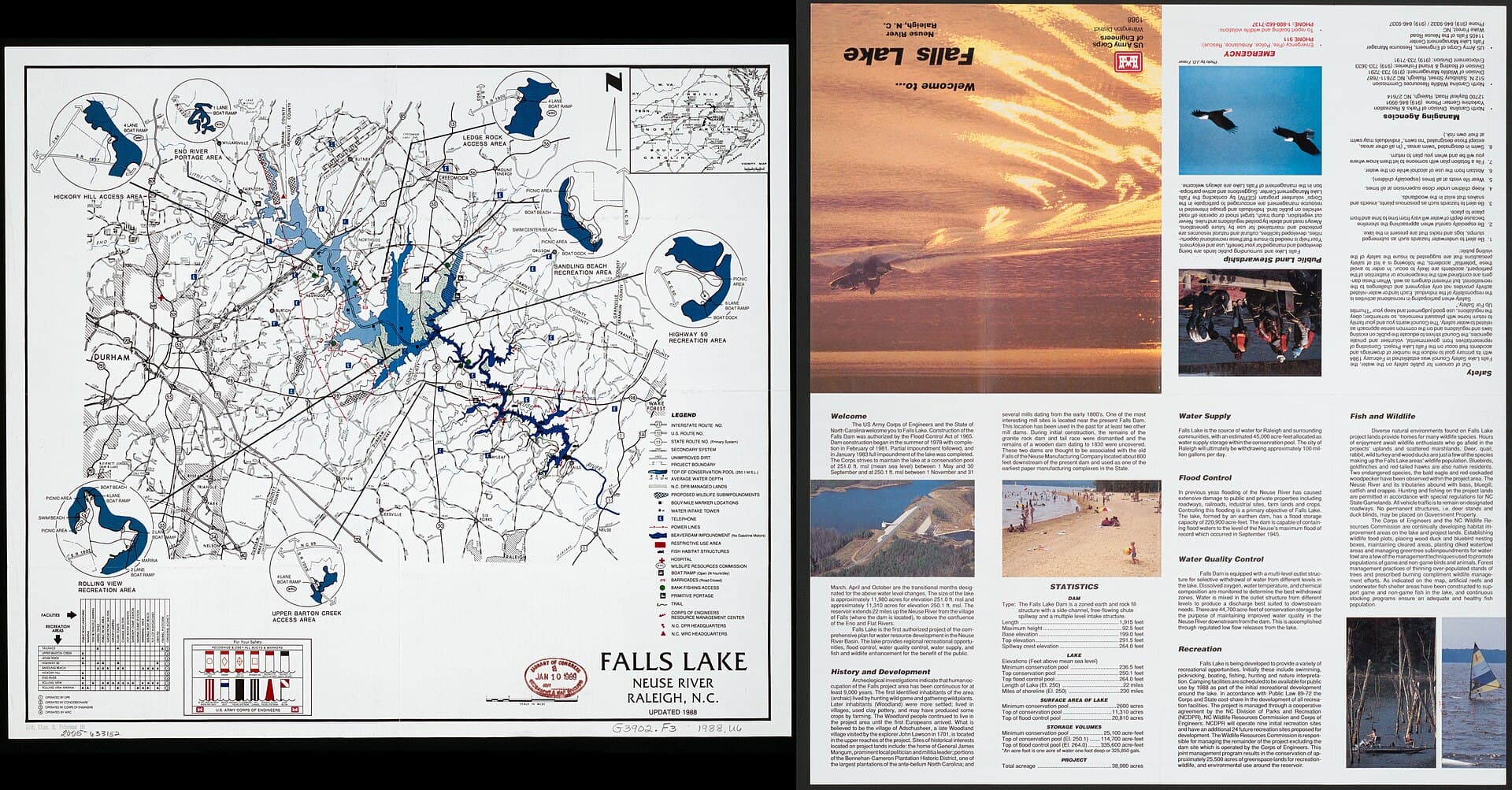
Falls Lake’s role in Wake County makes the stakes larger than a single dry stretch. Built in 1978 by the U.S. Army Corps of Engineers, the reservoir had 5.6 billion gallons added to its supply pool in 2019, making today’s drought triggers more conservative. Raleigh’s Water Shortage Response Plan is based on more than 100 years of data and the lake’s natural fill-and-drawdown cycle, and the city says Lake Benson and Lake Wheeler remain near full capacity as secondary supplies. That buffer has helped Raleigh stay at Stage 1 for now, but continued dry weather would leave less room before deeper restrictions become necessary.
This article was produced by Prism’s automated news system from verified source data, official records, and press releases, then run through automated quality and moderation checks before publishing. The system is built and supervised by the people who set the standards it runs under. Read our full AI policy.
Did this article answer your question?