Flock license plate readers expand in Raleigh area amid privacy concerns
Raleigh and Wake agencies are adding Flock plate readers as North Carolina’s network tops 150 million scans, sharpening a fight over surveillance and privacy.
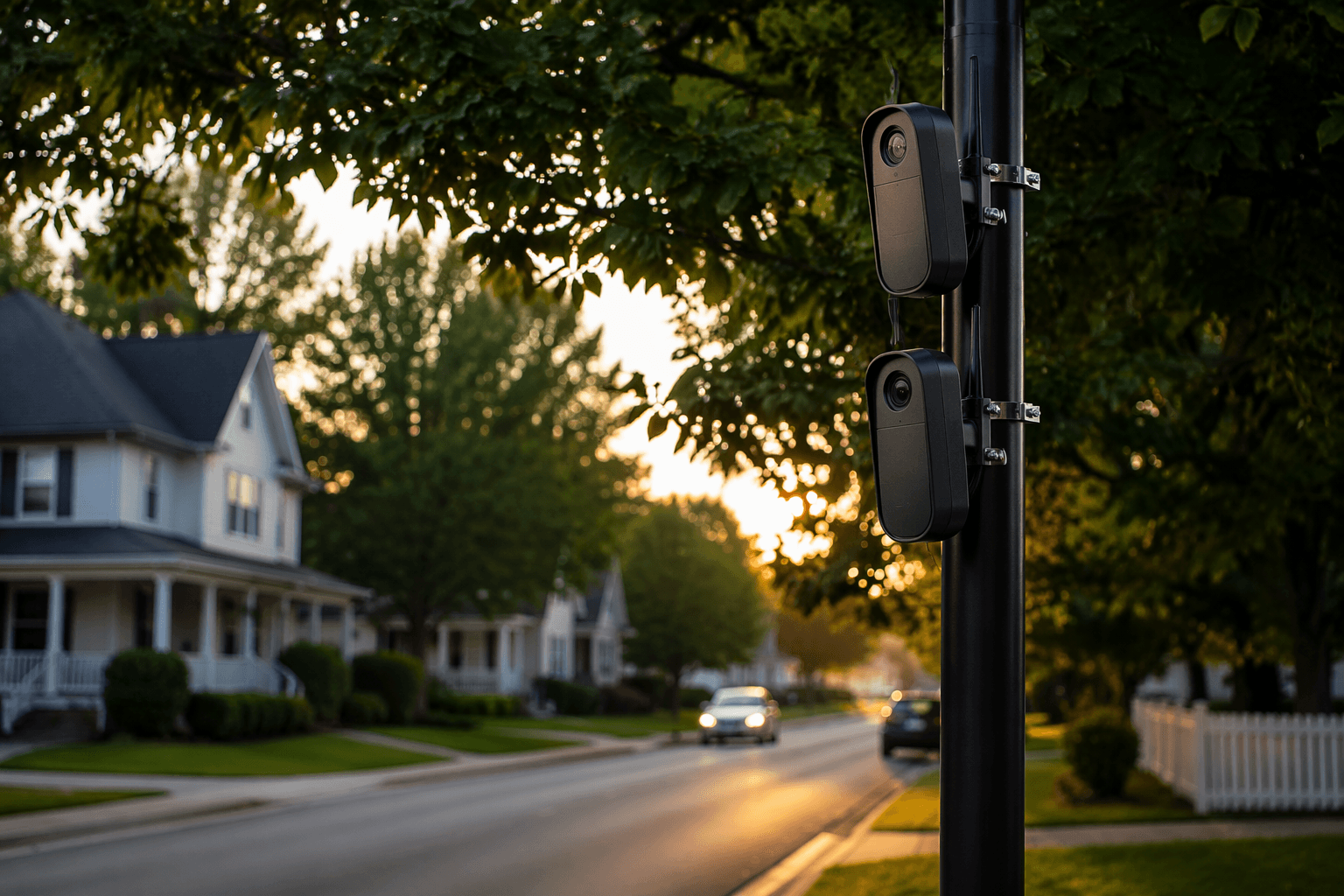
Flock license plate readers are spreading across Raleigh and Wake County as North Carolina moves closer to locking in a statewide highway surveillance system that has already logged more than 150 million scans. Law enforcement says the cameras help recover stolen cars, solve crimes and find missing people, but privacy advocates warn that ordinary drivers can end up feeding a much broader tracking network than they realize.
As of mid-March 2026, about 140 cameras were installed statewide and 32 law-enforcement agencies were participating in the program. Those agencies include the Raleigh Police Department, Wake County Sheriff’s Office, Charlotte-Mecklenburg Police Department, UNC Charlotte Police Department and the North Carolina State Highway Patrol. The State Bureau of Investigation is asking legislators for grants to help local agencies install even more cameras, with a stated goal of covering major interstates and highways and eventually all entrances and exits to North Carolina.
For Wake County residents, that means the technology is no longer confined to theory or distant border crossings. It is already embedded in local policing, and Raleigh has been one of the clearest examples of how quickly the system can spread. The city installed 25 Flock cameras in 2023, and police said those cameras helped make 41 arrests within six months. Flock systems can capture more than a license plate, including vehicle make, color and other distinguishing features, giving investigators a wider digital fingerprint of a passing car.
That reach is exactly what troubles critics. The American Civil Liberties Union of North Carolina says the program expands government surveillance and creates opportunities for discrimination and broader intelligence gathering. North Carolina law makes unauthorized access, preservation or disclosure of automatic license plate reader data a Class 1 misdemeanor, but the state pilot still raises questions about who can see the data, how long it is kept and how far it can travel once it is collected.
Those concerns are not abstract. Hillsborough terminated its Flock contract in October 2025 after initially approving 10 cameras at a cost of about $81,500 for installation and two years of operation, citing data-privacy concerns. Five installed cameras were slated to be removed. The statewide pilot, authorized by lawmakers in 2023 and effective Jan. 1, 2024, is now set to expire July 1, 2026 unless legislators extend it or make it permanent, leaving Wake County caught between law-enforcement promises and a widening privacy debate.
This article was produced by Prism’s automated news system from verified source data, official records, and press releases, then run through automated quality and moderation checks before publishing. The system is built and supervised by the people who set the standards it runs under. Read our full AI policy.
Know something we missed? Have a correction or additional information?
Submit a Tip