Fuquay-Varina man warns neighbors after losing $700,000 in scam
Fuquay-Varina resident Wesley Marley lost about $700,000 in a pig-butchering scam and is warning neighbors before another Wake County saver gets trapped.
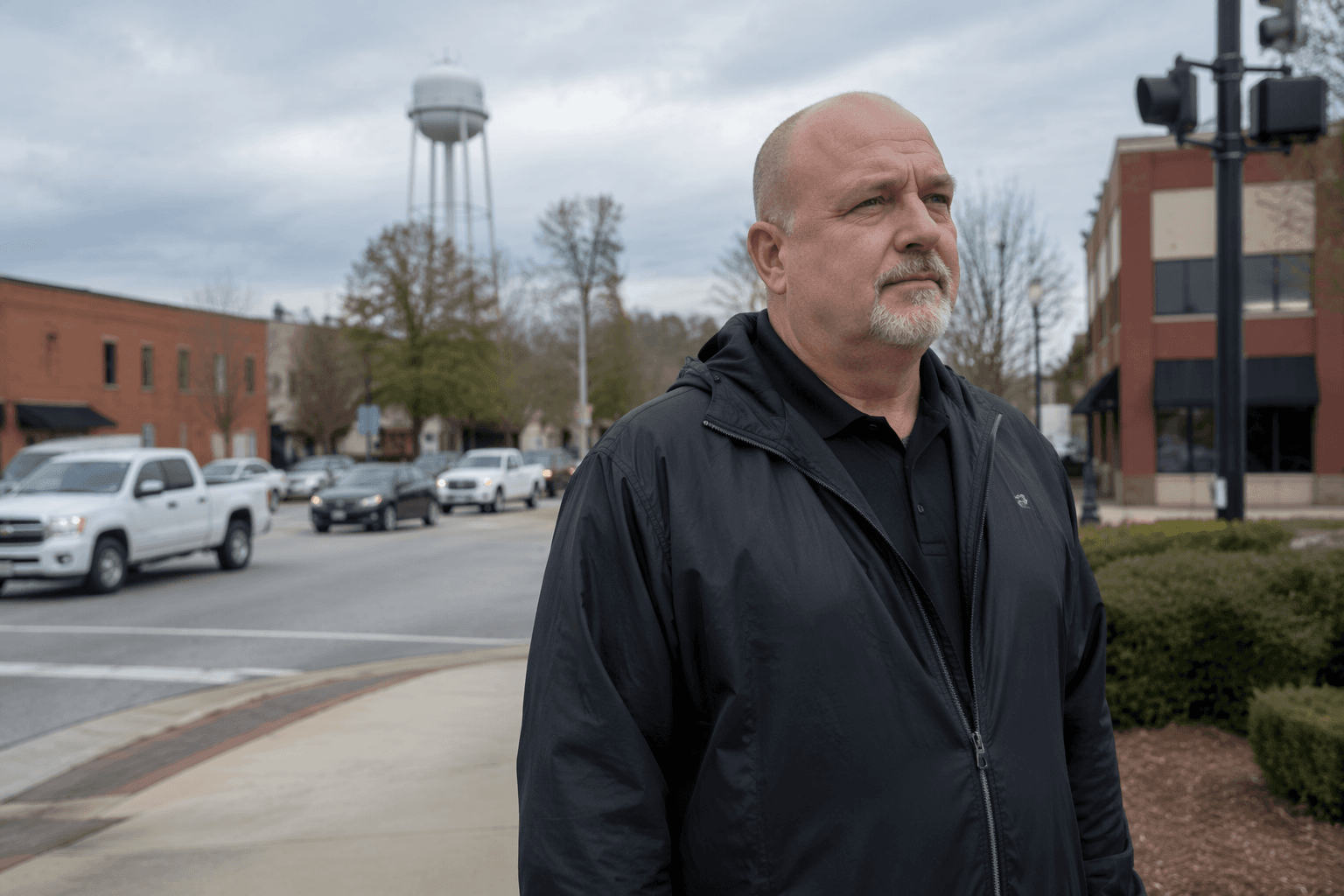
A Fuquay-Varina man who lost about $700,000 in an elaborate investment scam is now warning Wake County neighbors to treat any too-smooth crypto pitch as a danger sign. Wesley Marley contacted WRAL Investigates after he saw his name in a federal court document tied to an online investment fraud, then learned from the FBI that he had been pulled into a pig-butchering scheme built to win trust before draining money.
Pig-butchering is the term investigators use for cryptocurrency investment fraud that starts with patience, not pressure. Scams often begin on dating apps, social media or even through wrong-number texts, then move slowly into fake trading platforms or crypto transfers. By the time the victim realizes the returns are fabricated, people typically lose all the money they invested.
The FBI’s 2024 Internet Crime Report put investment fraud involving cryptocurrency at more than $6.5 billion in losses last year, and people over age 60 at nearly $5 billion of the losses reported to the bureau’s Internet Crime Complaint Center.
Operation Level Up launched in January 2024 to identify victims early and notify them before more money disappeared. By January 2025, the FBI’s effort had contacted more than 4,300 potential victims and helped save an estimated $285 million.
In January 2024, the U.S. Attorney’s Office for the Eastern District of North Carolina announced a seizure of nearly $5 million in cryptocurrency tied to pig-butchering losses, and one victim lost his entire individual retirement account. In 2026, that office announced another seizure of about $61 million linked to similar schemes. The Justice Department has also pursued a $225.3 million forfeiture action in a separate crypto-confidence case.
Warning signs include unsolicited contact, pressure to move money into crypto, promises of easy gains and a relationship that seems to deepen before any investment is discussed. Once money is sent, the chances of getting it back drop sharply.
This article was produced by Prism’s automated news system from verified source data, official records, and press releases, then run through automated quality and moderation checks before publishing. The system is built and supervised by the people who set the standards it runs under. Read our full AI policy.
Know something we missed? Have a correction or additional information?
Submit a Tip