GoRaleigh Route 1 tops 1 million riders for first time
Route 1 crossed 1 million riders for the first time after GoRaleigh boosted service to every 10 minutes on Capital Boulevard, signaling surging demand in north Raleigh.
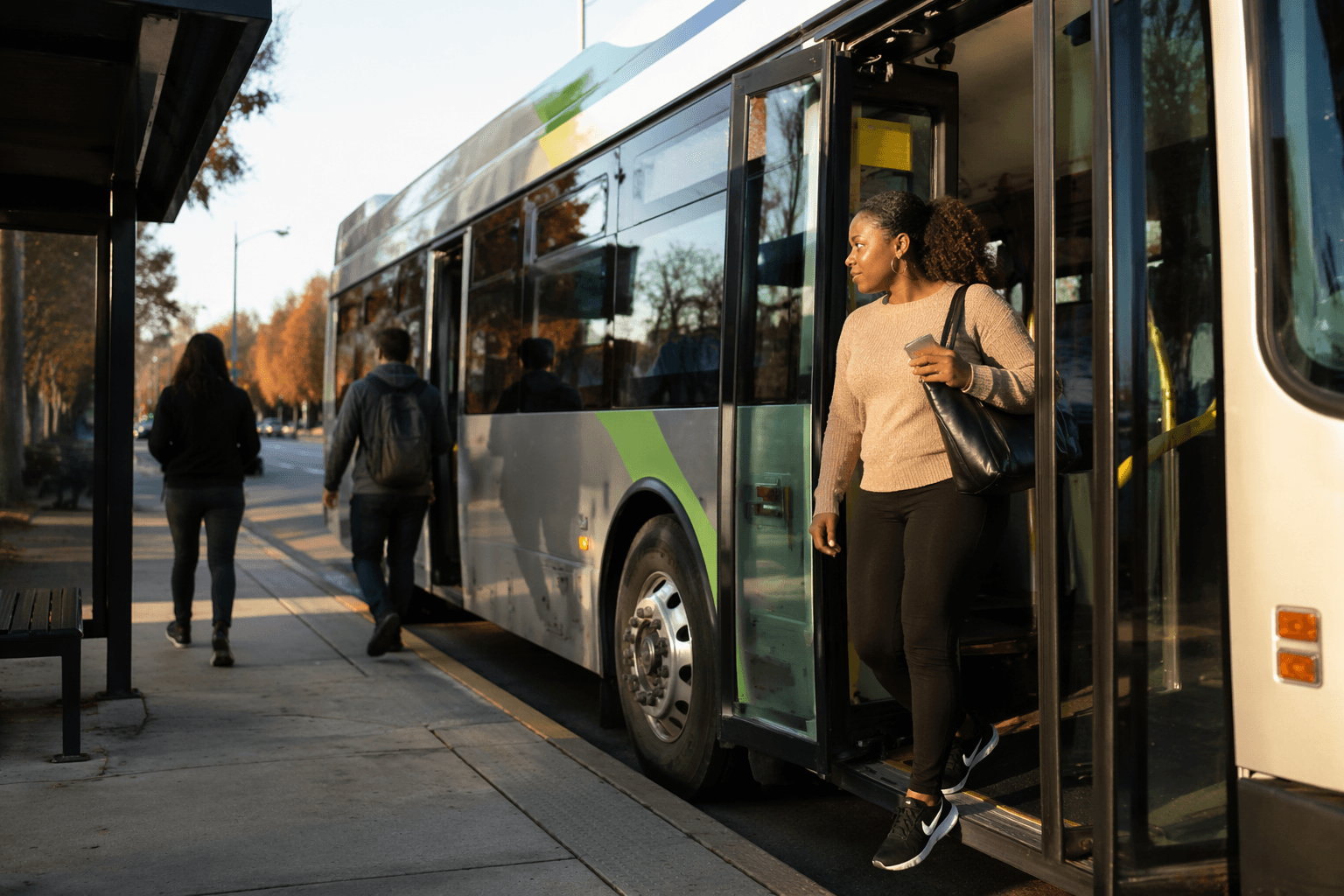
GoRaleigh’s Route 1 carried more than 1 million passengers in the fiscal year ending June 30, 2026, the first time any route in the system reached that mark. The line runs from downtown Raleigh north along Capital Boulevard to Triangle Town Center, serving a corridor dense with neighborhoods, apartments, shopping centers and employers that depend on steady transit access.
The ridership jump followed a service change that took effect October 12, 2025. GoRaleigh began running Route 1 every 10 minutes on weekdays, with 15-minute weekend daytime service and 20-minute early-morning and late-evening weekday service. The change was funded by the Wake Transit half-cent sales tax, and the revised pattern also removed three stops along the route.
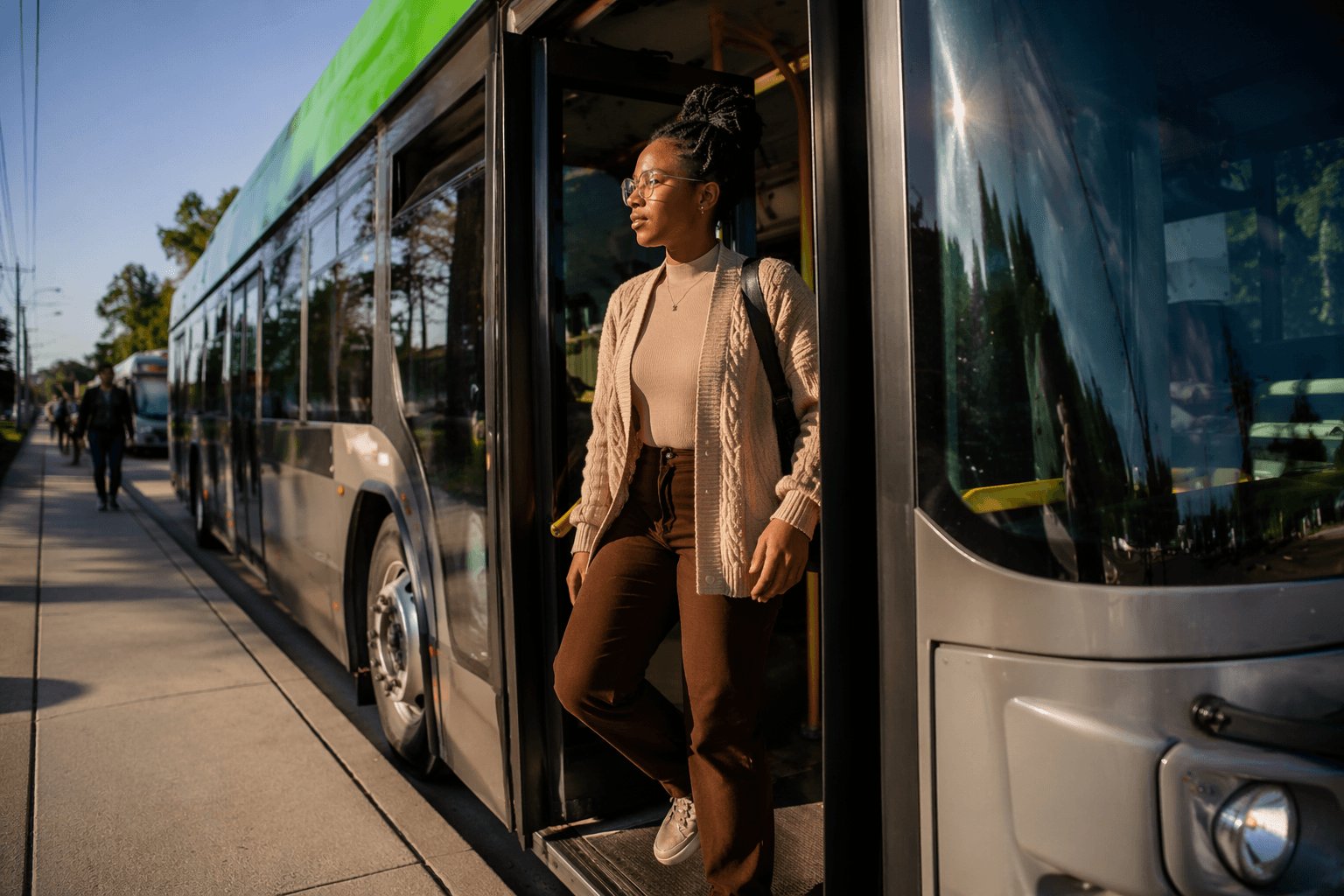
City transportation manager David Walker said Route 1’s performance is likely unmatched anywhere else in North Carolina. The Regional Transportation Alliance says Route 1 is the state’s highest-ridership fixed-route bus service and its most frequent non-university-based transit route.
The route’s growth came as GoRaleigh systemwide ridership topped 7.8 million last fiscal year, nearly 3 percent above the year before. For riders in north Raleigh, the 10-minute weekday headway means shorter waits and a more predictable connection between downtown, Capital Boulevard, Spring Forest Road, Brentwood Road and Triangle Town Center.
Wake County has more than a million residents and is growing by more than 60 people per day. Raleigh’s transit planning work now stretches across the Wake Transit Plan, the GoRaleigh Short Range Plan, the GoRaleigh Bus Development Plan and bus rapid transit planning.
This article was produced by Prism’s automated news system from verified source data, official records, and press releases, then run through automated quality and moderation checks before publishing. The system is built and supervised by the people who set the standards it runs under. Read our full AI policy.
Did this article answer your question?