Hurricanes look to improve after Stanley Cup win, key decisions ahead
The Hurricanes won the Cup, but Eric Tulsky said the roster still has room to improve as Frederik Andersen, Alexander Nikishin and Seth Jarvis shape the offseason.
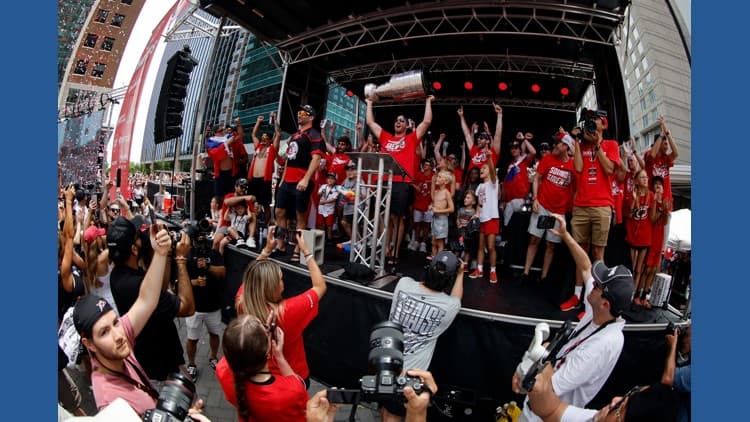
The Hurricanes are not treating their Stanley Cup as a finish line. General manager Eric Tulsky said the champions still had room to improve as Carolina opened an offseason shaped by Frederik Andersen’s free agency, Alexander Nikishin’s next contract and Seth Jarvis’ shoulder surgery.
Andersen is the biggest-name unrestricted free agent on the board after a postseason in which he posted a 12-1 record and started all eight of Carolina’s playoff wins before the Final. Mike Reilly also is a free agent, while Nicolas Deslauriers already came off the list after signing a two-year deal during the downtown Raleigh championship rally. Nikishin’s future could still go several ways, including a bridge deal, a long-term extension or trade speculation, giving Tulsky one of the clearest salary-cap decisions on the roster.
The injury picture makes the front office’s job more complicated. Tulsky said Jarvis had shoulder surgery and is expected to miss about 4 to 6 months, while Eric Robinson had knee surgery and is expected out 6 to 8 weeks. Those absences could open a chance for a younger player such as Bradly Nadeau, but they also tighten the margin for error on a roster that already has most of its core on long-term deals.
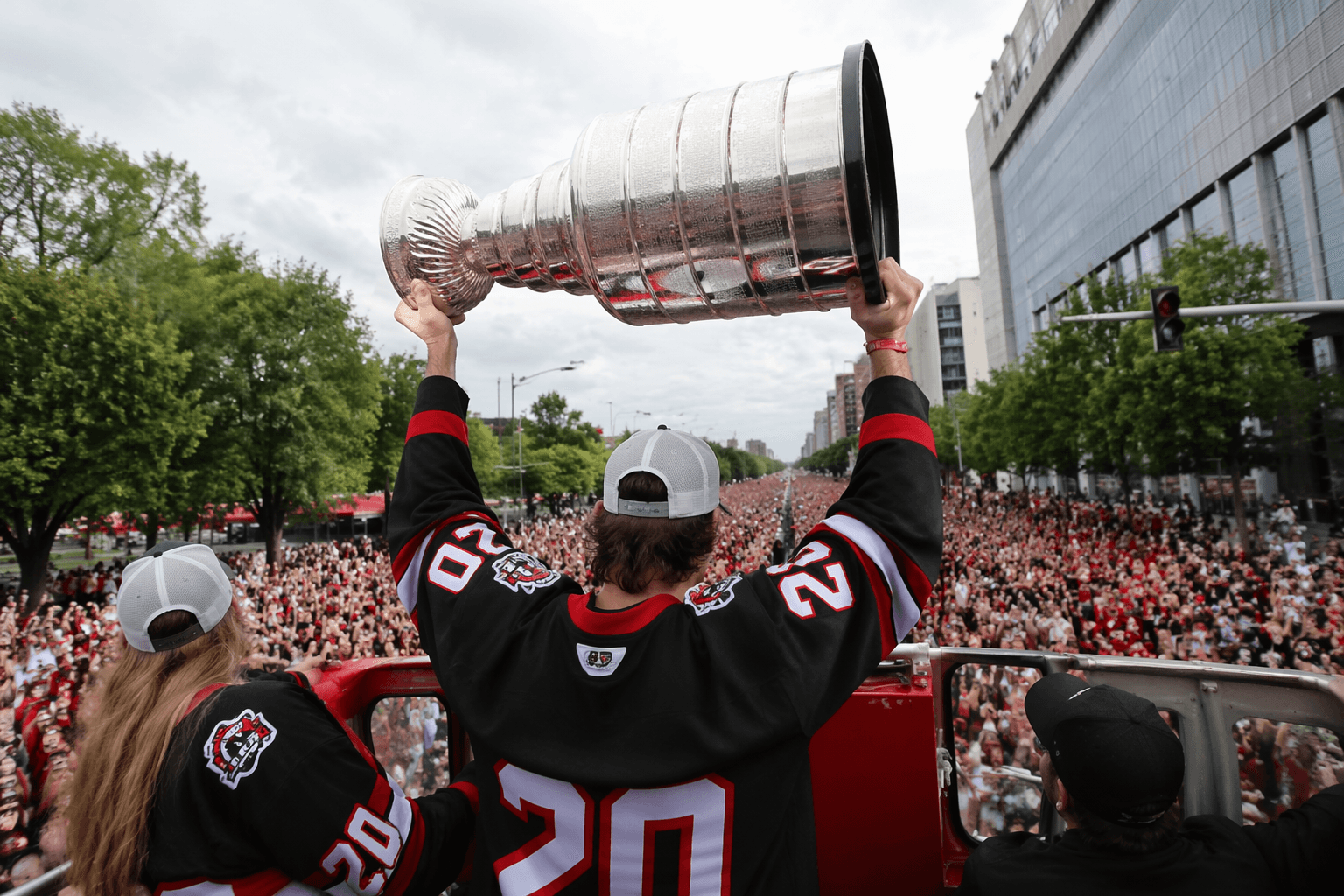
The timing adds another layer in Wake County. Carolina won the 2025-26 Stanley Cup, the franchise’s second title and first since 2006, and did it five days shy of the 20-year anniversary of its first championship. The 2006 celebration drew about 30,000 people at the RBC Center, while this year’s downtown Raleigh parade and rally was first estimated at 150,000 and later updated by downtown officials to 192,922, the largest parade turnout in Raleigh history.
That scale carried into the local economy. Visit Raleigh and local reporting put the Wake County impact of the Cup run at $13.4 million, driven by three sold-out home games, about 6,700 booked hotel rooms and roughly 112,000 people at watch parties, not counting the parade itself. Tulsky’s push to keep the roster moving forward now sits beside a larger question for Raleigh and Wake County: whether Carolina can keep the kind of demand, downtown activity and arena energy that made the championship feel like a region-wide event.
This article was produced by Prism’s automated news system from verified source data, official records, and press releases, then run through automated quality and moderation checks before publishing. The system is built and supervised by the people who set the standards it runs under. Read our full AI policy.
Did this article answer your question?