Illegal High Potency Cannabis Seized from Local Stores, Authorities Warn
Apex police and Hoke County deputies seized large quantities of illegal cannabis products last month after testing showed THC levels far above the legal limit for hemp. The seizures highlight limits in testing capacity, challenges for prosecutors proving seller knowledge, and growing concern among parents about youth exposure.
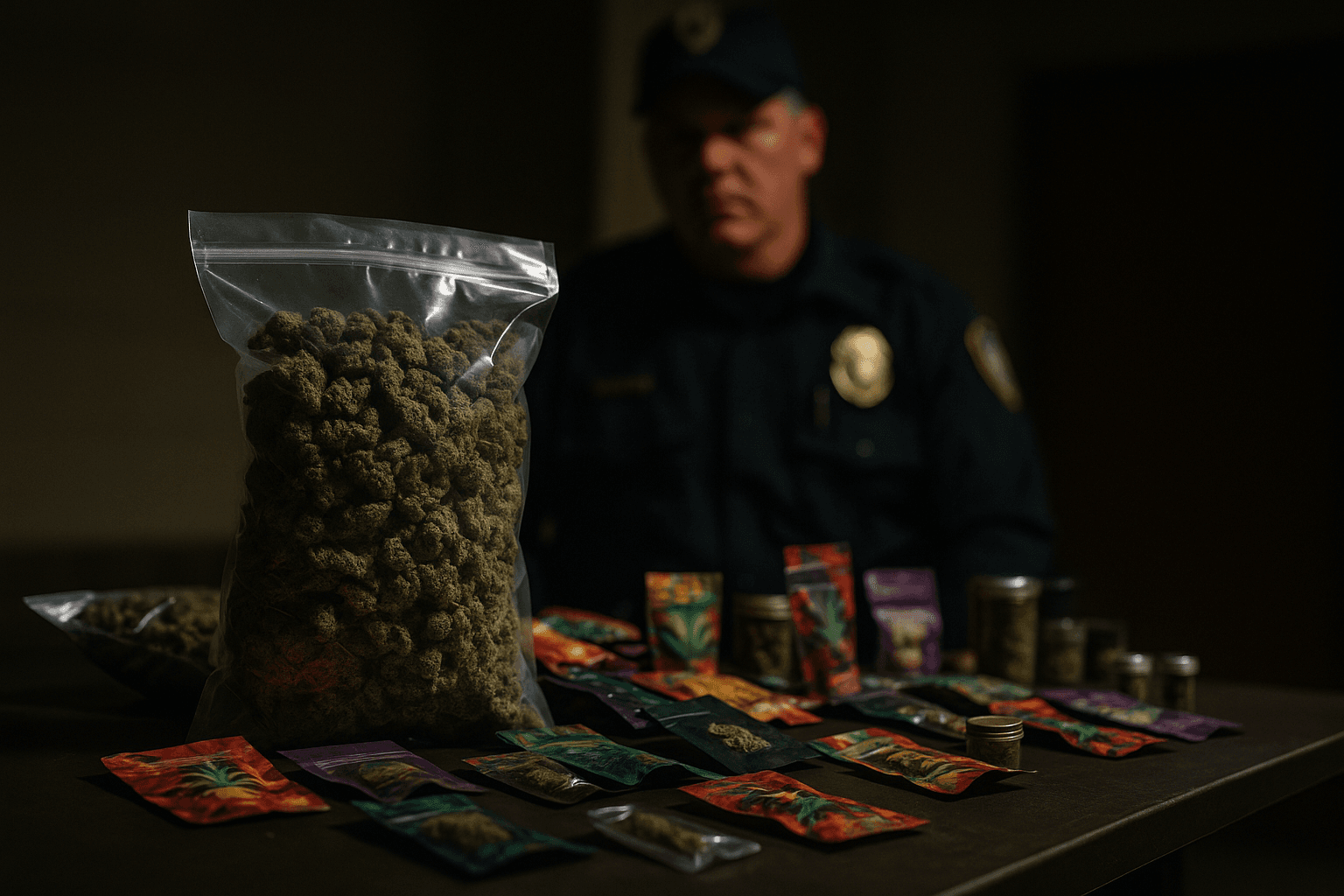
Law enforcement agencies in central North Carolina carried out seizures of illegal cannabis products in November, raising questions about product labeling, testing infrastructure, and public safety in Wake County and nearby communities. Apex Police Department officers confiscated more than 1,150 pounds of illegal marijuana after complaints from residents and parents, while Hoke County deputies charged a store owner and continued an investigation into similar products.
Under state law dried hemp products cannot contain more than 0.3 percent delta nine THC. Tests performed by commercial labs showed items marketed as CBD contained between ten and forty times that legal limit, according to police. Testing is a central piece of the unfolding cases, and law enforcement and prosecutors told WRAL News those results will be decisive in any charges that follow.
Christy Wentzell, Apex police criminal investigations captain, said, "We have received multiple complaints or concerned parents," and emphasized the dual concerns of potency and youth access. Officers said they are investigating indications the products were reaching middle school and young high school students, and that advertised CBD items tested at concentrations inconsistent with labeling. Wentzell also cautioned about health effects, stating, "If you think you're consuming one amount of a possible product, you may not be aware of the possible side effects."
Industry lab operators described widespread mislabeling and gaps in vendor knowledge. Frank Maurio, chief operating officer at Delta 9 Analytical, said, "Most of the products that we see aren't what they say they are." He added context on supply chains and seller awareness, saying, "I think a lot of people in a lot of these stores are trying to provide products for their clients. They're purchasing them from other people," and warned that retailers need to be informed, "You have to know what you're selling; you have to be educated."
Wake County District Attorney Lorrin Freeman noted constraints in the evidentiary chain, including a limited number of labs capable of quantifying THC. He said, "These cases will come down to being able to prove that the person in possession knew the level of THC in the product was beyond lawful limits, which might be difficult," and added, "We are increasingly concerned people are being sold products that are much more dangerous and potent than they realize and, to that end, we will continue to investigate and attempt to move forward with charges where evidence supports a prosecution."
The incidents underscore policy and enforcement gaps at the intersection of hemp regulation, retail oversight, and public health. For Wake County residents the case signals a need for clearer vendor accountability, expanded testing capacity, and sustained attention from prosecutors, regulators, schools, and parents as investigators continue their work.
This article was produced by Prism’s automated news system from verified source data, official records, and press releases, then run through automated quality and moderation checks before publishing. The system is built and supervised by the people who set the standards it runs under. Read our full AI policy.
Did this article answer your question?