NC board to hear Wake County ballot dispute over deceased voters
Wake’s ballot dispute will test whether 3 dead-voter ballots should have counted after officials rejected 42 others in the 2024 certification.

The North Carolina State Board of Elections will revisit a Wake County ballot fight on June 24, weighing whether county officials should have counted ballots cast by voters who died before Election Day in 2024. Wake County election officials had already certified the county’s results on Nov. 15, 2024, after reviewing 70 challenges, including 45 tied to voters who cast early ballots and later died. The county board threw out 42 of those ballots but counted 3 after hearing testimony from relatives and, in one case, support from a board member.
The case has become a test of whether Wake’s handling was a narrow judgment call or a process failure with broader implications for voter trust. State election officials have long told counties to reject ballots cast by people who die before Election Day, and a 2022 State Board memo said the qualifications of early and absentee voters are judged as of Election Day. Even so, there is no specific state law that directly says a ballot cast before death must be rejected, leaving counties to navigate guidance that has not been matched by a clear statute.
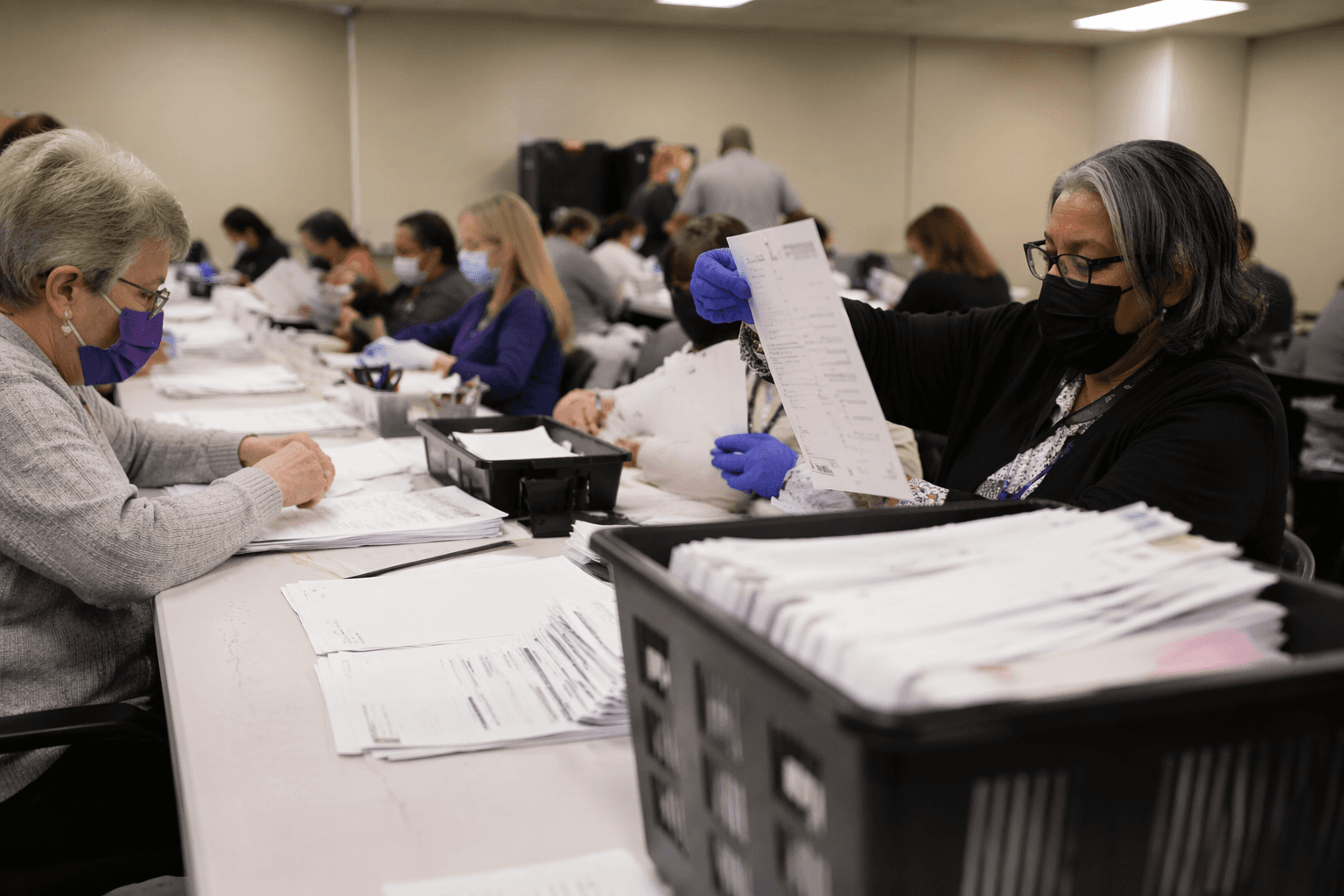
The state board already addressed the dispute on Jan. 22, 2025, when it dismissed complaints against three Wake County board members in a 3-2 vote split along party lines. Chairman Alan Hirsch said the actions were “ill-advised” but not severe enough to warrant removal. Republican member Stacy Eggers said the boards had ignored clear instructions, while Democratic member Jeff Carmon said the legislature left the matter ambiguous by failing to pass a clear law.
Wake’s handling of deceased voters also sits inside a larger statewide effort to clean up voter rolls. North Carolina election materials allow a near relative or estate representative to notify a county board to cancel a deceased voter’s registration. Separately, the state board said on April 27, 2026, that it had identified about 34,000 deceased people on the rolls through a SAVE database comparison and would verify records before removing names. Officials said that review does not automatically mean illegal votes were cast in those names.
For Wake County, the practical question is straightforward: did the county’s safeguards work as intended, or did officials open the door to uncertainty in a small but sensitive set of ballots? The June 24 hearing will put that question back in front of state regulators, with the 2024 results already certified and the dispute narrowed to 45 deceased-voter challenges out of the 70 the county reviewed.
This article was produced by Prism’s automated news system from verified source data, official records, and press releases, then run through automated quality and moderation checks before publishing. The system is built and supervised by the people who set the standards it runs under. Read our full AI policy.
Know something we missed? Have a correction or additional information?
Submit a Tip