NC State Allocates $20.5 Million, Football Receives Majority Share
Public records released December 19 show NC State Athletics allocated $20.5 million in revenue sharing and related scholarship payments for the current academic year, with football receiving roughly $13.5 million. The disclosure matters to Wake County residents because it reveals where university resources are flowing, how scholarship opportunities are expanding, and how money is shifting among high profile and smaller sports programs.

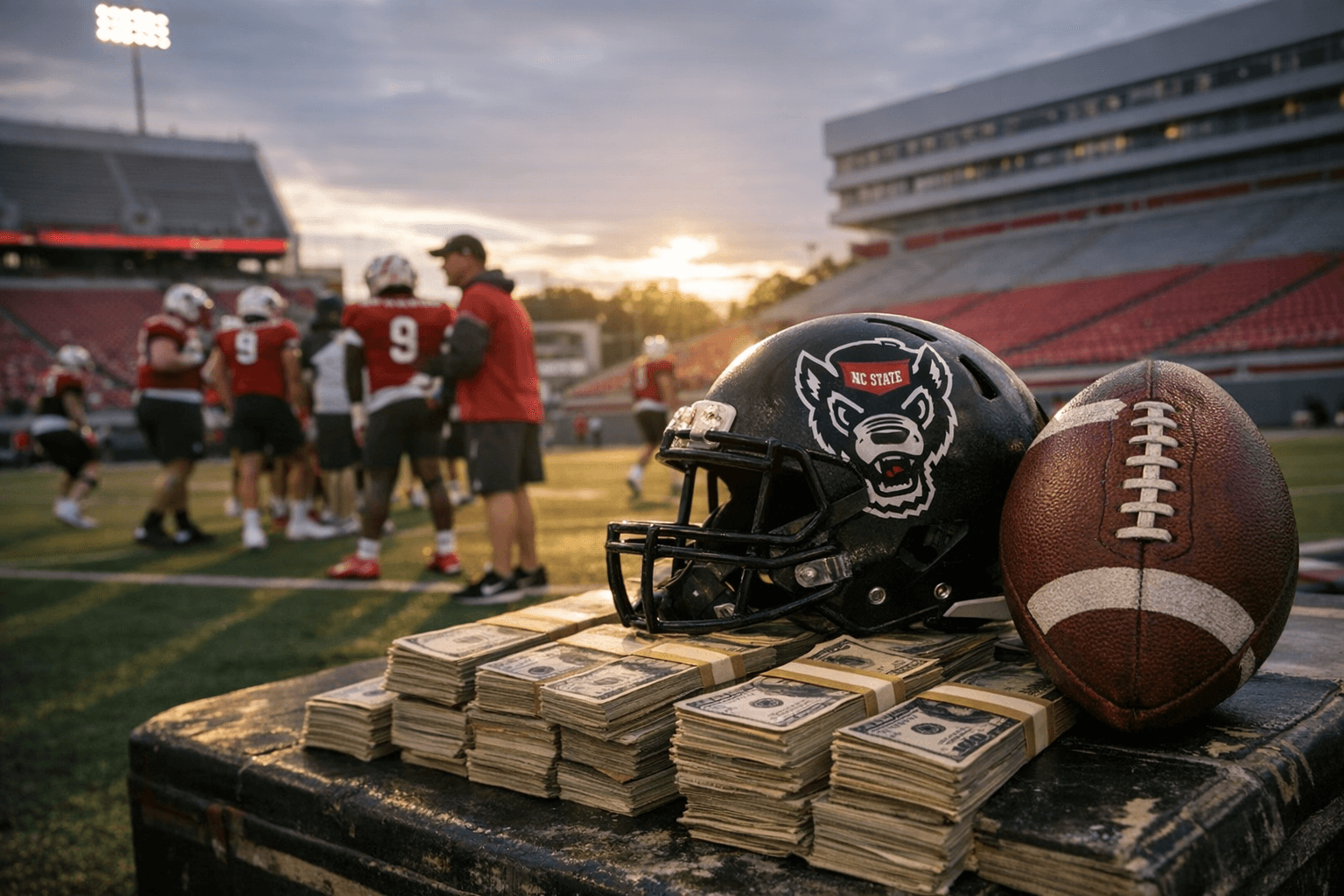
Public records filed December 19 reveal NC State Athletics distributed $20.5 million this academic year in revenue sharing and scholarship related payments under the post Alston rules that expanded schools capacity to fund athlete support. The university breakdown shows football received about $13.5 million, or roughly 66 percent of the total. Men s basketball received about $4 million, or about 20 percent, while women s basketball was allocated about $1 million, near 5 percent. The remaining roughly $2 million was spread among other sports including baseball, soccer, swimming and gymnastics.
The immediate effect is an increase in scholarship and related educational support for athletes in the top funded programs. For local student athletes and families in Wake County this can mean more full cost of attendance support, enhanced academic services, and broader financial assistance tied to athletics. It also strengthens NC State s recruiting position in a competitive Atlantic Coast Conference market where programs increasingly leverage scholarship flexibility to attract talent.
The pattern of allocations highlights an ongoing consolidation of athletic revenue toward football and men s basketball across major college programs. From a market perspective, concentrating funds in revenue generating sports tends to amplify on field success that drives ticket sales, local hotel and restaurant business, and media attention. That can boost Raleigh s event economy but can also concentrate financial and competitive advantages in ways that complicate equity across programs.
Policy implications are significant for university trustees and state oversight. The Alston era gives public universities new discretion in how they apply revenue sharing to scholarships and athlete supports. That discretion raises questions about gender equity compliance, long term sustainability for non revenue sports, and transparency about how revenue shares are calculated and spent.
For Wake County residents observers say the disclosure provides a clearer account of public university priorities. As NC State implements these allocations, county families and local officials will be watching for measurable outcomes in athlete graduation rates, recruitment patterns, game attendance, and the broader economic ripple effects of stronger teams in Raleigh.
This article was produced by Prism’s automated news system from verified source data, official records, and press releases, then run through automated quality and moderation checks before publishing. The system is built and supervised by the people who set the standards it runs under. Read our full AI policy.
Did this article answer your question?