North Carolina OKs AI cameras to track drivers on state roads
AI plate readers can now go beside any state-maintained road, putting Wake County commuters on a statewide surveillance grid with a 90-day data limit.
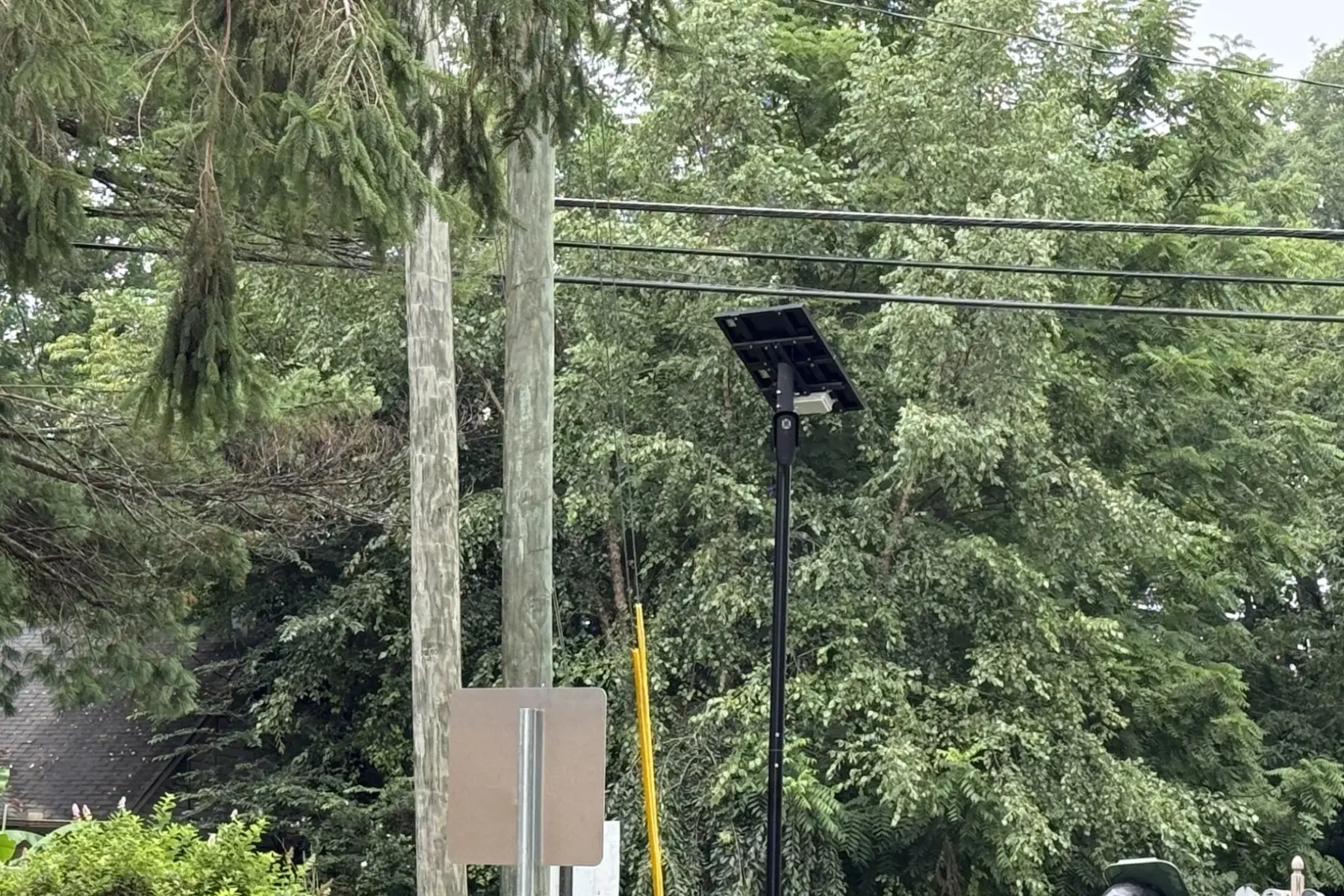
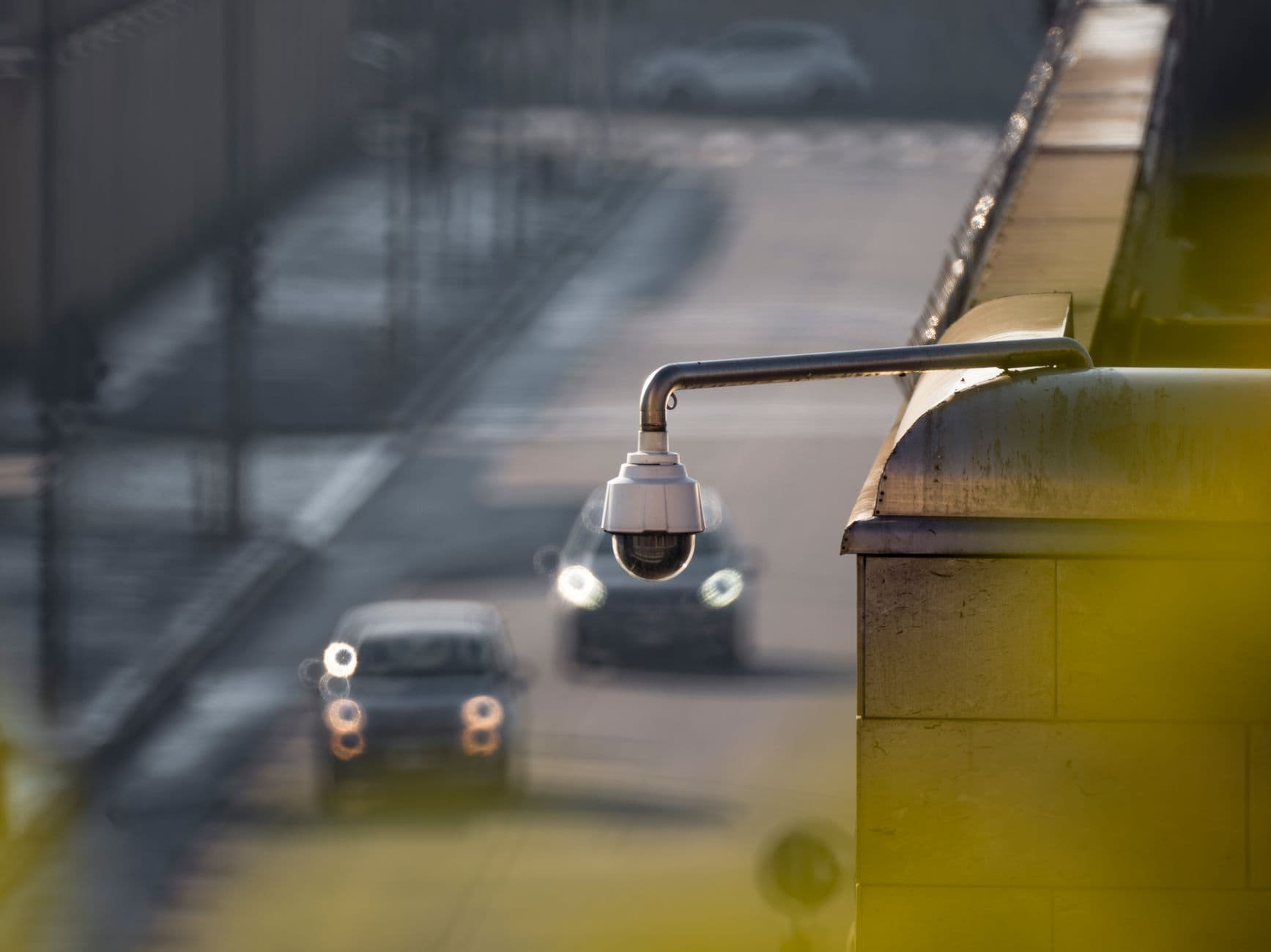
North Carolina’s new budget now lets the State Bureau of Investigation place AI plate readers beside any state-maintained road, including the routes Wake County drivers use every day in and out of Raleigh, Cary, Apex, Wake Forest, Garner and Holly Springs. The change expands a system that was first framed as a pilot into a much broader surveillance power with direct civil-liberties consequences for ordinary commuters.
Session Law 2023-151, signed by Gov. Roy Cooper on Nov. 9, 2023 and effective Jan. 1, 2024, created the pilot program allowing automatic license plate readers in state rights-of-way. North Carolina General Statutes Chapter 20, Article 3D defines an automatic license plate reader system as one or more mobile or fixed automated high-speed cameras that use computer algorithms to turn license plate images into computer-readable data.
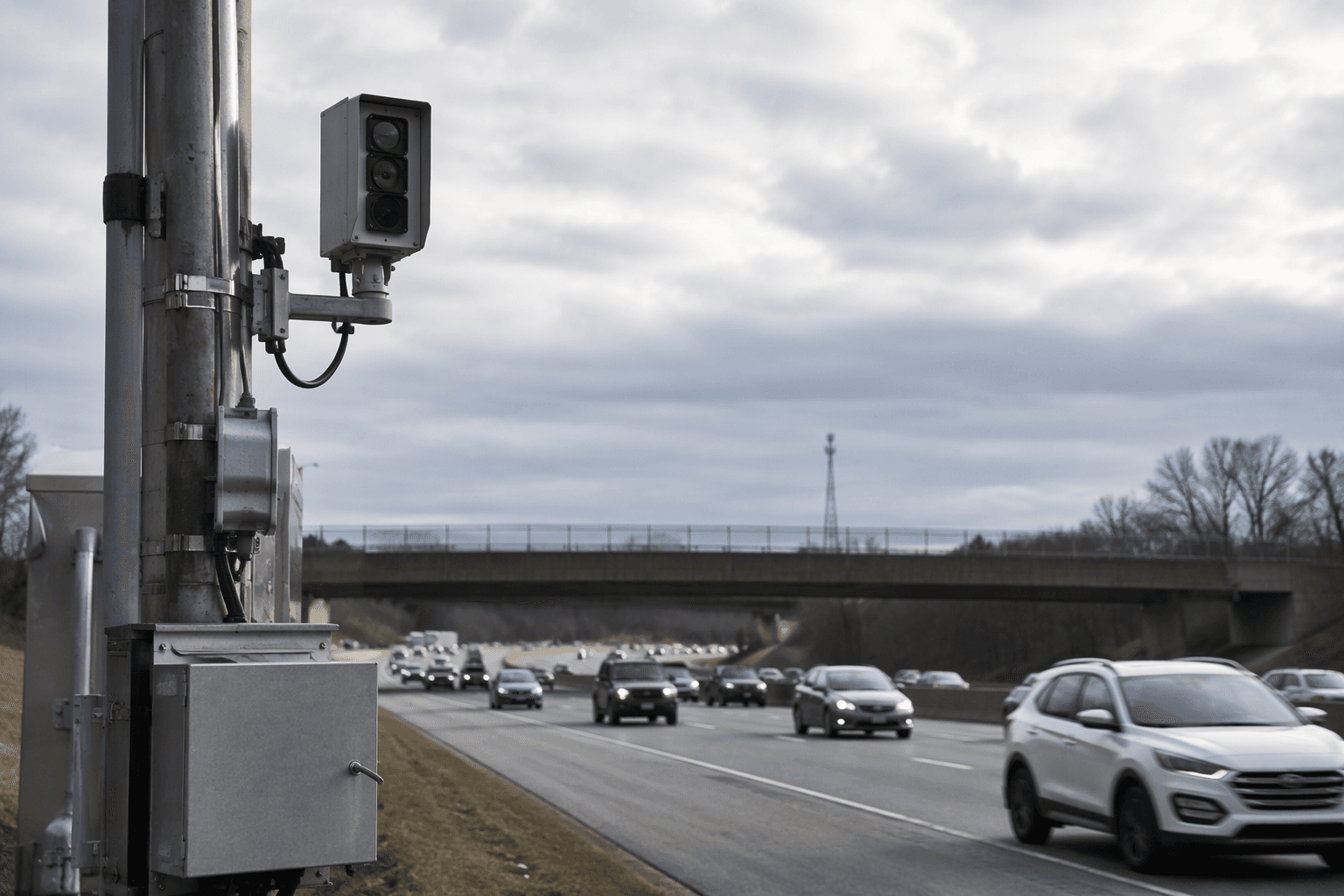
Law enforcement has cast the cameras as a faster way to identify vehicles tied to crimes and track suspects across the state’s highway network. An SBI report cited in local reporting made clear how broad the ambition is: one top priority was expanding the camera network to cover every major highway entering and leaving North Carolina. A June 2026 report said lawmakers were already moving to make the highway pilot permanent, and one 2026 report said 32 local law-enforcement agencies were participating as partners.
The privacy concerns are just as concrete. North Carolina law reportedly limits license plate reader data retention to 90 days, but that still leaves a rolling record of where drivers go, when they travel and which corridors they use. For residents who are never suspected of a crime, the key questions are who can access the data, what gets logged when officers search it, and what audit trail exists to show whether the system was used properly.
That oversight question matters in Wake County because the budget authority reaches the roads used by daily commuters, not just police cruisers or isolated checkpoints. The broader policy fight is no longer about whether license plate readers can exist in North Carolina, but whether lawmakers created a near-statewide tracking power inside a budget deal without the public debate and local guardrails that a surveillance system this wide would normally demand.
This article was produced by Prism’s automated news system from verified source data, official records, and press releases, then run through automated quality and moderation checks before publishing. The system is built and supervised by the people who set the standards it runs under. Read our full AI policy.
Did this article answer your question?