Private equity firms control 40% of Raleigh-Cary apartment units
Private equity now owns 39.5% of Raleigh-Cary apartments, or more than 46,700 units, putting lease renewals, fees and repairs in the hands of big investors.
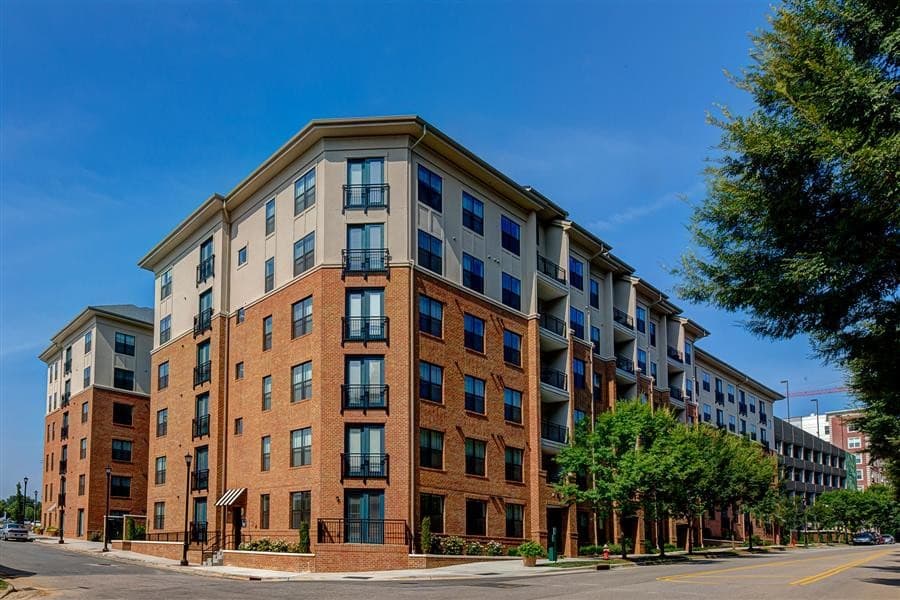
Private equity firms now control more than 46,700 apartments in the Raleigh-Cary metro area, about 39.5% of all units, a share large enough to shape how many Wake County renters experience housing day to day. In a market that includes Raleigh, Cary, Apex, Wendell and Wake Forest, that level of ownership concentration means lease renewals, added fees, maintenance response and even the pace of future sales can be influenced by a relatively small number of large investment firms.
That matters because the apartment market is not just an abstract asset class in the Triangle. It is the place where working families, new arrivals and longtime residents sign leases, wait for repairs and absorb rent increases. When ownership shifts from local landlords and smaller operators to corporate firms, the business model can become more standardized and more aggressive, especially in a region where housing costs have remained a pressure point and the biggest landlords have already faced accusations of colluding to push rents higher.

The trend is not limited to Wake County. The Private Equity Stakeholder Project says private equity firms own at least 11,800 apartment buildings and almost 3 million apartment units in the United States, about 13% of the nation’s apartment stock, or roughly 1 in 8 apartments. About half of those units in the group’s tracker were acquired since 2021, showing how quickly big capital has moved into multifamily housing. Blackstone, with more than 230,000 apartment units, is the largest private-equity apartment owner in the country.
The Triangle’s numbers land in a local affordability crisis that Wake County has been tracking for years. The county says about 56,000 working households earning less than $39,000 a year cannot find affordable housing now, and that number could climb to as many as 150,000 households over the next 20 years. To monitor those pressures, Wake County has launched a Housing Data Dashboard to track population growth, affordability, supply and demand, along with an Affordable Housing Impact Tracker that follows new construction and preserved affordable units.
Public money is still being used to add lower-cost apartments. The Wake County Board of Commissioners approved a $5,755,000 loan for Parkside Apartments in Raleigh, a 144-unit affordable rental development with proposed rent and utility costs ranging from $637 to $2,017. Cary has also used housing planning and bond resources to support affordability goals, a reminder that local governments are trying to widen the supply even as private equity firms continue to buy up a bigger share of the existing stock.
For Wake County renters, the issue is no longer whether Wall Street is present in the apartment market. The question is how much control it now has over the homes people already live in, and how that power will shape neighborhood stability across the Triangle.
This article was produced by Prism’s automated news system from verified source data, official records, and press releases, then run through automated quality and moderation checks before publishing. The system is built and supervised by the people who set the standards it runs under. Read our full AI policy.
Did this article answer your question?

