Protesters block Governor’s Mansion for 4 hours over Duke Energy policies
Six climate activists blocked the Governor’s Mansion entrance for four hours, and Capitol Police made no arrests. The protest targeted Duke Energy over rising bills and gas plant plans.
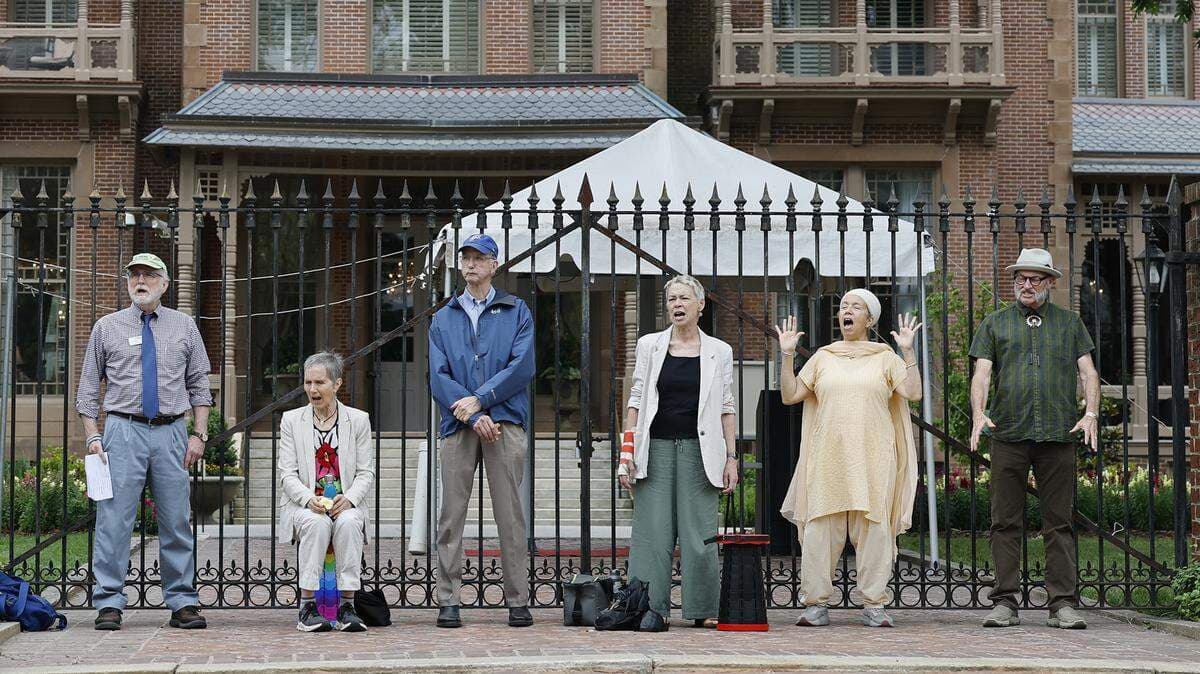
Six climate activists blocked access to the North Carolina Governor’s Mansion for four hours in Raleigh, and North Carolina State Capitol Police made no arrests. The disruption turned the mansion into a test of how far civil disobedience can push state leaders on Duke Energy policy.
The protest was led by NC WARN as part of a broader campaign against Duke Energy’s fossil fuel expansion and rising power bills. Organizers said some protesters intended to block mansion entrances as an act of civil disobedience, and activists held signs reading “stop climate deception” and “people over profits” across the street from the mansion in the North Carolina state government complex.
They urged Gov. Josh Stein to take a stronger stance against Duke Energy’s plans for new natural gas plants and delayed coal retirements. The pressure comes as electric bills in North Carolina have risen about 22% since 2020, a figure activists cited as evidence that ratepayers are paying more while the state’s energy mix remains tied to fossil fuels.
Duke Energy declined to comment on the May 2026 protest. In an earlier April 2025 demonstration at the Governor’s Mansion, the company said it was committed to working with policymakers, regulators and state leaders to deliver reliable, increasingly clean energy while keeping rates as low as possible. The clash reflects a deeper fight now moving through Raleigh over who gets to shape the state’s energy future and how quickly that transition should happen.
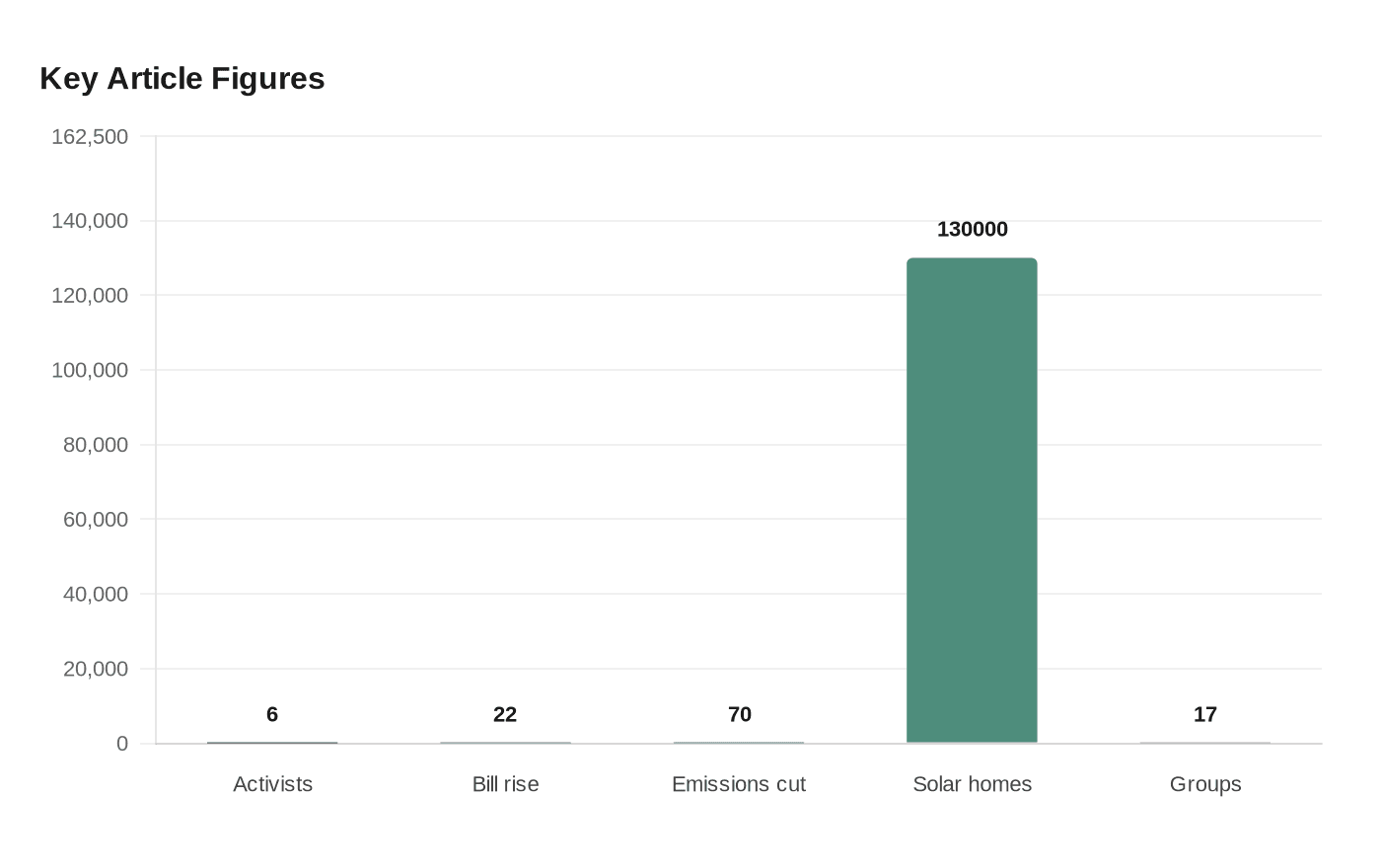
The dispute is also unfolding in the General Assembly and before regulators. Senate Bill 266 would eliminate Duke Energy’s interim goal of cutting carbon emissions 70% by 2030 while leaving in place a longer-term goal of carbon neutrality by 2050. At the same time, state regulators have paused major new solar development decisions until Duke Energy’s updated carbon plan is approved later in 2026, delaying enough solar projects to power roughly 130,000 homes.
The Governor’s Mansion has become a recurring focal point for those fights. On Nov. 19, 2021, 17 energy advocacy groups gathered there over the climate emergency, including Donna Chavis of the Redtailed Hawk Collective and Friends of the Earth. Wednesday’s blockade showed that the mansion remains one of the most visible places in Wake County where the debate over Duke Energy, rates and climate policy is being pressed directly into the center of state power.
This article was produced by Prism’s automated news system from verified source data, official records, and press releases, then run through automated quality and moderation checks before publishing. The system is built and supervised by the people who set the standards it runs under. Read our full AI policy.
Did this article answer your question?