Raleigh adds $2.5 million for fuel as gas costs rise
Raleigh added $2.5 million for fuel as gas topped $4.17 a gallon, aiming to protect fire, police and other fleet-dependent services.
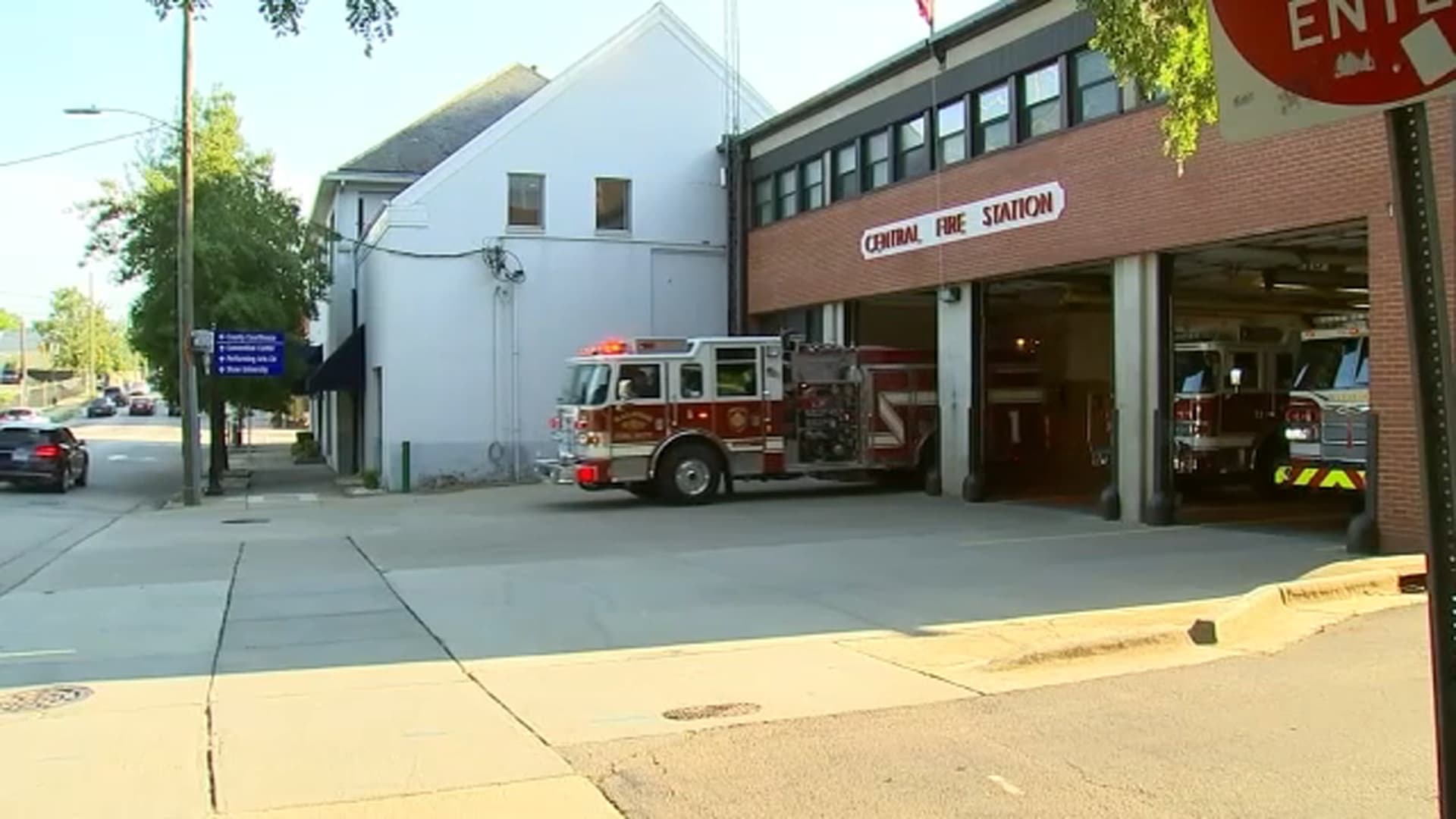
Raleigh City Council approved an extra $2.5 million to cover fuel for the city’s fleet, a move meant to keep day-to-day operations from feeling the squeeze as gasoline prices climb across North Carolina. The added spending nearly doubles the city’s original $3 million fuel budget for the year.
Mayor Janet Cowell said the money was needed to keep services such as fire and police running. That makes the decision more than a bookkeeping fix: when fuel costs rise, the pressure lands on every service that depends on vehicles and heavy equipment, from emergency response to the trucks and machinery that keep the city moving.
The timing matters because Raleigh is still in the middle of a broad fleet transition. City materials say more than 4,700 vehicles and pieces of equipment are being shifted away from traditional fossil fuels toward electric vehicles and clean alternative fuels. A separate city climate page says Raleigh is working to electrify its 2,000-plus vehicle fleet. Even so, Cowell said the city is still exposed to wider energy costs, pointing to Duke Energy’s request for an average 15% rate hike as a budget threat that could reach beyond gasoline.
The fuel increase landed against a high-price backdrop. AAA listed North Carolina’s average regular gas price at $4.174 a gallon on May 19, underscoring why city leaders moved to shore up the budget now rather than risk service cuts later. The additional $2.5 million is intended to absorb those costs in the current fiscal year, which runs from July 1, 2025, through June 30, 2026.
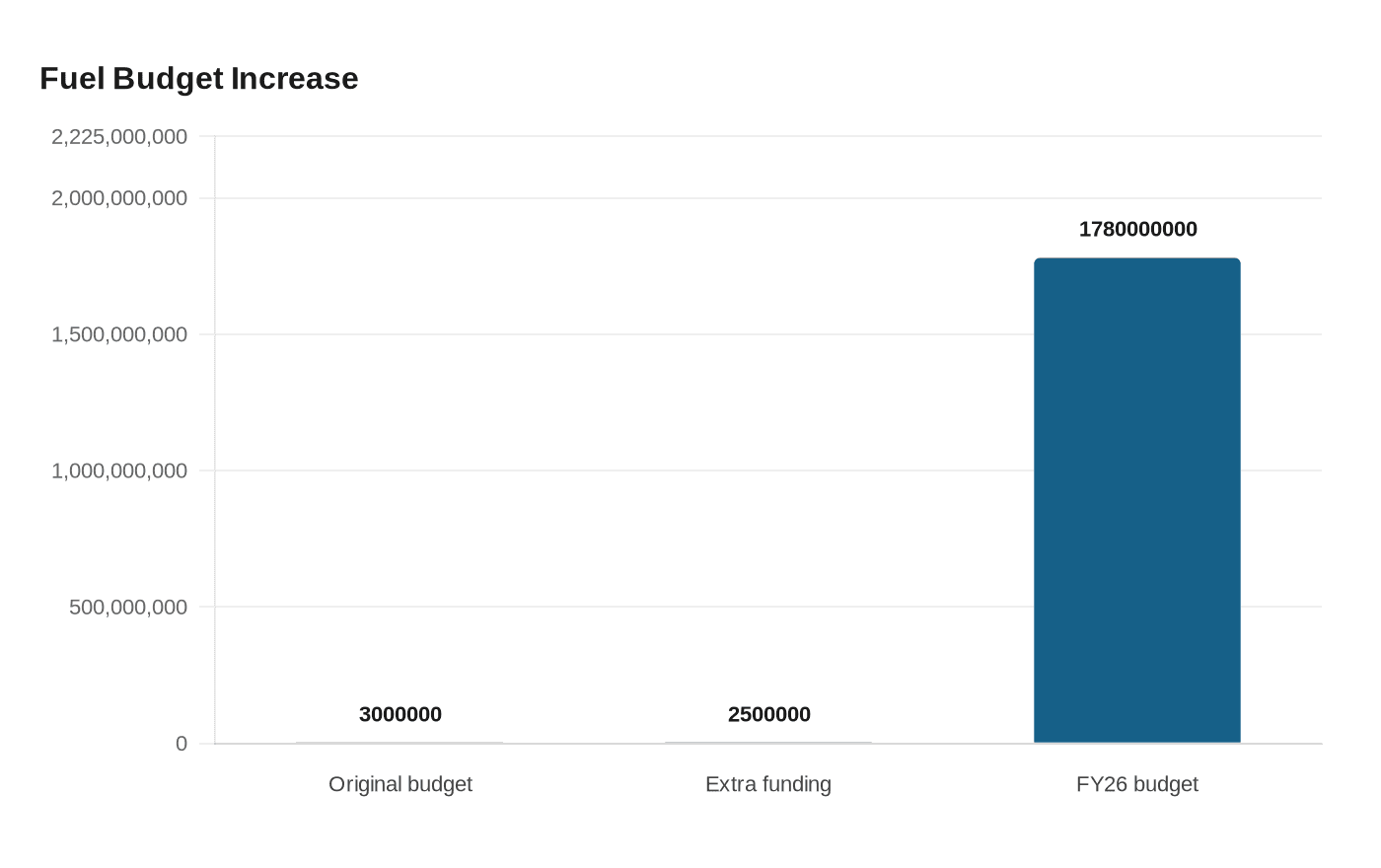
Raleigh’s broader FY26 budget was set at $1.78 billion and kept the property tax rate unchanged at 35.50 cents per $100 valuation. City leaders framed that budget around ongoing economic uncertainty, and the fuel adjustment shows how quickly operating costs can push a city budget off course even when the tax rate stays flat. For Wake County residents, the immediate effect is a City Hall trying to avoid visible cuts now while warning that fuel and power costs could force harder choices later over taxes, fees or service levels.
Know something we missed? Have a correction or additional information?
Submit a Tip