Raleigh budget plan could mean higher taxes, smaller spending
Raleigh’s budget fight came down to a simple household question: would a typical homeowner pay more, while the city still cut its spending priorities? The answer was costly either way.

A Raleigh homeowner with a median bill could have been staring at about $122 more a year if city leaders had paired a 1.7-cent property-tax increase with fee changes, a burden that landed hardest in Southeast Raleigh, where residents on fixed incomes said repeated hikes hurt. That debate exposed the city’s central dilemma: how to keep police, parks, maintenance and neighborhood services running in a fast-growing city without asking households to absorb more costs.
City Manager Marchell Adams-David presented Raleigh’s proposed FY2026 budget to the City Council on May 20, 2025, with a total spending plan of $1.78 billion. The proposal initially kept the property tax rate at 35.50 cents per $100 of assessed value, even as city officials warned that revenue growth was under pressure. Sales tax collections had flattened and made up 19.4% of general fund revenues, while property tax growth was budgeted at just 1.95% because of heavier-than-expected revaluation appeals and a slightly lower collection rate.
By early June, the discussion had sharpened around whether Raleigh should raise taxes at all, especially after last year’s increases and the latest property revaluations. One later proposal would have raised the tax rate by 1.7 cents per $100 of assessed value, a change WRAL estimated would add about $67 a year for the average household. Axios put the combined tax and fee impact at about $122 a year for the median Raleigh household.
In the end, the City of Raleigh approved the FY2026 budget without a tax increase, keeping the property tax rate at 35.50 cents per $100 valuation. But the budget still carried fee increases for Raleigh Water, Stormwater Services and Solid Waste Services, alongside major spending priorities that included workforce compensation, Dix Park, a second fire academy and cybersecurity.
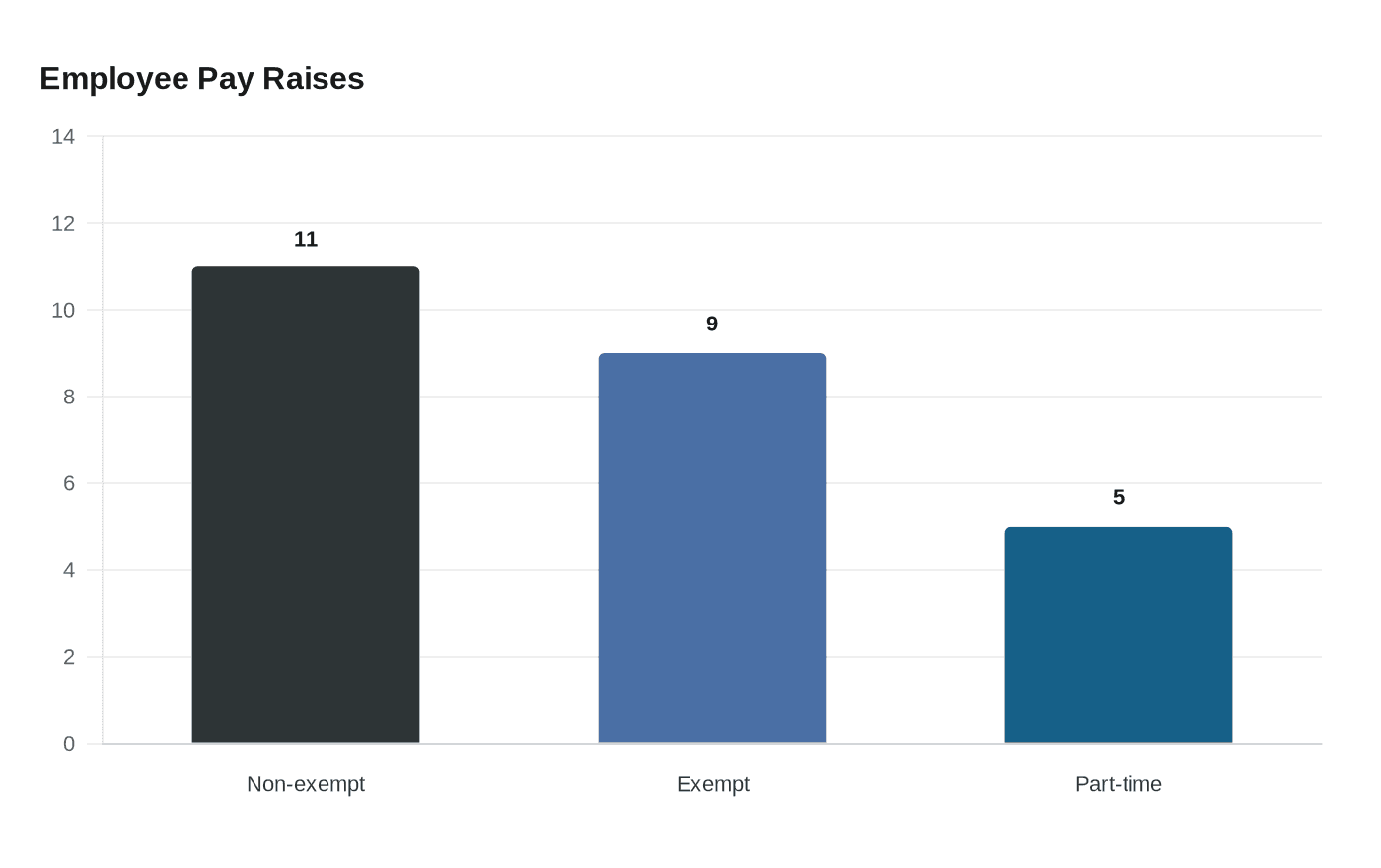
Those pay adjustments were a big part of the plan. Official budget documents said non-exempt and public safety employees were slated for 11% salary increases, exempt employees for 9%, and part-time employees for 5%, with higher starting pay for firefighters, police officers and telecommunicators. That spending pressure sat beside a regional backdrop in which Wake County’s own FY2026 budget also called for a property-tax increase, adding to the strain on homeowners across the county.
For Raleigh leaders, the choice was not simply tax or no tax. It was whether the city could fund rising labor, safety and infrastructure costs while asking residents already squeezed by housing and reassessment bills to pay for the city’s current level of service.
This article was produced by Prism’s automated news system from verified source data, official records, and press releases, then run through automated quality and moderation checks before publishing. The system is built and supervised by the people who set the standards it runs under. Read our full AI policy.
Did this article answer your question?