Raleigh-Cary home prices fall most in North Carolina as market cools
A 6.1% drop has cooled Raleigh-Cary, but a $427,000 average sale and 6.51% mortgage rates still keep many buyers on the sidelines.
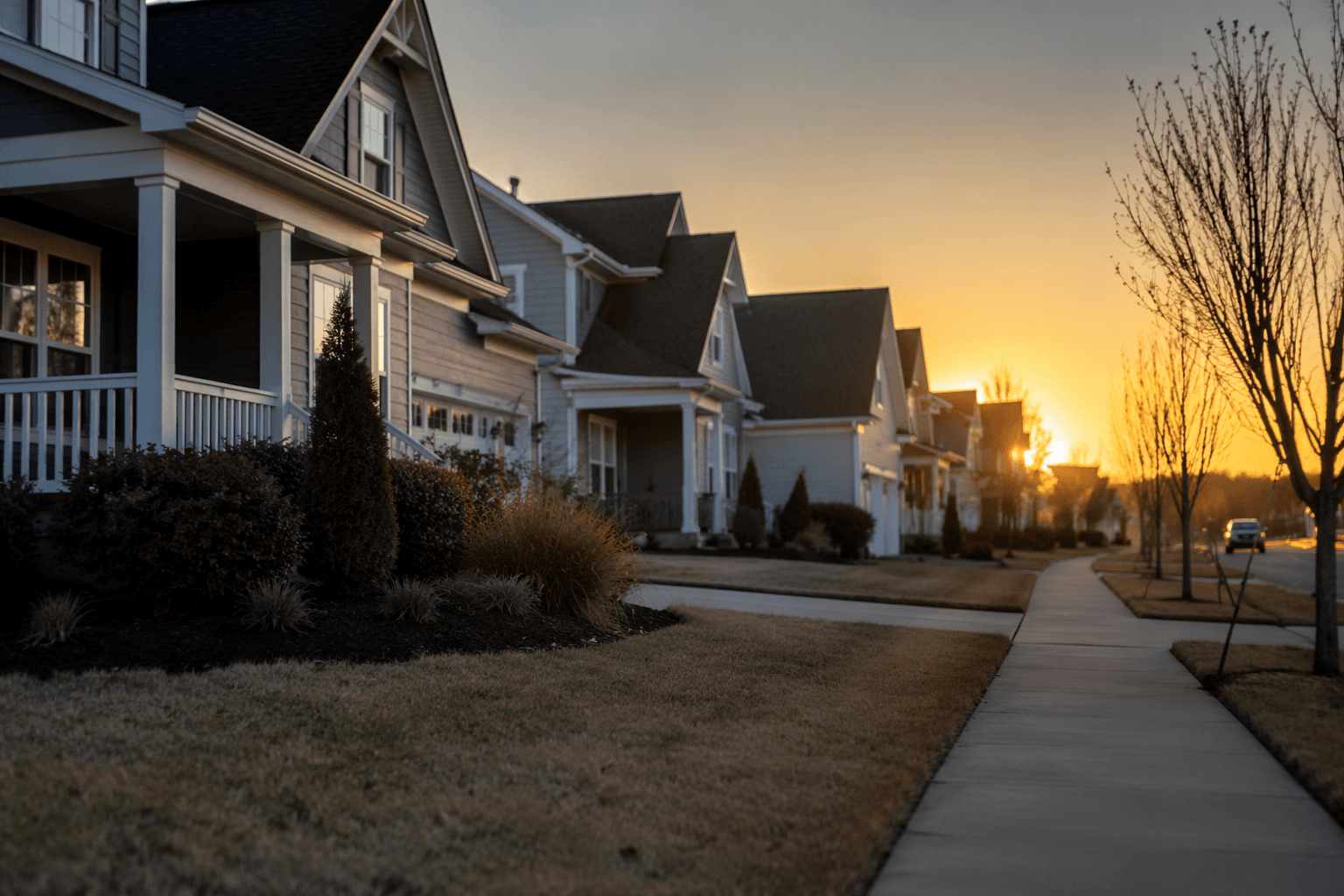
A 6.1% drop has not made Raleigh-Cary a bargain market. It has made the market less frantic, with more listings, more room to negotiate and fewer buyers forced into bidding wars, but affordability is still a hard stop for many Wake County households.
Raleigh-Cary has posted the steepest home price decline in North Carolina since the 2022 peak, outpacing Charlotte and Durham as higher interest rates and rising inventory cool demand. Even so, the metro remains one of the state’s strongest growth engines. March 2026 Census-related reporting ranked Raleigh-Cary as the 10th fastest-growing metro area in the country, and Wake County had the fifth most population growth of any county last year. That combination of rapid population gains and softer prices suggests a market that is rebalancing, not collapsing.
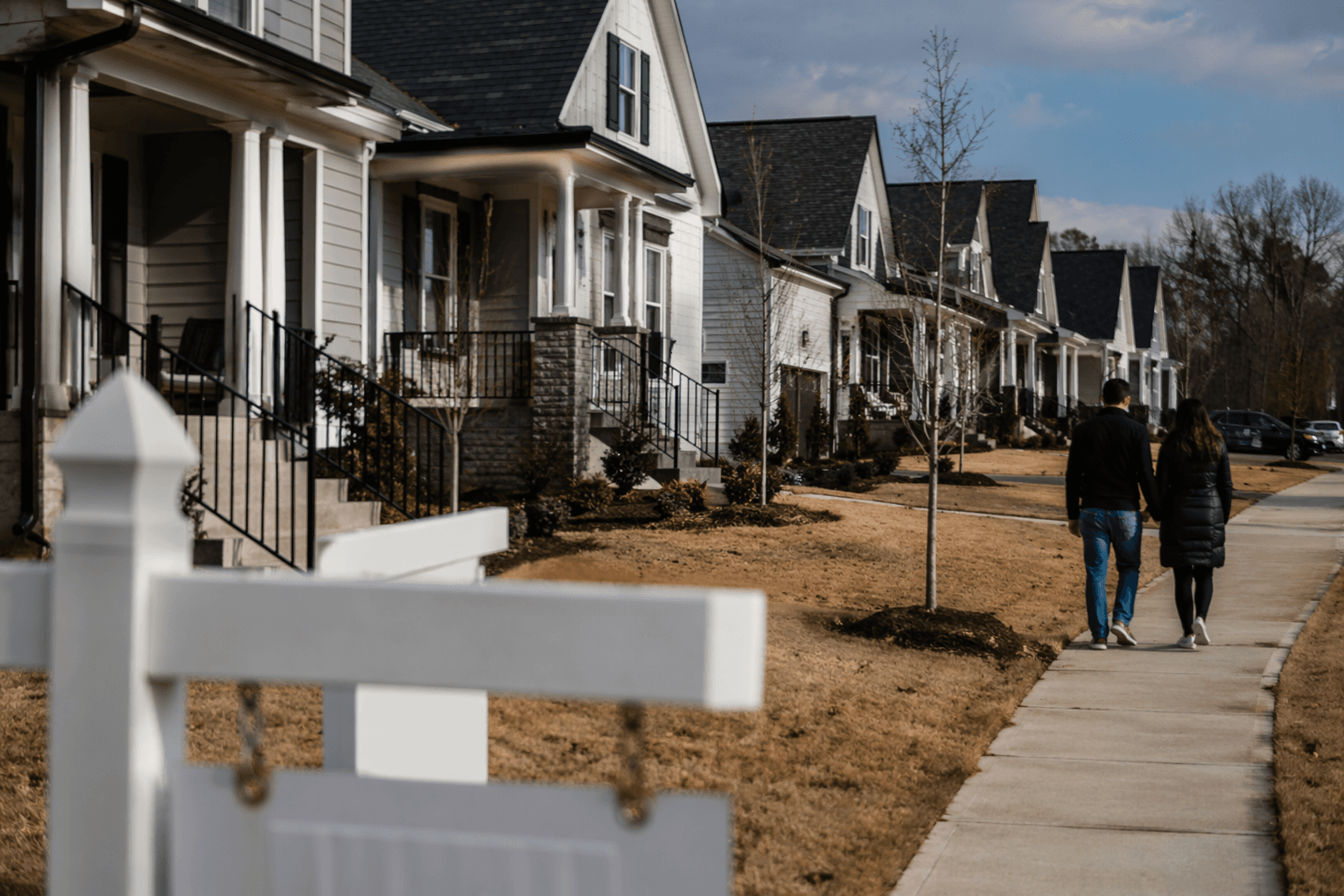
The numbers show why the correction still feels expensive. A local agent cited by ABC11 said the average sale price was about $427,000. At the average 30-year fixed mortgage rate of 6.51% on May 21, a buyer putting 20% down would face roughly $2,161 a month in principal and interest alone. On a $450,000 home, the monthly payment would be about $2,278 before taxes, insurance and HOA dues. For many first-time buyers, that is still a stretch even after prices eased.
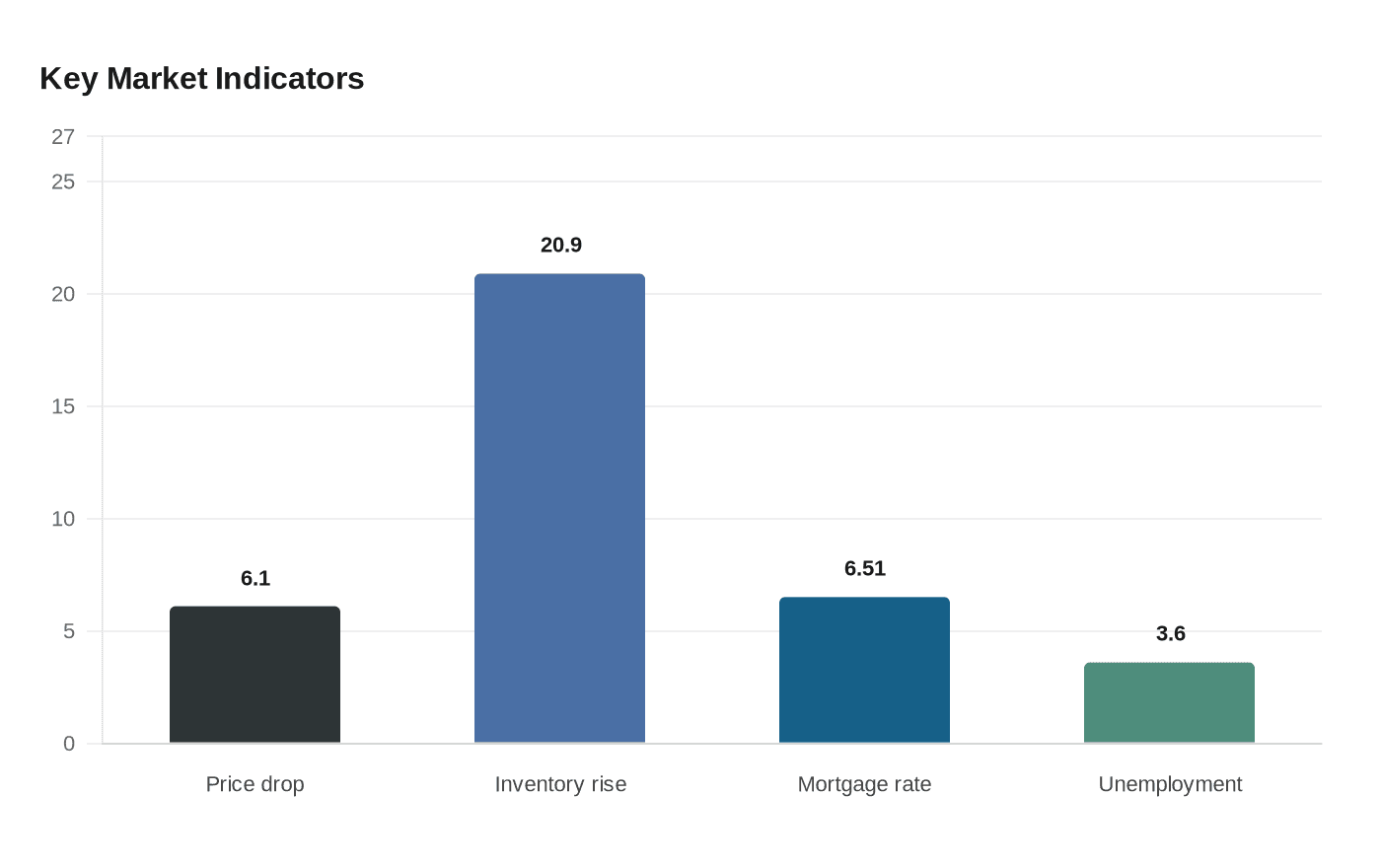
Inventory is part of the shift. ABC11 reported that supply is catching up with demand, giving buyers negotiating room not seen in more than 10 years. WRAL also reported that Wake County inventory rose 20.9% in January 2026, while the median home price was $450,000. That gives buyers more leverage than they had during the pandemic surge, especially those ready to move quickly and secure financing.
The long-run context helps explain why the market remains tight. Demographia classified Raleigh as severely unaffordable, with a median multiple of 5.1, and the Wake County Department of Affordable Housing and Community Revitalization has said the county faces a deficit of about 65,000 housing units. The Federal Housing Finance Agency’s house price index for Raleigh-Cary reached 363.79 in the fourth quarter of 2025, reflecting how far prices climbed from the long supply squeeze that followed rapid migration.
Jobs still support demand. Yardi Matrix reported Raleigh-Cary unemployment at 3.6% in November 2025 and net job growth of 19,600 over the 12 months ending in September 2025. That is why this looks less like a crash than a pause after the 2022 peak. Buyers have gained leverage, but in Wake County, leverage is not the same as affordability.
This article was produced by Prism’s automated news system from verified source data, official records, and press releases, then run through automated quality and moderation checks before publishing. The system is built and supervised by the people who set the standards it runs under. Read our full AI policy.
Did this article answer your question?

