Raleigh Council Unanimously Updates Ordinance, Bans Indoor Smoking and Vaping
Raleigh City Council unanimously updated the city’s clean indoor air ordinance to ban smoking and vaping indoors, closing a loophole and extending protections to e-cigarettes.

Raleigh City Council voted unanimously to update and reaffirm the city's ordinance keeping enclosed public spaces smoke- and aerosol-free, closing a loophole that had allowed certain indoor smoking in limited locations. The change explicitly brings newer products such as e-cigarettes under the city's protections and reinforces public-health measures intended to reduce secondhand smoke exposure.
The council acted on January 24, 2026, after the American Heart Association urged the update following identification of the existing loophole. Council members said the revision clarifies that both traditional tobacco smoking and aerosol-emitting devices are prohibited inside enclosed public places, removing ambiguity that had left some workers and patrons exposed to smoke and vapor in select settings.
City leaders framed the move as a worker-protection and public-health measure. Advocates argued the ordinance update will benefit service industry employees, health-vulnerable residents, and families who use public indoor spaces by reducing involuntary exposure to hazardous particulates and chemicals. The council noted that reaffirming the ordinance also modernizes local rules to reflect the proliferation of e-cigarettes and other aerosol products since the original measure was adopted.
For local businesses and venues, the update changes the compliance landscape by bringing any indoor spaces that previously fell into the narrow exemption into alignment with the smoke- and aerosol-free standard. That means restaurants, bars, workplaces, and other enclosed public areas in Raleigh now face a clearer prohibition on indoor smoking and vaping. The decision follows national conversations about indoor air quality and worker safety, and aligns Raleigh's rules with a broader public-health emphasis on covering aerosol-emitting devices.
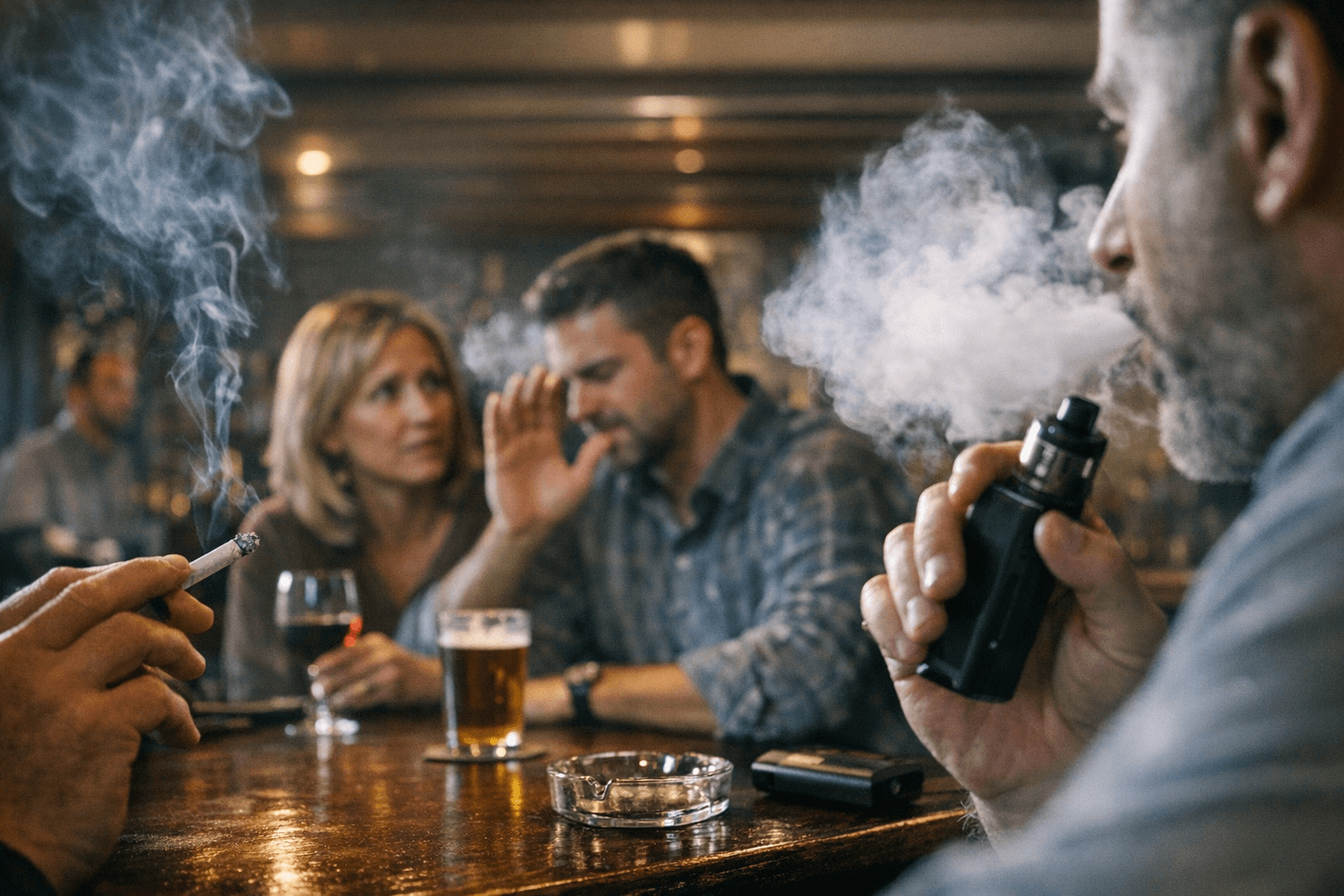
Residents and employees in Wake County can expect cleaner indoor air in public settings covered by the ordinance and a reduction in visible smoke and vaping-related odors. The update also simplifies enforcement by removing uncertainty about which devices and venues the rule covers, though city officials will need to communicate specifics about implementation, signage, and compliance timelines to affected businesses and the public.
Looking ahead, the council's unanimous vote signals a steadying local approach to public-health regulation as new nicotine delivery technologies evolve. Wake County residents should watch for city guidance on compliance details and any implementation dates; the policy change represents a practical step toward protecting workers and the public from secondhand smoke and aerosol exposure.
This article was produced by Prism’s automated news system from verified source data, official records, and press releases, then run through automated quality and moderation checks before publishing. The system is built and supervised by the people who set the standards it runs under. Read our full AI policy.
Did this article answer your question?