Raleigh data center rules allow hyperscale projects, but only with hurdles
Raleigh’s zoning map does not block hyperscale data centers, but a project would face rezoning, quasi-judicial review and big land, power and water hurdles.
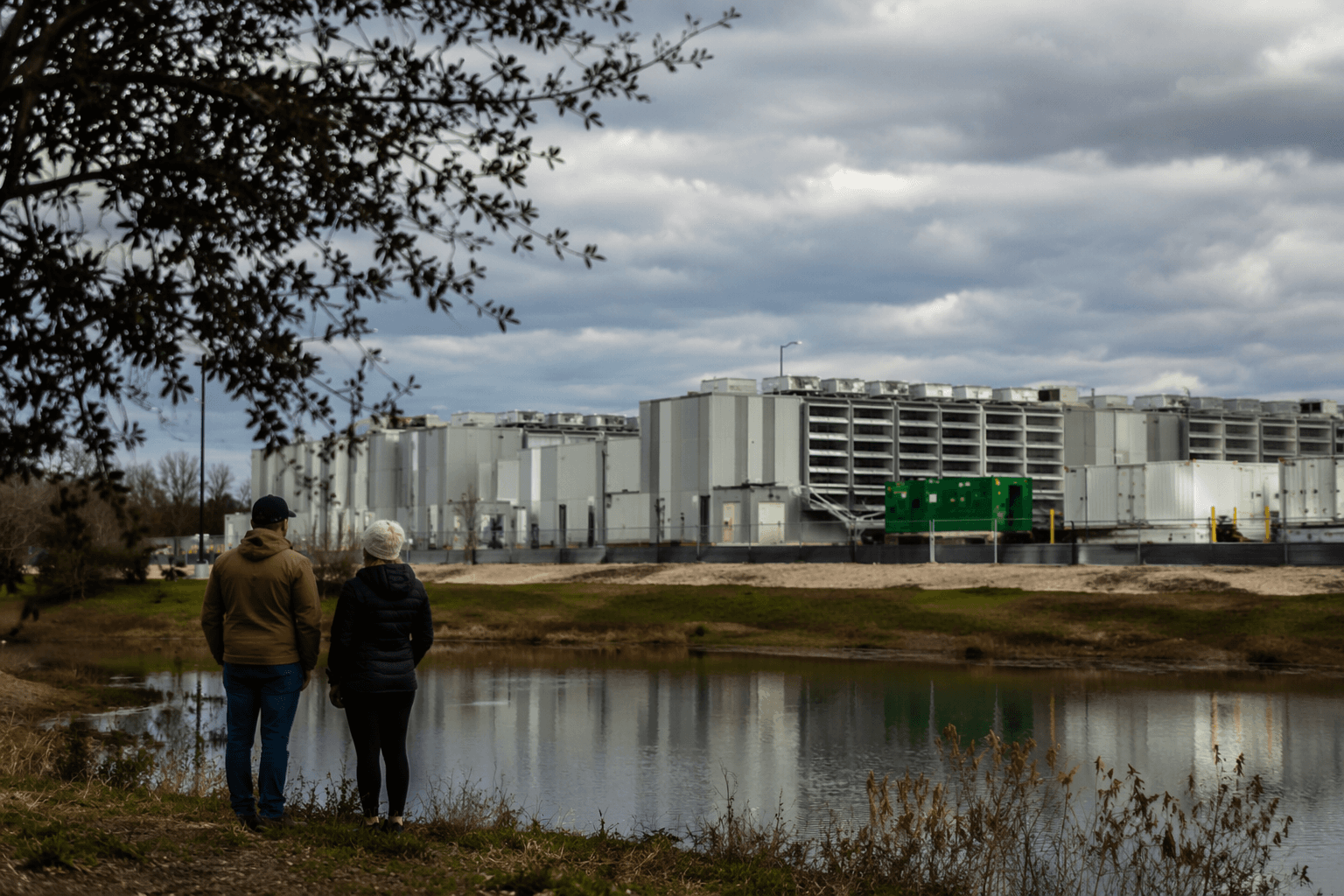
Raleigh has not shut the door on a hyperscale data center, but it has built a narrow one. A developer would likely need 100 acres or more, the right industrial-style zoning and, if the parcel is not already set up for that use, a rezoning or annexation fight that runs through City Council and then the Board of Adjustment. The stakes are not abstract: land values, electricity demand, water use and the neighborhoods closest to Raleigh’s largest remaining tracts would be where the pressure hits first.
Where a hyperscale campus could fit
Raleigh’s official zoning map is the legal document that assigns every parcel within the city’s jurisdiction a zoning designation. That matters because the city has not imposed a moratorium on new data centers, unlike some other Triangle communities, so the map does not automatically block one. The most relevant zoning categories are Heavy Industrial, Campus and Planned Development, with Raleigh’s broader special districts also including Conservation Management, Agriculture Productive, Manufactured Housing and others.
The catch is that Campus and Planned Development do not work like a simple by-right use. They require a master plan in addition to rezoning, which adds another layer of design, negotiation and public review. If a developer starts with a parcel that is not already zoned appropriately, the project likely has to clear either rezoning or annexation first, and both paths depend on City Council approval.
In practical terms, that pushes hyperscale projects toward the city’s biggest, least constrained parcels. The city staff presentation behind the reporting said these facilities would likely need 100 acres or more, which means the search would focus on large industrial tracts, edge-of-city land and properties with enough scale to handle buildings, substations, cooling systems and stormwater infrastructure without triggering immediate conflicts with surrounding uses.
Why the approval path is so difficult
Even after zoning, a data center can still face special-use review, and that is where Raleigh’s process slows down. Raleigh’s Board of Adjustment is a quasi-judicial body that hears variances, special use permits and zoning appeals, and Wake County describes special use permits as being granted through a quasi-judicial hearing and review process. That is a far more exacting path than a normal political zoning vote.
Raleigh’s Unified Development Ordinance says special uses require individual review because of the risk of incompatibility with adjacent uses. Before approving one, the Board of Adjustment must find that the project is compatible with nearby properties, that adverse impacts are mitigated or offset and that access for pedestrians, bicycles, vehicles and emergency services is adequate. For a hyperscale facility, that means traffic patterns, emergency access, building massing, screening and utility impacts all become part of the record.
That process gives neighbors and nearby businesses multiple chances to challenge the fit of the project, but it also gives the developer a long, technical path to approval if the site is strong enough. The result is a system that does not ban a data center on its face, yet makes it slower and harder than the kind of administrative approvals many people might expect.
The pressure points: power, water and land
The land-use debate is rising because the scale of modern artificial intelligence has changed what a data center can be. Raleigh already has smaller facilities that serve hospitals and banks, but those are not the same as hyperscale campuses built for AI-driven computing needs. Larger campuses can consume massive amounts of power and water, which is why they are drawing more scrutiny in North Carolina and beyond.
Recent reporting from WRAL has tied AI-driven hyperscale facilities to rising electricity and water demand across the state. The North Carolina Collaboratory has gone further, saying North Carolina hosts dozens of operating data centers and still has more in the planning and construction pipeline. The Collaboratory also projects that net load on Duke Energy Carolinas and Duke Energy Progress could rise between 16% and 60% over the next 15 years, with much of that growth tied to data-center demand.
For Raleigh, the other obstacle is simple economics. City staff warned that land values may make this kind of project hard to justify, and that warning matters in a city where a hyperscale campus needs a very large footprint but may not generate the same kind of broad job base as other development. A big data center can strengthen the tax base, but it can also lock in a large parcel for one specialized use and put long-term pressure on utilities, water planning and nearby redevelopment patterns.

What Apex already showed the Triangle
The cautionary example sits just down the road in Apex. Natelli Investments LLC proposed a 250-megawatt campus on an 89-acre site near the Shearon Harris Nuclear Plant, with four data centers of 200,000 square feet each. The company said the project would have created 5,800 construction jobs and generated $20.7 million in tax revenue, which shows why these projects can look attractive to local governments before the land-use fallout is fully understood.
But the public response also showed how quickly resistance can harden. Apex’s mayor pro tempore said he would push for a one-year moratorium to give the town time to update its UDO, and on April 14, 2026, the Apex Town Council unanimously approved a 12-month moratorium on data centers, data processing facilities and cryptocurrency mining operations. That move underscored how quickly local governments can decide that the rules need to catch up before another mega-project arrives.
What Wake County should watch next
Raleigh is still deciding how much of the AI buildout it wants to absorb, and whether it will eventually set its own guardrails the way nearby towns already have. The key question is not whether a hyperscale campus can be approved in theory, but where the city is willing to place the burden of power upgrades, water demand, truck traffic and land assembly.
That is why the next fight is likely to start long before a formal vote. It will start with large parcels, zoning districts and utility plans, then move into quasi-judicial hearings where the city has to weigh compatibility, access and mitigation against the reality of a data center that can reshape an entire tract of land. By the time the public sees a polished site plan, the real decision may already be underway: whether Raleigh wants to reserve its biggest remaining land for the AI era, or draw limits before the costs become harder to contain.
This article was produced by Prism’s automated news system from verified source data, official records, and press releases, then run through automated quality and moderation checks before publishing. The system is built and supervised by the people who set the standards it runs under. Read our full AI policy.
Did this article answer your question?