Raleigh Faces Possible Property Tax Hike Amid Budget Shortfall
Raleigh Mayor Janet Cowell says a tax loophole is draining $6M from city coffers, and homeowners could face a property tax hike to make up the gap.
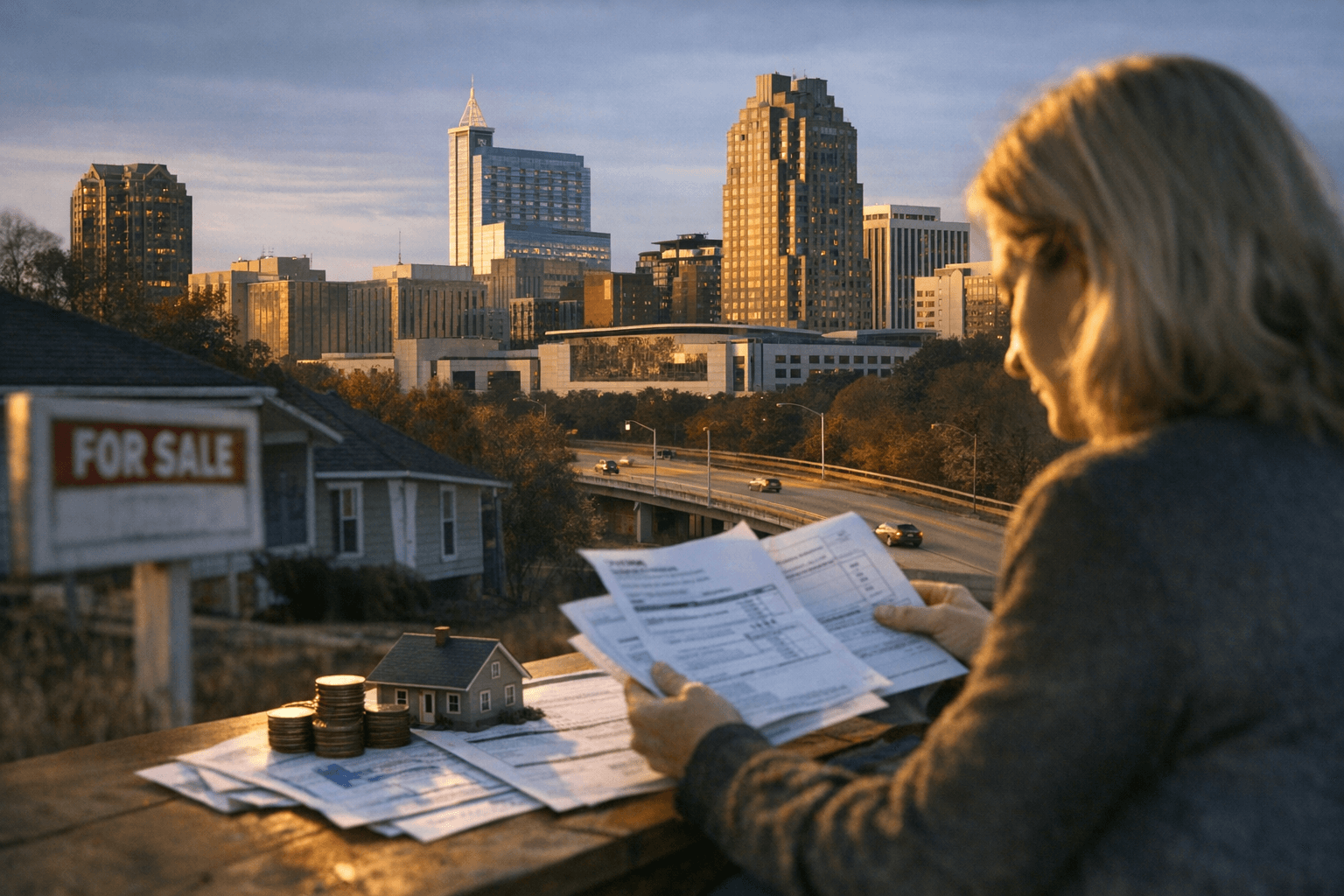
Raleigh homeowners who have watched their city property tax bill hold steady at 35.50 cents per $100 valuation may soon face an increase. Mayor Janet Cowell is raising the alarm over a growing revenue gap tied to affordable housing property tax exemptions that she says are being exploited as a loophole, and she has made clear the math leaves the city with two uncomfortable choices.
"This is starting to snowball," Cowell said. "We could see an erosion of tens of millions of dollars." The city is already feeling the impact: Raleigh will miss out on $6 million in property tax revenue this year because of these exemptions.
Cowell has been direct about what the shortfall means for residents: "We'd either have to cut services or raise taxes on single family or town home owning residents," she said, adding the city would "either raise taxes on homeowners to make up for that or not" provide the same level of services.
For the typical Raleigh homeowner, the stakes are concrete. The median home value in the city sits around $391,705, putting the annual city property tax bill at roughly $1,391. Any rate increase would push that figure higher, and Raleigh homeowners also carry a separate Wake County tax: Wake County adopted a tax rate of 51.71 cents per $100 of valuation for fiscal year 2026, meaning the combined city-county rate for a Raleigh property already stands at 87.21 cents per $100.
Cowell, who has been in elected office for more than 16 years, called the loophole situation "one of the most egregious tax loopholes that I've ever heard of." The exemptions in question are tied to properties that claim nonprofit affordable housing status but appear to be shielding revenue that city officials say should be taxable.
The shortfall arrives as Raleigh prepares to enter its fiscal year 2027 budget process. City Manager Marchell Adams-David, who navigated a $1.78 billion budget for FY2026 without a tax rate increase, will face pressure to either close the loophole legislatively, identify offsetting spending cuts, or propose a rate adjustment when budget discussions intensify in the coming weeks.
State lawmakers have added a layer of complexity to the picture. The NC House is examining a potential constitutional amendment that would limit how much local governments can raise through property taxes each year, which could constrain Raleigh's flexibility even if the city council ultimately opts to raise rates to cover the gap.
The FY2027 budget must be adopted before the new fiscal year begins July 1.
This article was produced by Prism’s automated news system from verified source data, official records, and press releases, then run through automated quality and moderation checks before publishing. The system is built and supervised by the people who set the standards it runs under. Read our full AI policy.
Did this article answer your question?