Raleigh Farmers Market Vendors Struggle as Fuel Costs Soar Amid U.S.-Iran Conflict
Sandra Garner drives 75 miles from Snow Hill to sell beef and lamb at the Raleigh Farmers Market. Now, with diesel topping $5 a gallon, she's not sure how long she can keep coming.
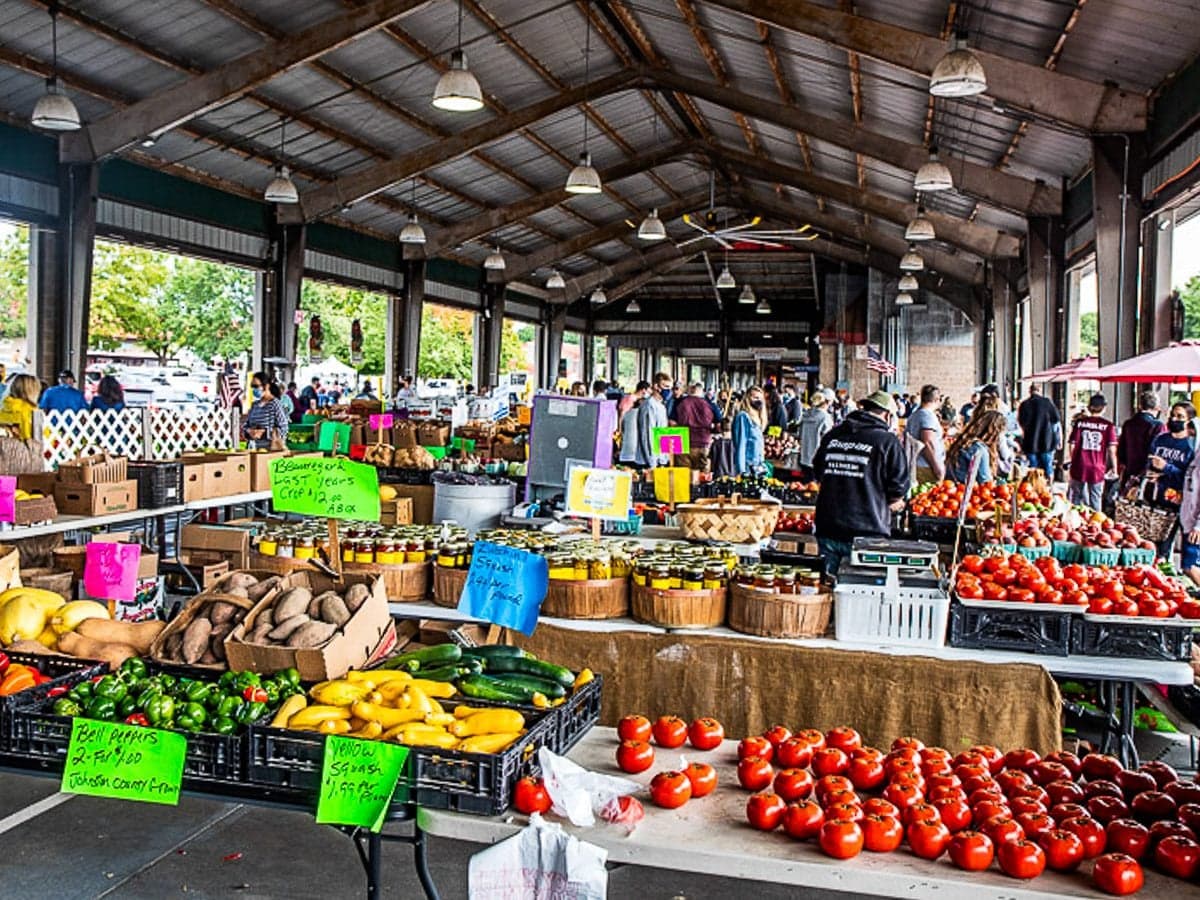
Sandra Garner has been farming since 1746 by family lineage, and she has made the trip to the Raleigh Farmers Market for 23 years. What she cannot control is what it costs to get there.
Her freezers packed with beef, pork, chicken, and lamb have long drawn loyal customers, but the war in Iran is now hitting her livelihood where it hurts most: the drive. "Coming to the market…about 75 miles one way, so it's very expensive," Garner said. "Then your electricity, your heat…everything has just gone up tremendously."
The biggest cost increase for Garner is transporting the meat from her Snow Hill farm to Raleigh. She drives a van that gets 16 miles per gallon, and her daughter drives a diesel truck. Filling that truck has become staggering: "She said it was way over $100 to get a quarter of a tank of diesel," Garner said. "People don't have but so much money to spend."
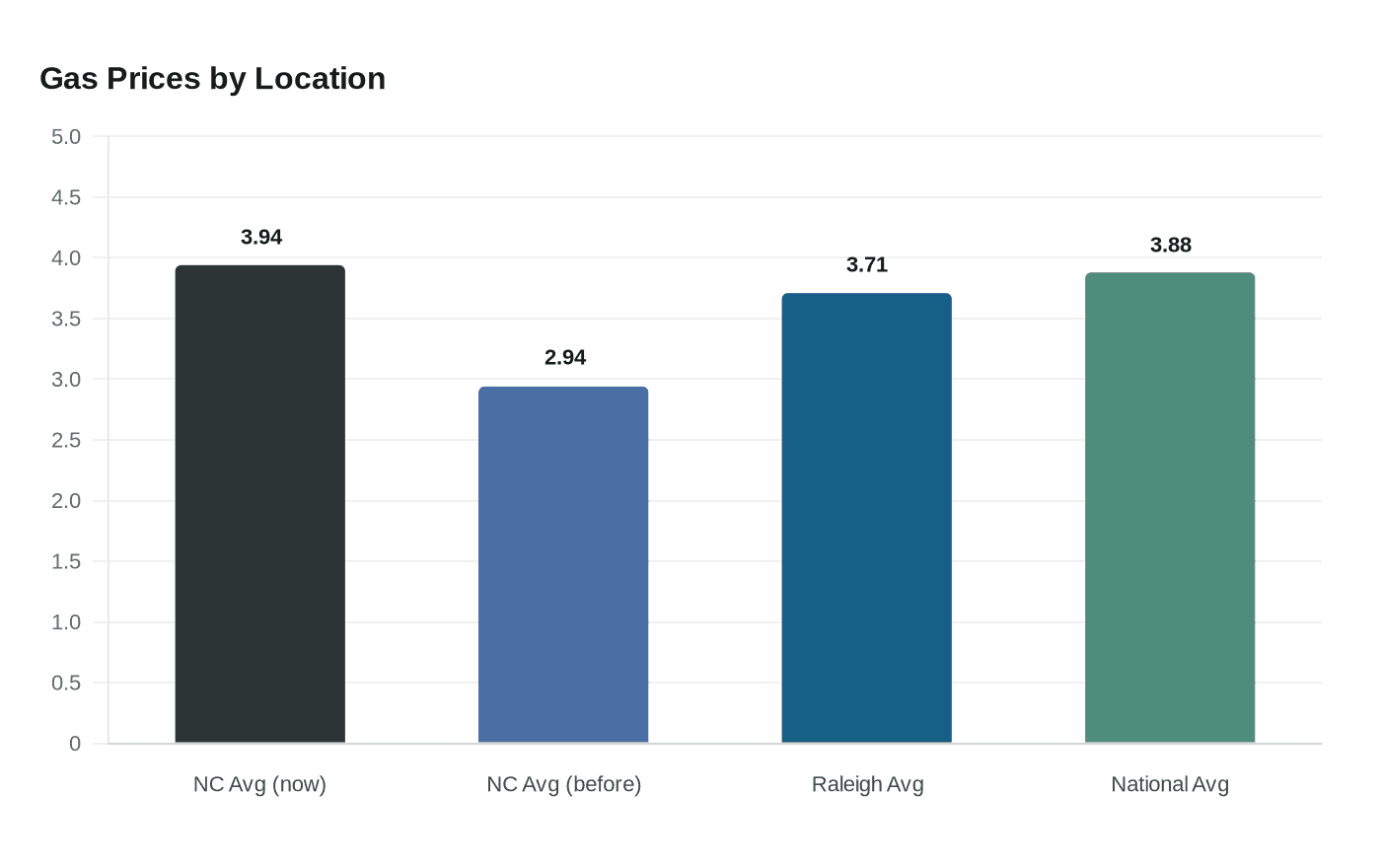
Gas prices around North Carolina have jumped by an average of $1 to $3.94 per gallon since the war began on Feb. 28. In Raleigh, the average reached $3.71 per gallon, up 98 cents over the last month. Nationally, drivers were paying an average of $3.88 for a gallon of regular gasoline as of March 19, a roughly 30% increase since the United States and Israel attacked Iran.
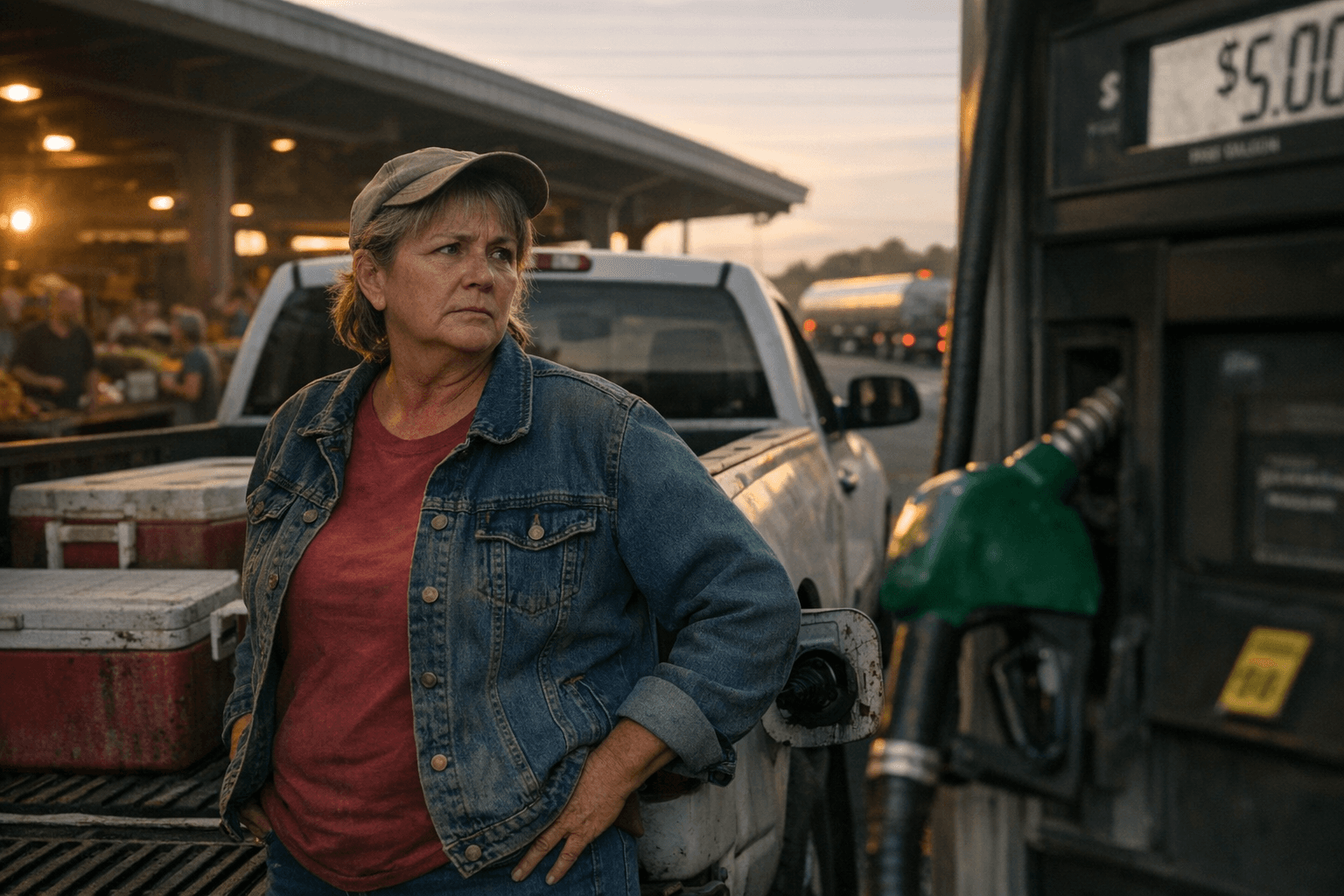
Judy Montague, who runs Homeplace Farm with her husband, is absorbing the same shock at a different stall a few spaces down. "My husband has a diesel truck, and diesel is now $5 a gallon, so it does hurt," Montague said. Montague said she has had to "cut back on other things" in order to continue going to the Farmers Market.
The fuel squeeze extends beyond the pump. Oil is used in industries far beyond electricity generation, including fertilizer and plastics production. Nitrogen fertilizer has increased by more than 30% since Iran began attacking ships aligned with the United States and its allies passing through the Strait of Hormuz. That means farmers like Garner and Montague are getting hit twice: once when they plant, and again when they load the truck.
When the conflict began, all shipping through the Strait of Hormuz was effectively halted, removing roughly one-fifth of the world's oil and gas supply from the market, and fuel prices throughout the world spiked and will likely remain elevated as long as the conflict persists. Higher diesel prices carry an inflationary impact on nearly all goods in the economy, because diesel powers farm equipment, construction equipment, and the trucks, ships, and many trains that carry goods around the world.
Governor Roy Cooper has highlighted how spiking gas prices tied to the conflict are hurting Raleigh Farmers Market vendors and threatening Wake County's broader local economy.
Garner said she wants to hold the line for her customers. "I've seen diesel very high, much higher than it is right now, [and] I've made it through all the years," Garner said. "We're trying to hold the prices down to what they've been for the last year or two, and it's difficult." She added that while she could raise prices to offset her rising costs, it likely won't make a difference until the war in Iran ends.
If the pressure continues, some vendors risk being priced out of the market altogether, cutting off the direct link between North Carolina's generational farm families and the consumers who depend on them.
This article was produced by Prism’s automated news system from verified source data, official records, and press releases, then run through automated quality and moderation checks before publishing. The system is built and supervised by the people who set the standards it runs under. Read our full AI policy.
Did this article answer your question?

