Raleigh Funds E-Waste, Green Tech, and Small Business Climate Initiatives
Raleigh funded the Kramden Institute's e-waste events and a Sustainability Connector to back green tech startups and small businesses in underserved Wake County communities.
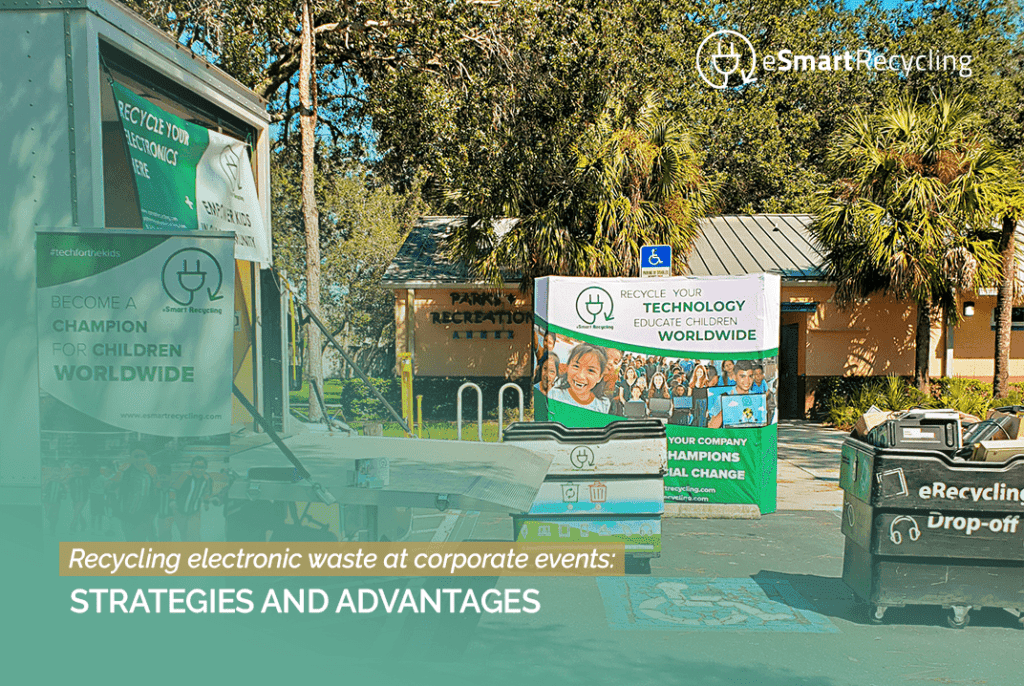
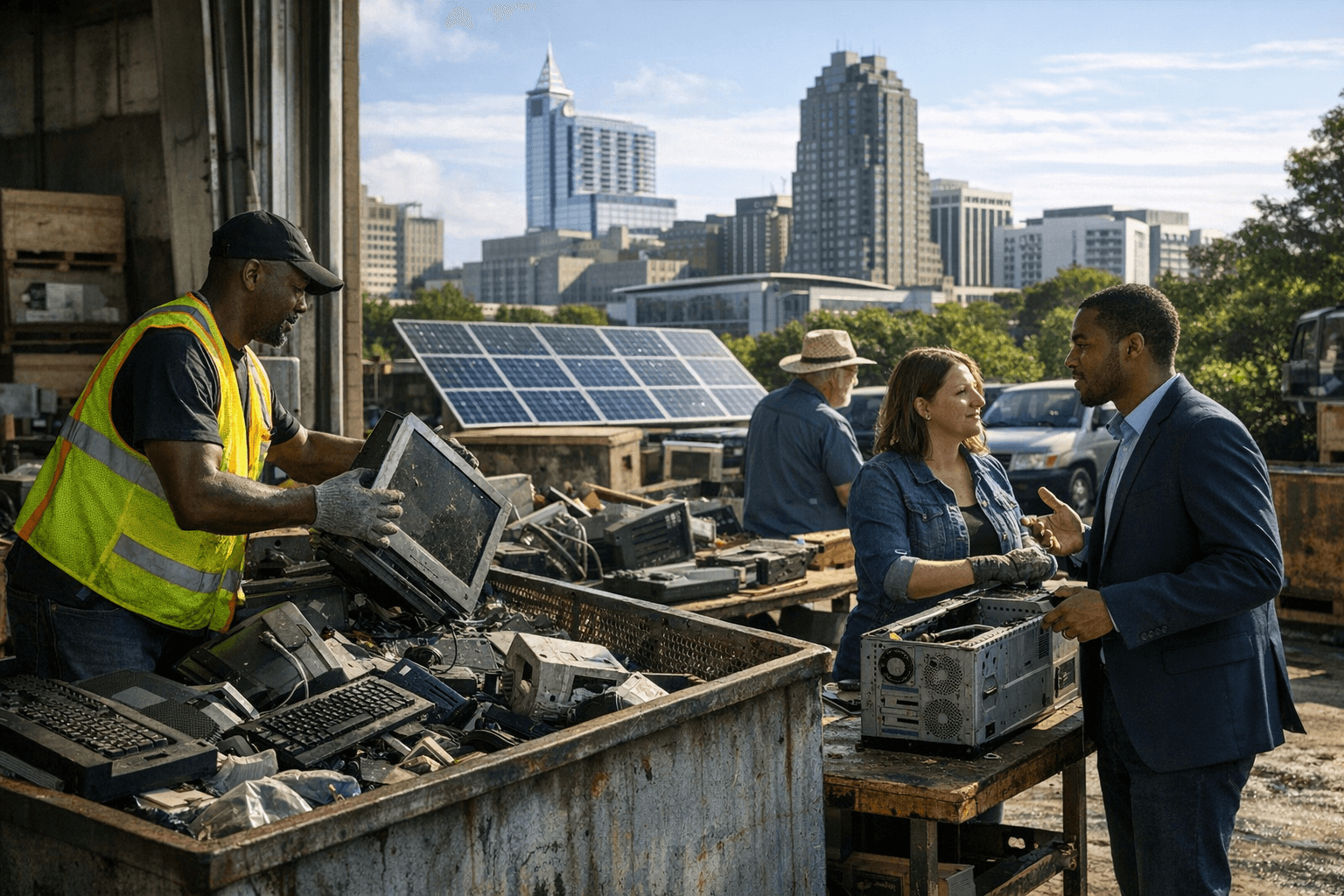
The City of Raleigh has directed funding toward a cluster of climate and small business programs, including e-waste collection events run by the Kramden Institute, a Sustainability Connector platform, an ADU Accelerator, and a Startup Week focused on climate technology.
The Kramden Institute, a Durham-based nonprofit known for refurbishing donated electronics for students in need, was tapped to run the e-waste component, connecting disposal with reuse rather than landfill diversion alone. The pairing signals Raleigh's intent to treat environmental programming as an economic opportunity, not just a compliance exercise.
The ADU Accelerator targets homeowners navigating the permitting and financing hurdles around accessory dwelling units, a tool the city has increasingly promoted as both a housing density strategy and a pathway to income for property owners in lower-wealth neighborhoods. The program's inclusion in a climate funding package reflects Raleigh's broader framing of green development as inseparable from affordability and equity.
The Sustainability Connector and climate-focused Startup Week round out the portfolio by addressing the pipeline of green businesses entering the Wake County economy. Startup Week, structured around climate tech, is designed to surface and support entrepreneurs whose work intersects with the city's sustainability goals, while the Sustainability Connector functions as an infrastructure for linking those businesses to resources and institutional partners.
City officials framed the funding as a coordinated push to support small businesses and disadvantaged communities simultaneously, rather than treating environmental investment and economic equity as separate policy tracks. That framing places Raleigh alongside a growing number of mid-sized American cities attempting to use climate funding as a vehicle for closing opportunity gaps.
The full scope of dollar amounts tied to each program was not specified in the city's announcement, but the breadth of the initiative, spanning waste diversion, housing, and startup development, suggests a sustained institutional commitment to green economic development across Wake County.
This article was produced by Prism’s automated news system from verified source data, official records, and press releases, then run through automated quality and moderation checks before publishing. The system is built and supervised by the people who set the standards it runs under. Read our full AI policy.
Did this article answer your question?