Raleigh Implements New Decibel Limits for Bars and Clubs
New citywide rules limiting noise from Raleigh bars, clubs and restaurants took effect Jan. 1, 2026, replacing the old "reasonable person" standard with specific decibel limits that vary by location and time. The ordinance, approved by City Council in October 2025, aims to balance a vibrant nightlife with residents' right to sleep and creates a new enforcement process for complaints.

Raleigh began enforcing a revised noise ordinance on Jan. 1, 2026, instituting precise sound-level ceilings for commercial establishments across the city. The change replaces the subjective "reasonable person" test with measurable decibel standards that differ by time of day and by zone, with a special hospitality district in Glenwood South granted higher allowances and later hours.
Under the new rules, citywide maximums during daytime and early evening hours set higher limits to accommodate business activity. For example, limits of about 70 dB(A) and 75 dB(C) apply from 10 a.m. to 10 p.m. Sunday through Thursday, with comparable daytime allowances Friday and Saturday but a later cutoff. Nighttime limits are stricter: roughly 55 dB(A) and 60 dB(C) after 10 p.m. Sunday through Thursday, and after 11 p.m. on weekend nights. The Glenwood South hospitality zone will be permitted higher levels in identified windows on weekend nights, with allowances that can reach up to 92 dB(C) in certain circumstances.
Enforcement begins with resident complaints submitted through the city's Ask Raleigh portal. The Raleigh Police Department will dispatch a non-sworn code enforcement unit to respond to reported violations. Penalties escalate over repeated offenses: the ordinance calls for warnings for the first two violations, a $1,500 fine for a third violation, and additional fines that can be accompanied by up to an 18-month ban on outdoor speakers for repeat offenders.
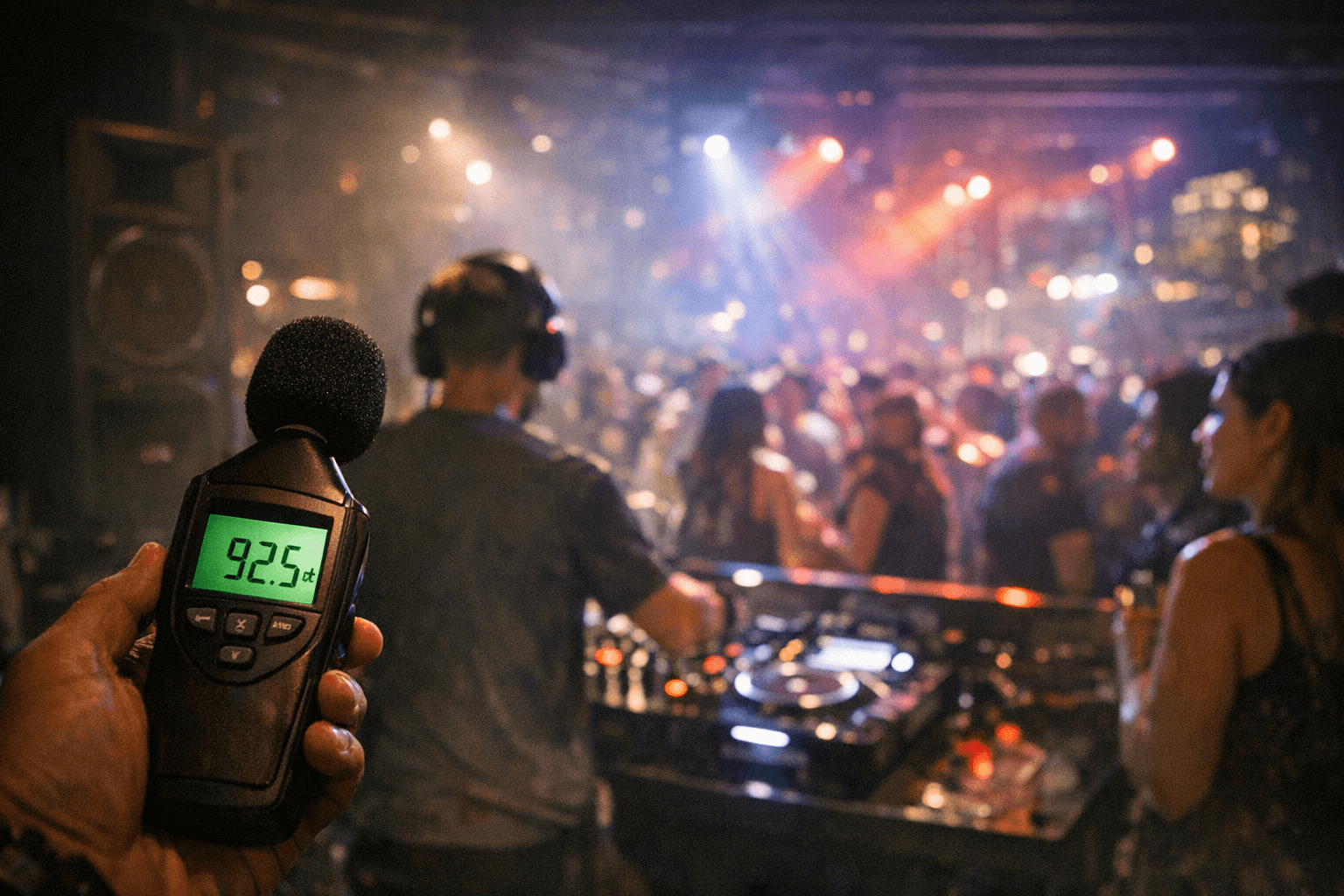
The ordinance is likely to have immediate effects on downtown nightlife, outdoor patios, live music venues and nearby residential neighborhoods. Business owners have expressed concern about the potential impacts on nightclubs and larger venues that rely on louder sound levels for performances and dance floors. City officials, including Mayor Janet Cowell, framed the ordinance as an attempt to strike a balance between economic life and community quality of life, emphasizing residents' ability to sleep.
For Wake County residents, the new rules provide clearer standards for what constitutes excessive noise and a defined pathway to seek enforcement. Venues in commercial corridors should review the new decibel thresholds and anticipate targeted responses to complaints, while residents who experience late-night noise now have a specific portal to report disturbances. The ordinance formalizes an enforcement framework intended to reduce neighborhood conflicts over sound while preserving pockets of late-night activity under narrowly defined conditions.
This article was produced by Prism’s automated news system from verified source data, official records, and press releases, then run through automated quality and moderation checks before publishing. The system is built and supervised by the people who set the standards it runs under. Read our full AI policy.
Did this article answer your question?