Raleigh Man Arrested in 1998 Wake County Rape Case After DNA Match
A 28-year-old Christmas Eve rape kit linked Darrell Jermaine Debnam, 48, to a 1998 assault in western Wake County, producing a CODIS DNA match and a second-degree rape charge.
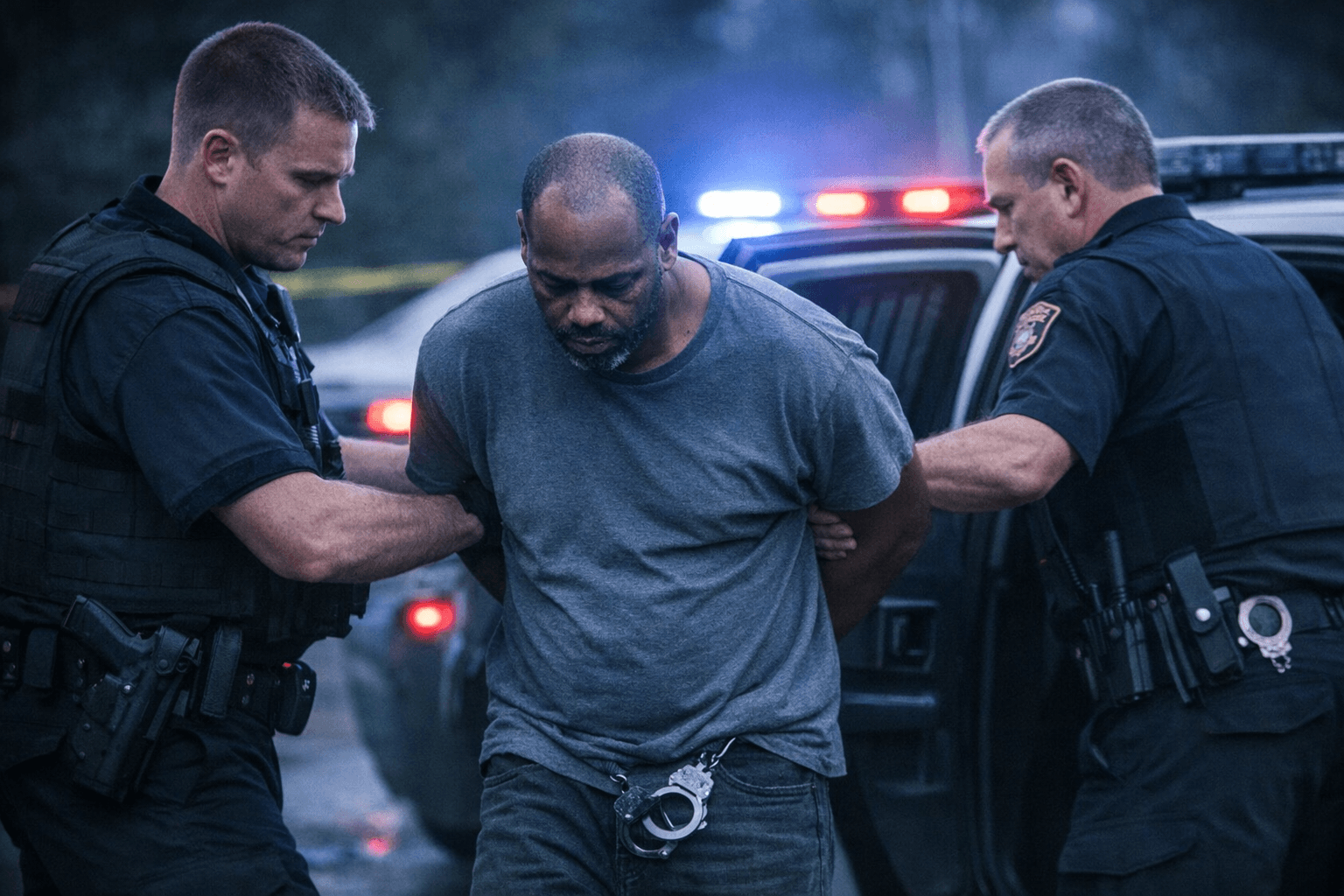
A sexual assault kit from Christmas Eve 1998, preserved in Wake County evidence storage while the case sat cold for nearly three decades, produced the DNA match that led to the arrest of Darrell Jermaine Debnam, 48. Debnam was booked into the Wake County jail and charged with second-degree rape after the kit's DNA profile was run through a national forensic database and came back pointing directly to him.
The investigative chain stretched from a December 24, 1998 report, when deputies in western Wake County were first told of the alleged assault, to a modern forensic system that now holds millions of DNA profiles drawn from convicted offenders, unsolved crime scene evidence, and missing persons cases nationwide. When investigators in 1998 found themselves unable to identify a suspect, they preserved the sexual assault kit and kept the case file active. As laboratory technology improved, the sheriff's office submitted the kit for analysis, uploaded the resulting DNA profile to the Combined DNA Index System (CODIS), and received a positive match linking the biological evidence to Debnam.
Sgt. Wyatt Horton of the Wake County Sheriff's Office described the long gap between the original assault and the arrest in unsparing terms. "We are unable, at the time, to identify the suspect," Horton said. "At that time, the case went cold. We still continued to follow up on leads, however, nothing panned out." He called the CODIS hit a "great milestone" and credited the expansion of forensic databases for making it possible to revive cases long thought unresolvable. "Law enforcement officers are using this system to bring back to life cases that we thought were going to go anywhere," he said.
Sheriff Willie Rowe tied the outcome directly to the survivor. "No matter when a crime occurred, the Wake County Sheriff's Office will not stop until it is closed. We are thankful for the advancement in technology that helped make this arrest possible. We hope this arrest provides some measure of peace for the survivor," Rowe said.
The arrest followed consultation with the Wake County District Attorney's Office and now moves into pretrial proceedings. Prosecutors and defense counsel will work through the evidentiary challenges that come with any decades-old case: questions of witness memory, the chain of custody for physical evidence preserved across nearly 30 years, and the availability of records from 1998.
The Debnam arrest reflects a pattern within the Wake County Sheriff's Office that goes beyond a single success. In 2025, the agency used advanced DNA testing on a preserved hair sample and forensic genealogy to identify the victim of a 1968 homicide in southern Wake County, a case that had gone 57 years without resolution. Both breakthroughs point to an active and systematic approach to revisiting old evidence as laboratory capabilities evolve, rather than waiting for new leads to arrive on their own. The sheriff's office has not announced a formal cold case retesting initiative by name, but the back-to-back closures signal that evidence preservation and periodic resubmission to CODIS have become standard practice rather than exceptional measures.
Horton closed with a direct warning to anyone who has committed a crime and never been charged. "We're going to find you; it's nothing but a matter of time. It may have happened years ago, but we will find you," he said. He encouraged victims of unsolved crimes not to give up hope. Anyone with information about an unsolved case in Wake County can submit a tip to the Wake County Sheriff's Office through the criminal investigations division on the county's official website, or reach the office through its general public contact portal.
This article was produced by Prism’s automated news system from verified source data, official records, and press releases, then run through automated quality and moderation checks before publishing. The system is built and supervised by the people who set the standards it runs under. Read our full AI policy.
Did this article answer your question?