Raleigh man sentenced for selling counterfeit airbags online
A Raleigh man was sentenced to about a year in federal prison after selling roughly 2,500 counterfeit airbags on Facebook Marketplace, while employed by the North Carolina Department of Transportation. The case highlights safety and consumer risks for local drivers who buy vehicle parts online, and raises questions about enforcement and employee oversight.
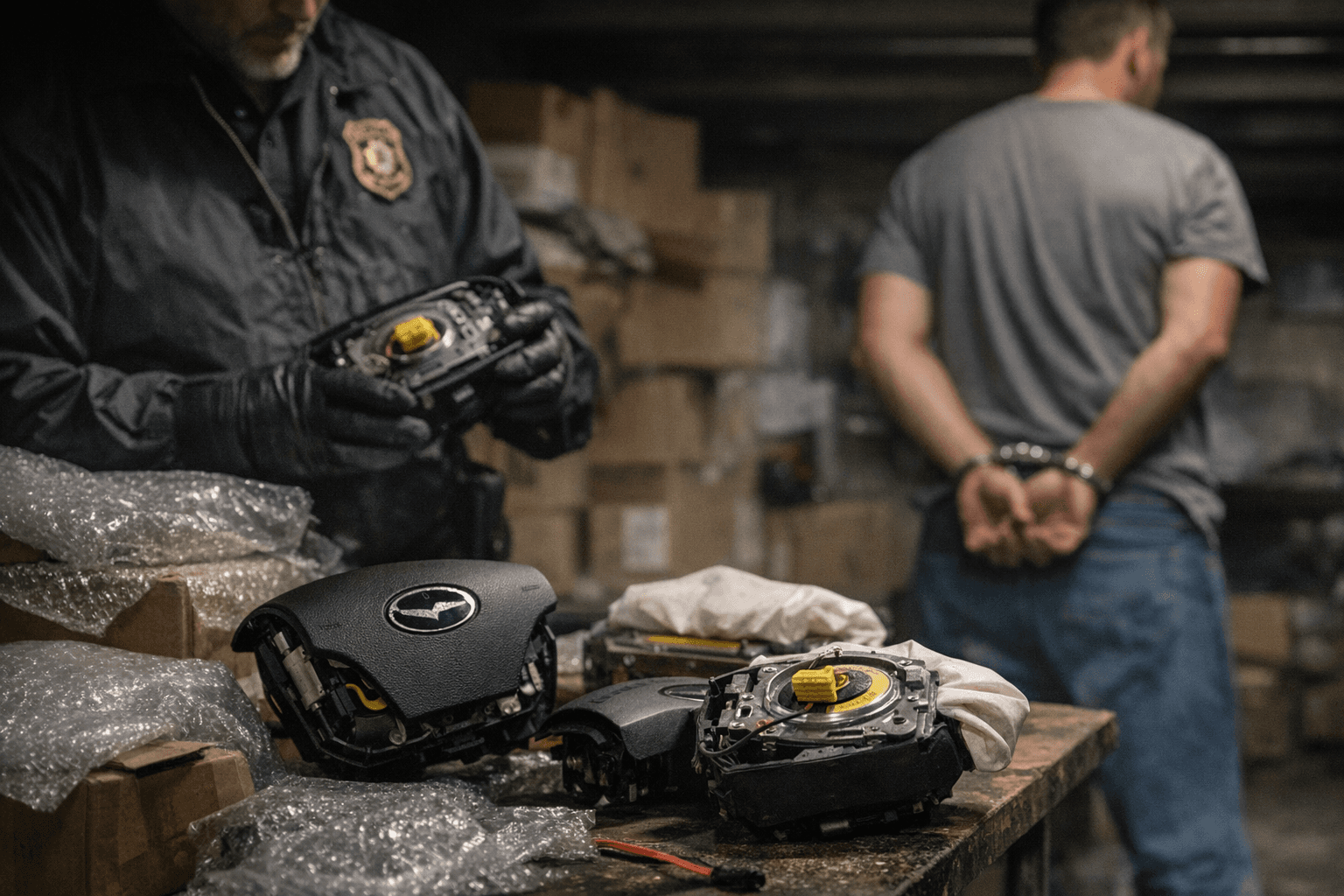
Federal prosecutors secured a sentence of about one year in federal prison for Mateen Mohammad Alinaghian after investigators determined he imported and sold counterfeit airbags in the Raleigh area. Court records show Alinaghian brought approximately 2,500 airbags into Raleigh from the United Kingdom between May 2022 and April 2024, advertising under seller names such as "Matt AutoParts" and "Medo Smith." The court ordered $83,405.95 in restitution to victims and car manufacturers, and forfeiture of $154,693.16.
Federal investigators said the replacement airbags were tested by Honda, General Motors and Toyota, which concluded the parts were not manufactured by the car companies and contained low quality materials. The U.S. Attorney’s Office of the Eastern District of North Carolina said, "In testing, the counterfeit airbags often malfunctioned, either not fully inflating, or worse, inflating late." Those malfunctions can mean the difference between injury and survival in a collision.
Local auto industry voices stressed the real world danger. Vincent Belmonte, who runs Epic Auto Center in Raleigh, described the difficulty detecting fraud before a crash. "It would look the same outside. It would fit the same outside, the only way you’d find out is that you’d hit something, then you’re not around anymore," he said. He also warned that "Airbags are an explosive device," and noted that while manufacturers and dealerships are the safest sources for replacements, shortages and costs can push consumers online where bad actors operate.
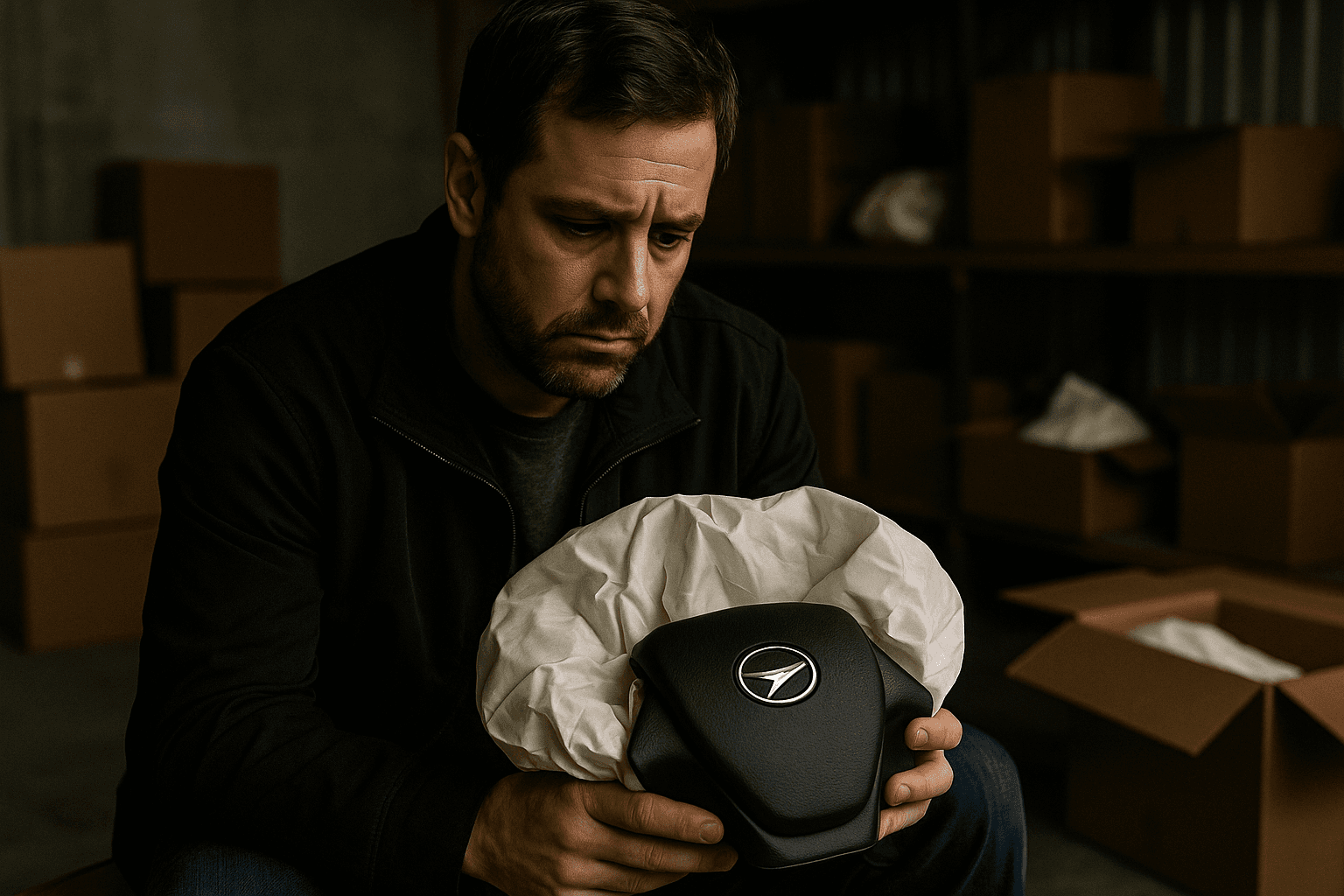
Alinaghian had worked for the North Carolina Department of Transportation for nearly five years and was dismissed on March 19, 2025 for conduct related to the case. The conviction and financial penalties cover both individual vehicle owners and automakers that tested the counterfeit parts.
For Wake County drivers the case is a reminder to vet replacement parts and installers. Dealerships and reputable repair shops can verify part provenance and installation. At a broader level the prosecution underscores growing enforcement challenges as online marketplaces facilitate cross border trafficking in counterfeit vehicle parts, and suggests a need for increased consumer education and regulatory scrutiny to protect vehicle safety.
This article was produced by Prism’s automated news system from verified source data, official records, and press releases, then run through automated quality and moderation checks before publishing. The system is built and supervised by the people who set the standards it runs under. Read our full AI policy.
Did this article answer your question?

