Raleigh Officer Casey Clark Testifies as Hedingham Shooter Ends Career, Pain Persists
Raleigh officer Casey Clark testified at the Hedingham shooter’s sentencing after a shotgun blast ended his career; his knee pain and daily effects continue to shape life for him and his family.
Casey Clark told the courtroom that a single shotgun blast during the Hedingham manhunt ended his lifelong ambition to join the SWAT team and left him with constant pain and a knee that can fail without warning. Clark, a 33-year-old former Raleigh police officer, testified as the man convicted in the Hedingham shootings faces sentencing.
On Jan. 22, the defendant, Austin Thompson, entered guilty pleas to five counts of murder, two counts of attempted murder, two counts of assault with a deadly weapon with intent to kill, and one count of assault with a firearm on a law enforcement officer. The shooting spree began Oct. 13, 2022, inside the Thompson family home in the Hedingham community and moved onto the Neuse River Greenway, where multiple residents were killed or injured.

Prosecutors and witnesses have tied five murder counts to the victims named in court: Gabriel Torres, 29; Mary Marshall, 34; Nicole Connors, 52; Susan Karnatz, 49; and the defendant’s brother identified in testimony as James. Two other people were wounded, including Clark and Marcille "Lynn" Gardner, a special education teacher. Medical and court testimony described James’ body as sustaining what one witness estimated as "at least 57" stab wounds, primarily around the neck.
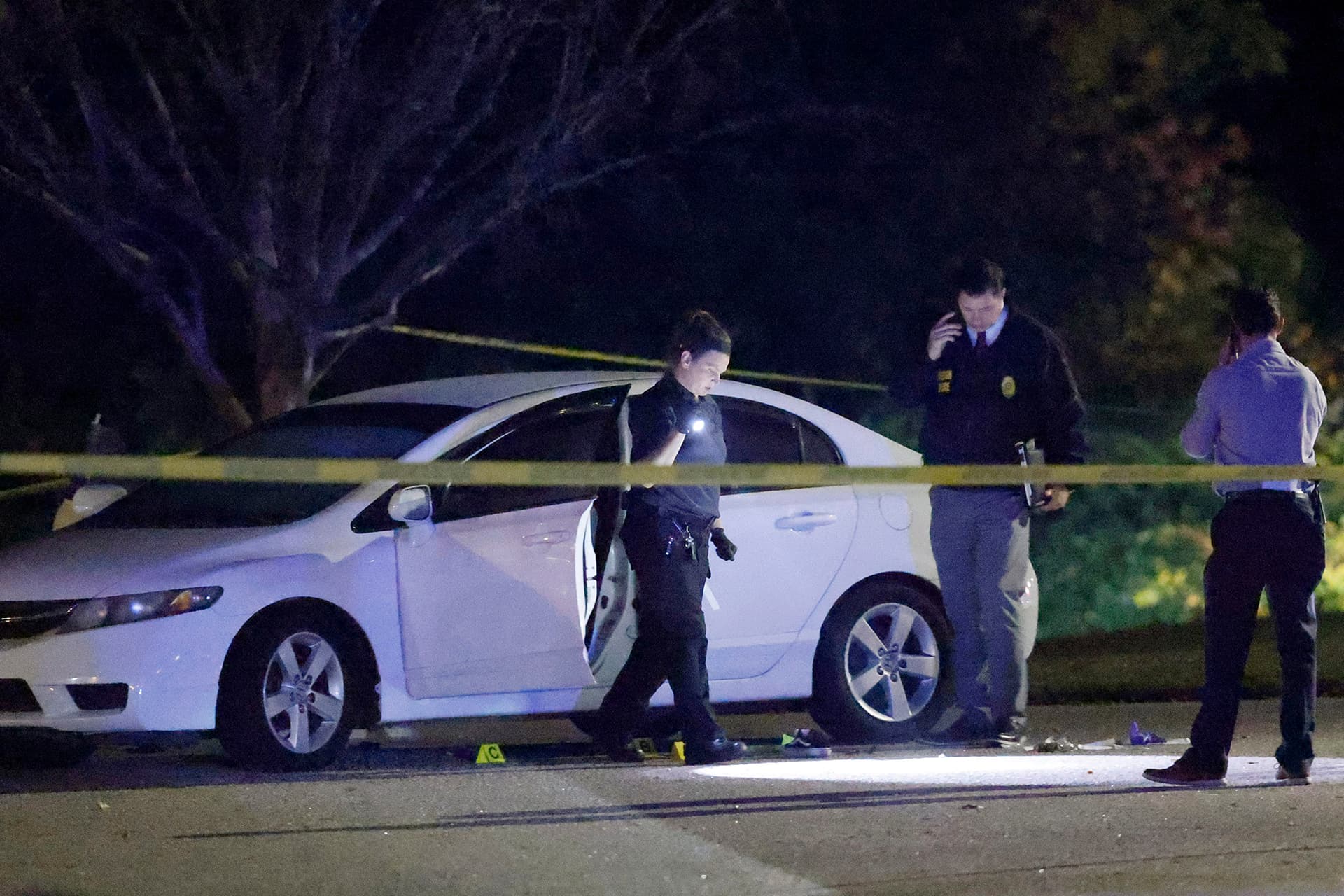
Raleigh officers from the Special Enforcement Unit and a K-9 team tracked Thompson into thick woods near the Neuse River. Body-camera footage played in court showed officers following the dog to a hunting blind, going over a fence and to a pair of garage-like buildings when a shot rang out and struck Clark in the knee. Officers dragged the wounded patrolman into cover, applied a tourniquet and loaded him into a car. On tape Clark said, "I’m nauseous, but I’m good." Another officer encouraged him, "You’re gonna be alright, brother." Clark asked, "Someone just get me up to my feet," added "I can go on one leg," and even joked while being loaded into a car, "Merely a flesh wound."
When officers later found Thompson holed up in a shed he fired at them and then sustained a gunshot wound to the head that investigators described as apparently self-inflicted. Officers used robots to retrieve a gun and a camo backpack after Thompson refused to surrender. Crime-scene photos introduced in court showed cash totaling over $700, granola bars, shotgun shells cataloged by brand and type, binoculars and the backpack.
Clark described how the injury has reshaped daily life: "That was my entire life's goal, was to be on the SWAT team; that was my dream." He testified that "walking through the woods used to be enjoyable to me. Now I'm evaluating, looking for a threat," and warned "my knee will give out on me without any warning." He also described changes in his wife, who "used to be a 'happy, go-lucky woman, where she was able to walk on the street unstressed,' [she] now evaluates everyone as a threat."
The sentencing phase will determine Thompson’s punishment. Clark’s testimony and the details aired in court underscore continuing questions for Wake County about officer safety, trauma care for victims and first responders, and how the criminal justice system balances claims about a defendant’s health and the community’s demand for accountability. Community leaders and policymakers will face calls to address those institutional gaps as the county looks to prevent another tragedy and support those left to recover.
This article was produced by Prism’s automated news system from verified source data, official records, and press releases, then run through automated quality and moderation checks before publishing. The system is built and supervised by the people who set the standards it runs under. Read our full AI policy.
Did this article answer your question?