Raleigh police investigate nonprofit that ran Wake County shelter for fraud
Raleigh police are investigating the nonprofit that ran Wake County’s 98-bed Second Street Place shelter for possible fraud. The case could affect beds, contracts and public trust.
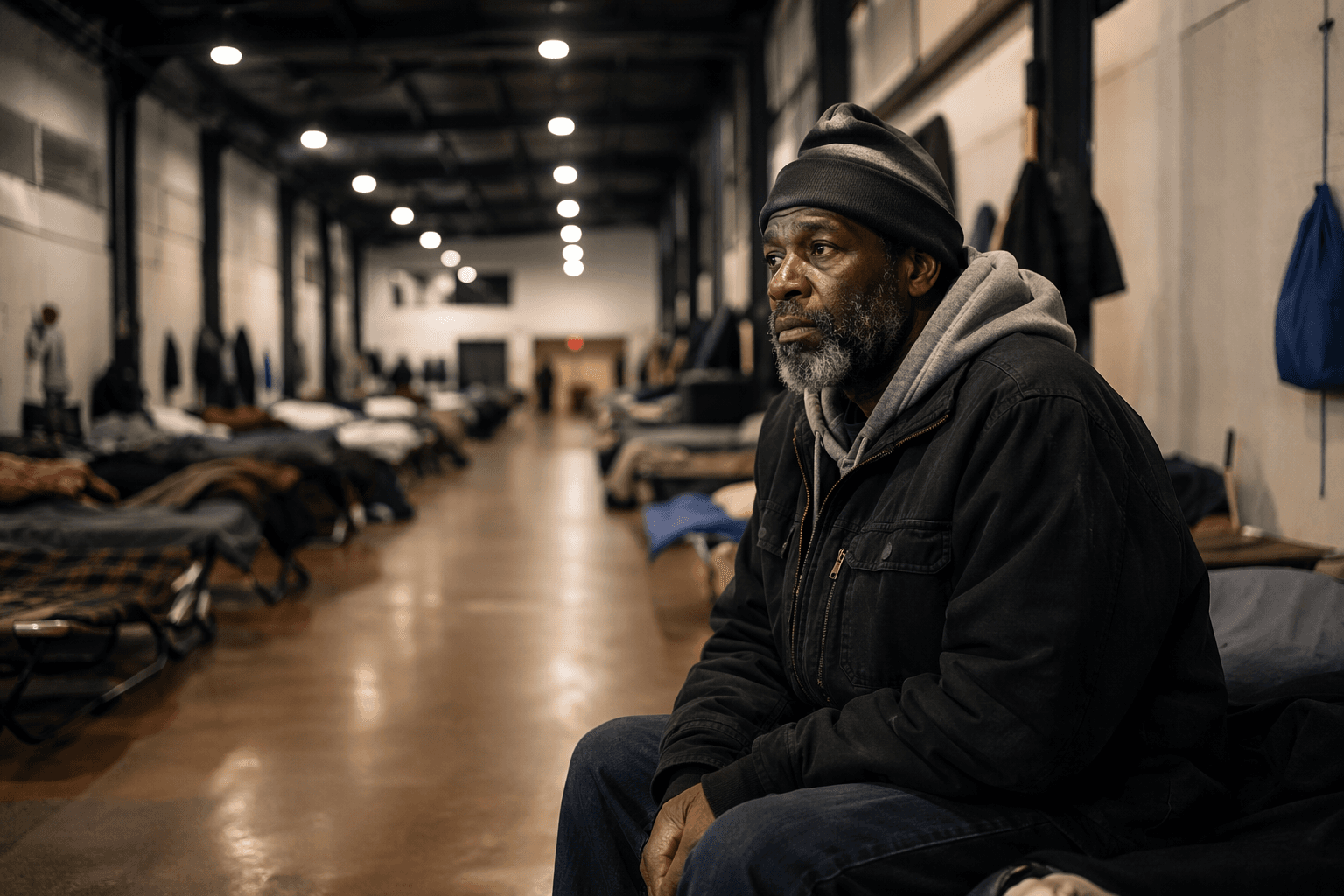
Raleigh police are investigating The Bryant Center, the nonprofit that until recently ran Wake County’s Second Street Place shelter, turning a troubled management transition into a criminal inquiry at one of the county’s most visible homelessness sites.
Second Street Place sits at 5010 Second Street in Raleigh and serves as Wake County’s first low-barrier shelter, meaning people can walk in without the usual hurdles such as proof of sobriety or background checks. Wake County said it opened the site temporarily on January 1, 2025, for White Flag season, and county materials said it had been operating at capacity since opening. Wake County later selected The Bryant Center on July 17, 2025, to lead daily operations at the shelter.
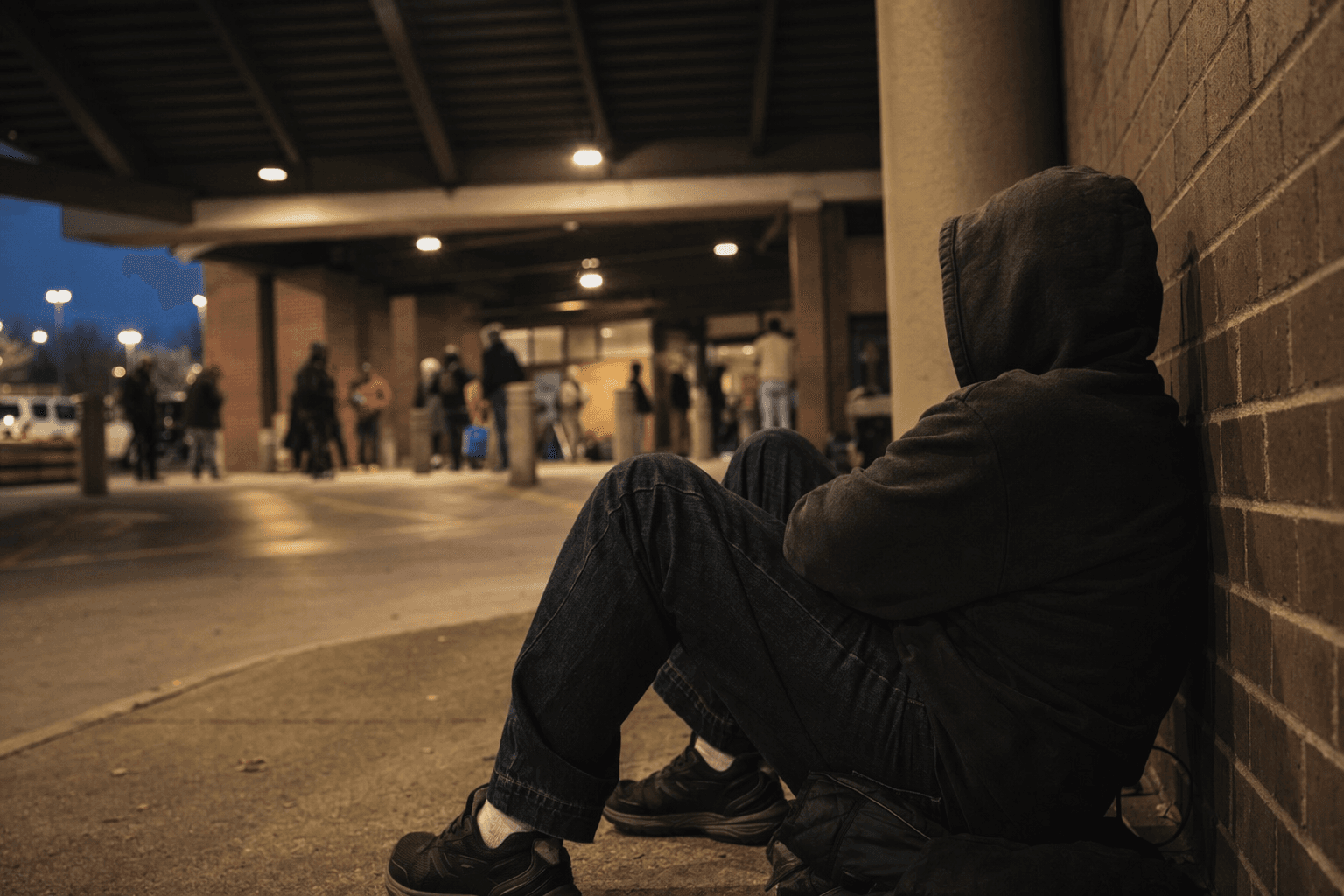
The county ended that agreement after saying it became aware of concerning operational practices, and the contract terminated on April 23. County officials said community partners stepped in to keep the shelter open so services would not be interrupted, with alternative shelter available at 3211 Bramer Drive in Raleigh during the renovation period.
The stakes go beyond one nonprofit. Wake County describes Second Street Place as a critical piece of its homelessness response system, especially during extreme cold and extreme heat. The 98-bed shelter has also been moving through a major renovation plan that adds another layer of public spending and oversight. County commissioners approved acquisition of 5010 Second Street on August 19, 2024. Wake County later awarded a $3.365 million construction contract on November 17, 2025, with total estimated project costs of $4.25 million.
That renovation is scheduled to begin April 1, 2026. County plans call for separate staff and guest entrances, ADA-accessible bathrooms and showers, a security console, flexible dormitory space and a food distribution hub. Wake County says the renovated building is projected to reopen around November 1, 2026, with other county material pointing to a December reopening.
If the fraud investigation involves money, staffing or recordkeeping, it could affect how public funds were spent and how reliably beds, case management and shelter access were delivered to people in crisis. Wake County’s Program Integrity Unit says it exists to maintain accountability in public spending through prevention, detection and investigation of fraud and abuse, and county policy says government records in North Carolina are public unless confidential by law.
That leaves a hard question hanging over Second Street Place: whether the problems now under police scrutiny were confined to one contractor or exposed deeper failures in how Wake County vets and monitors the nonprofits it relies on to shelter its most vulnerable residents.
This article was produced by Prism’s automated news system from verified source data, official records, and press releases, then run through automated quality and moderation checks before publishing. The system is built and supervised by the people who set the standards it runs under. Read our full AI policy.
Did this article answer your question?