Raleigh police unveil partnership strategy to combat violent crime
After shootings on Creedmoor Road, at Triangle Town Center and in southeast Raleigh, Rico Boyce pitched a partnership plan backed by 474 gun seizures and mixed crime data.

A shooting in a Food Lion parking lot on Creedmoor Road, gunfire at Triangle Town Center and a fatal shooting at a southeast Raleigh apartment complex pushed Raleigh police Chief Rico Boyce to put a new label on the department’s violent-crime response: Strategic Partnerships for Operational Success.
Boyce outlined the approach at a news conference on April 21, tying the effort to a broader agenda that Raleigh police say includes community engagement, crime reduction strategies, operational efficiency, and accountability and leadership. Boyce, Raleigh’s 31st police chief, started the job on March 1, 2025, and was sworn in on April 2, 2025, giving added weight to a strategy that is meant to look less like a one-day response and more like a standing operating plan.
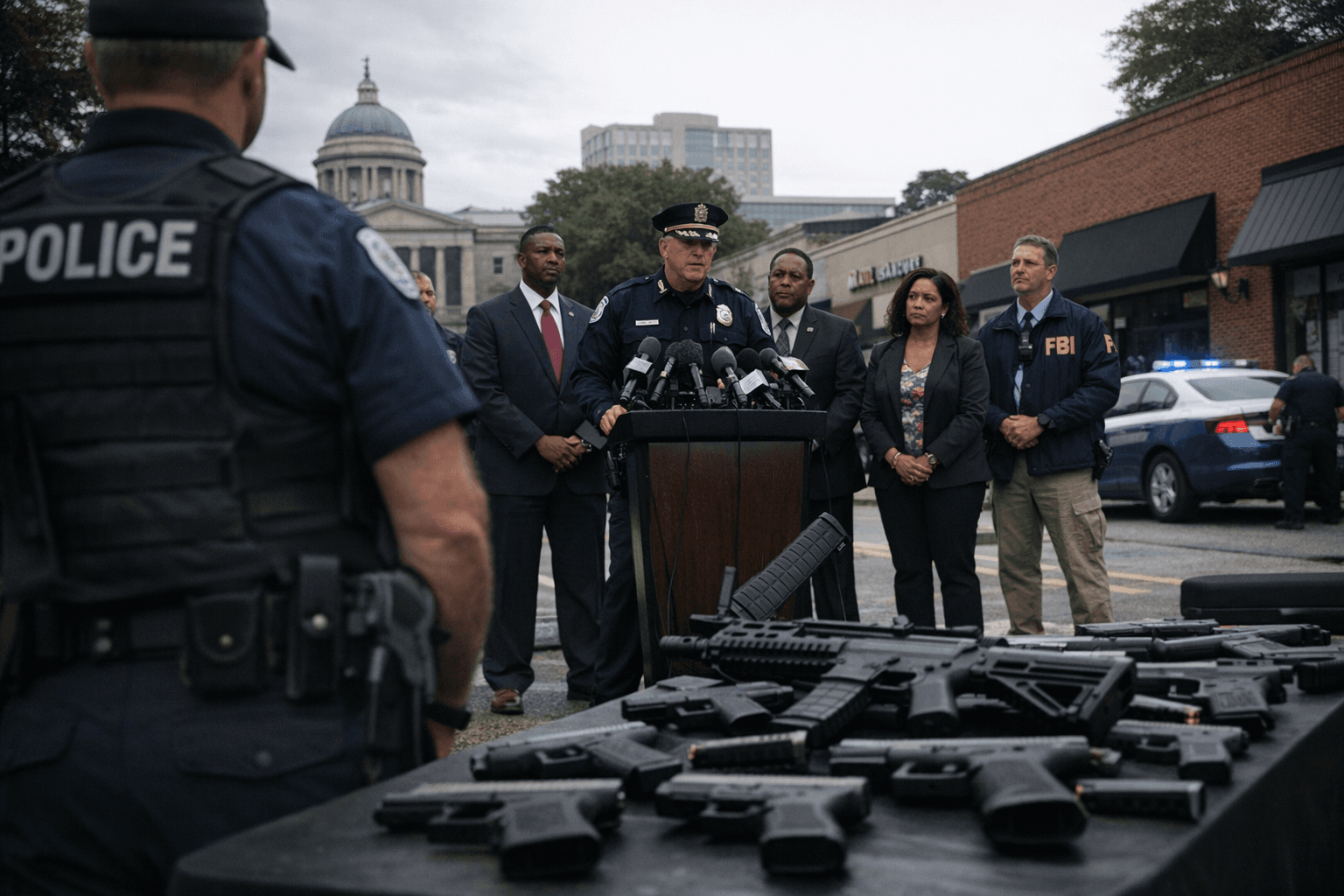
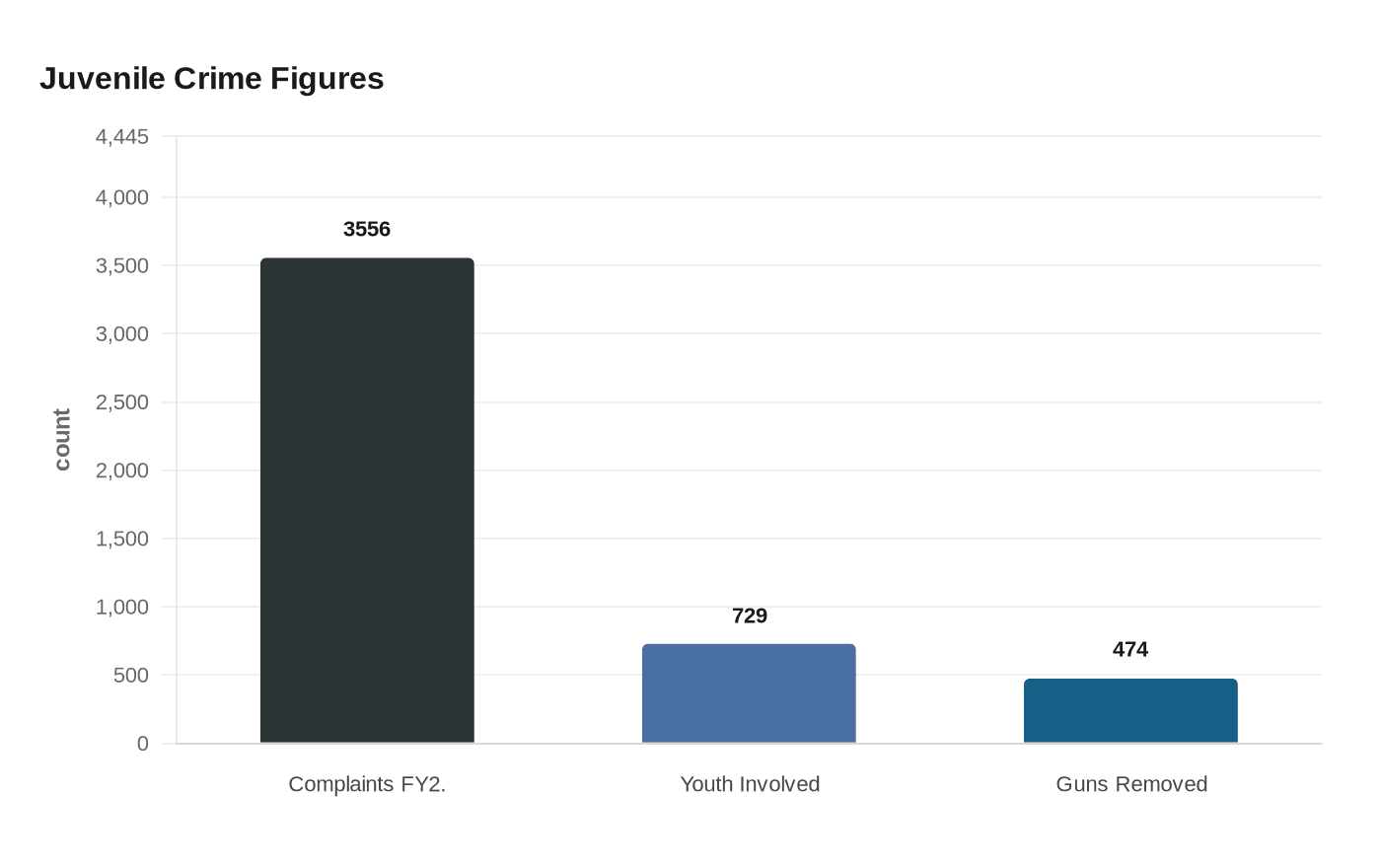
The accountability test is in the numbers. The department’s first-quarter 2026 crime statistics showed decreases in homicides, burglaries, motor vehicle thefts and larcenies, while robberies and assaults rose. Boyce also said officers had taken 474 illegally possessed guns off the streets in recent months, a figure that gives residents one concrete measure to watch as police try to slow the violence.
Boyce said the department was working with the Wake County District Attorney’s Office and a broad law-enforcement network that included the Wake County Sheriff’s Office, the State Highway Patrol, the Department of Public Safety, the FBI, State Capitol Police and the U.S. Marshals Service. He said he expected arrests soon in the Triangle Town Center case, where three 17-year-olds and a 20-year-old mall worker were involved in the April 17 confrontation and shooting.
The timing sharpened the public pressure. Wake County leaders reviewed juvenile-crime prevention data on April 20, one day before Boyce’s briefing, and the county’s Juvenile Crime Prevention Program reported 3,556 delinquent complaints involving youth ages 6 to 17 in fiscal year 2025, down about 4.2% from 2024. Those complaints involved 729 discrete youth, and county officials said about 46% of juveniles in the program reported prior drug or alcohol use, with none having received prior treatment. That decline suggests prevention work may be moving in the right direction, but the recent violence has left Raleigh with a harder question: whether a coordinated partnership strategy can produce visible arrests, fewer guns and a sustained drop in robberies and assaults before fear settles in.
This article was produced by Prism’s automated news system from verified source data, official records, and press releases, then run through automated quality and moderation checks before publishing. The system is built and supervised by the people who set the standards it runs under. Read our full AI policy.
Did this article answer your question?