Raleigh protesters rally at Moore Square in nationwide anti-ICE day of action
Protesters filled Moore Square to challenge ICE as Raleigh again became a focal point for immigration anger tied to shootings in Minneapolis and Portland.
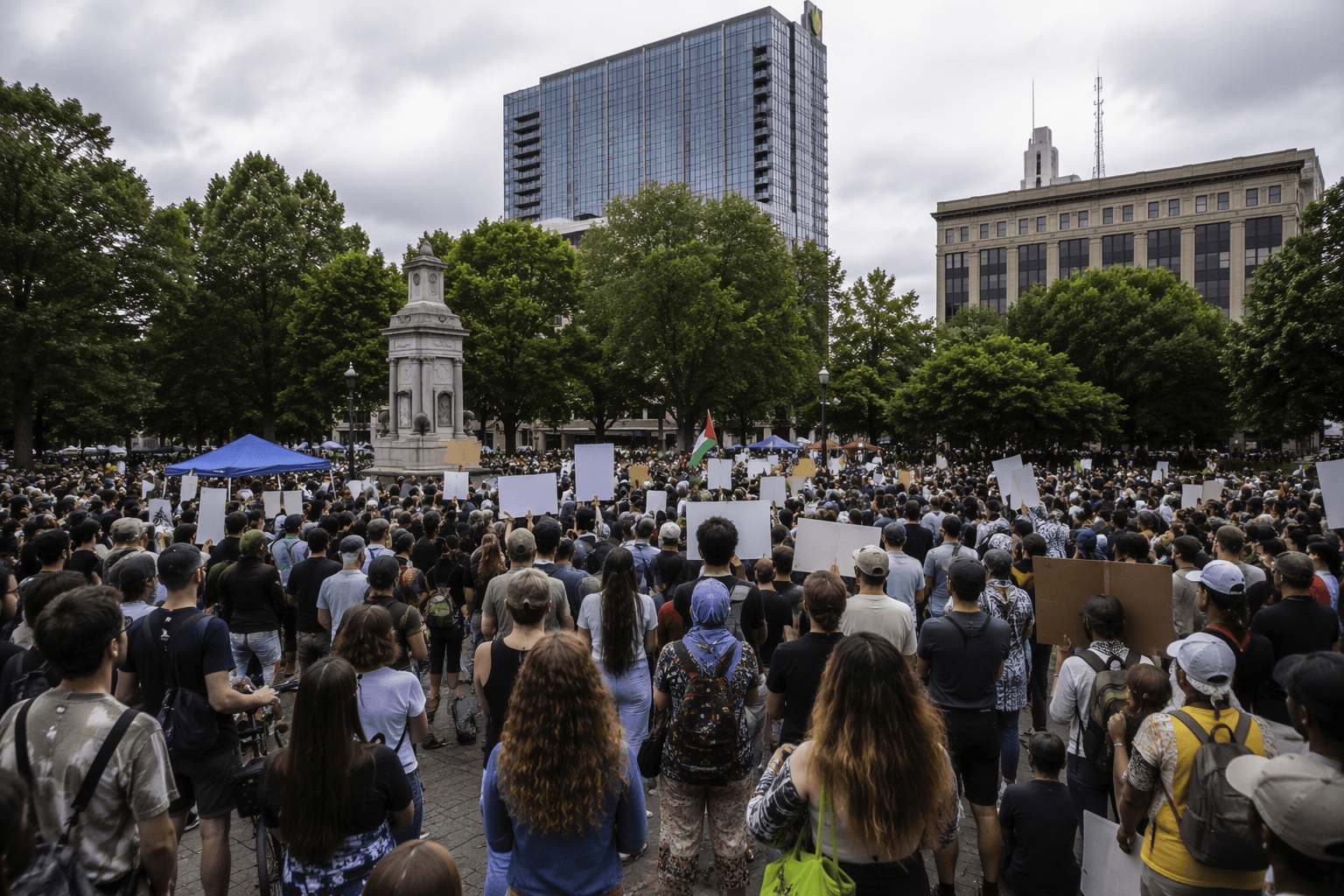
Demonstrators gathered at Moore Square in downtown Raleigh as part of a nationwide day of action targeting U.S. Immigration and Customs Enforcement and the shootings that have intensified anti-ICE protests across the country. The Raleigh crowd voiced concerns about immigration enforcement and pressed for policy changes in a city that has already become a recurring stop for this fight.
The protest landed in a place that has seen it before. About 200 people in Moore Square on Monday, June 10, 2025, calling for the release of union leader David Huerta during an earlier rally critical of ICE actions. The repeated use of the same downtown gathering spot has turned Moore Square into one of Wake County’s most visible stages for immigration politics.
Raleigh was also pulled into the broader wave of protests after shootings in Minneapolis and Portland sparked marches in North Carolina cities and beyond. That backdrop matters locally because the anger is not just about federal enforcement in the abstract. It is about what residents believe could happen in Raleigh, where a state senator said Customs and Border Protection agents were expected to target the city that week.
The clash has exposed the limits of local control. ICE, Customs and Border Protection and the Department of Homeland Security are federal agencies, which means Raleigh and Wake County do not set immigration-enforcement policy or direct federal arrests. What local leaders can shape is narrower: how city police respond around demonstrations, what cooperation looks like at the local level, and how the court system handles access and public safety around immigration cases.
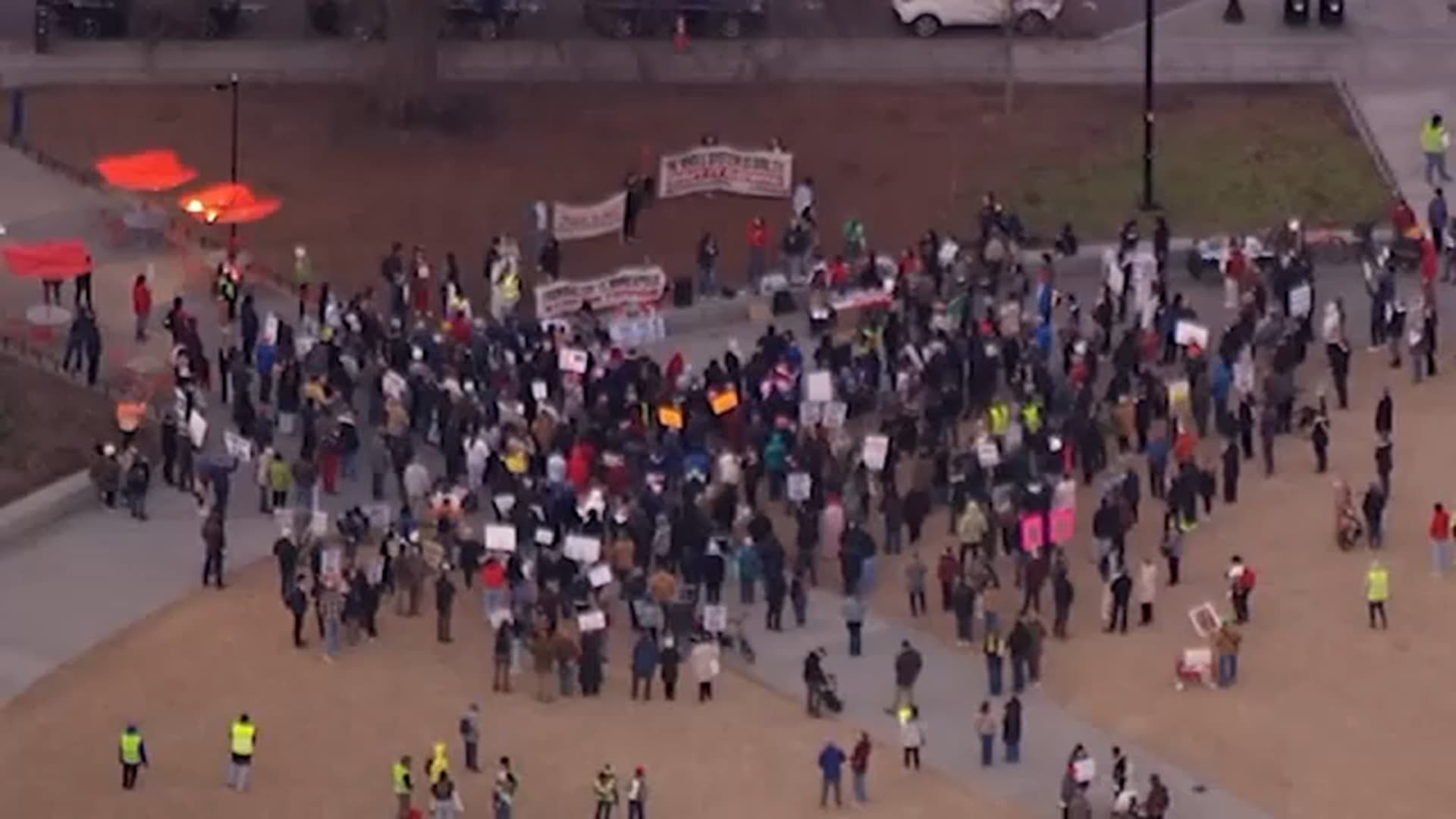
For Wake County residents, that gap is the central tension of the protests. Demonstrators came to Moore Square demanding changes that reach far beyond downtown Raleigh, while the officials closest to home have far less power over the federal machinery they are being asked to confront.
This article was produced by Prism’s automated news system from verified source data, official records, and press releases, then run through automated quality and moderation checks before publishing. The system is built and supervised by the people who set the standards it runs under. Read our full AI policy.
Did this article answer your question?