Raleigh restaurant owner faces felony tax charges over nearly $180,000 unpaid sales taxes
A Raleigh restaurant owner is accused of collecting sales tax from customers at Red Monkey and The Arepa Bar and not turning over nearly $180,000 to the state and Wake County.
Customers paid the tax at the register, but state officials say the money never made it to Raleigh’s tax collector. Marcella Aguado De La Cruz, 49, the owner of two restaurant entities in Wake County, faces felony charges after the North Carolina Department of Revenue accused her of failing to remit nearly $180,000 in sales taxes collected at Red Monkey and The Arepa Bar.
The department says Aguado De La Cruz was the responsible person for Marz Fusion, LLC, doing business as Red Monkey, and Marz Hospitality Group, LLC, doing business as The Arepa Bar. In North Carolina, sales tax collected by a business is supposed to be held in trust and passed on to the state and county. Investigators allege that instead, those funds were embezzled, misapplied and converted to the businesses’ own use.
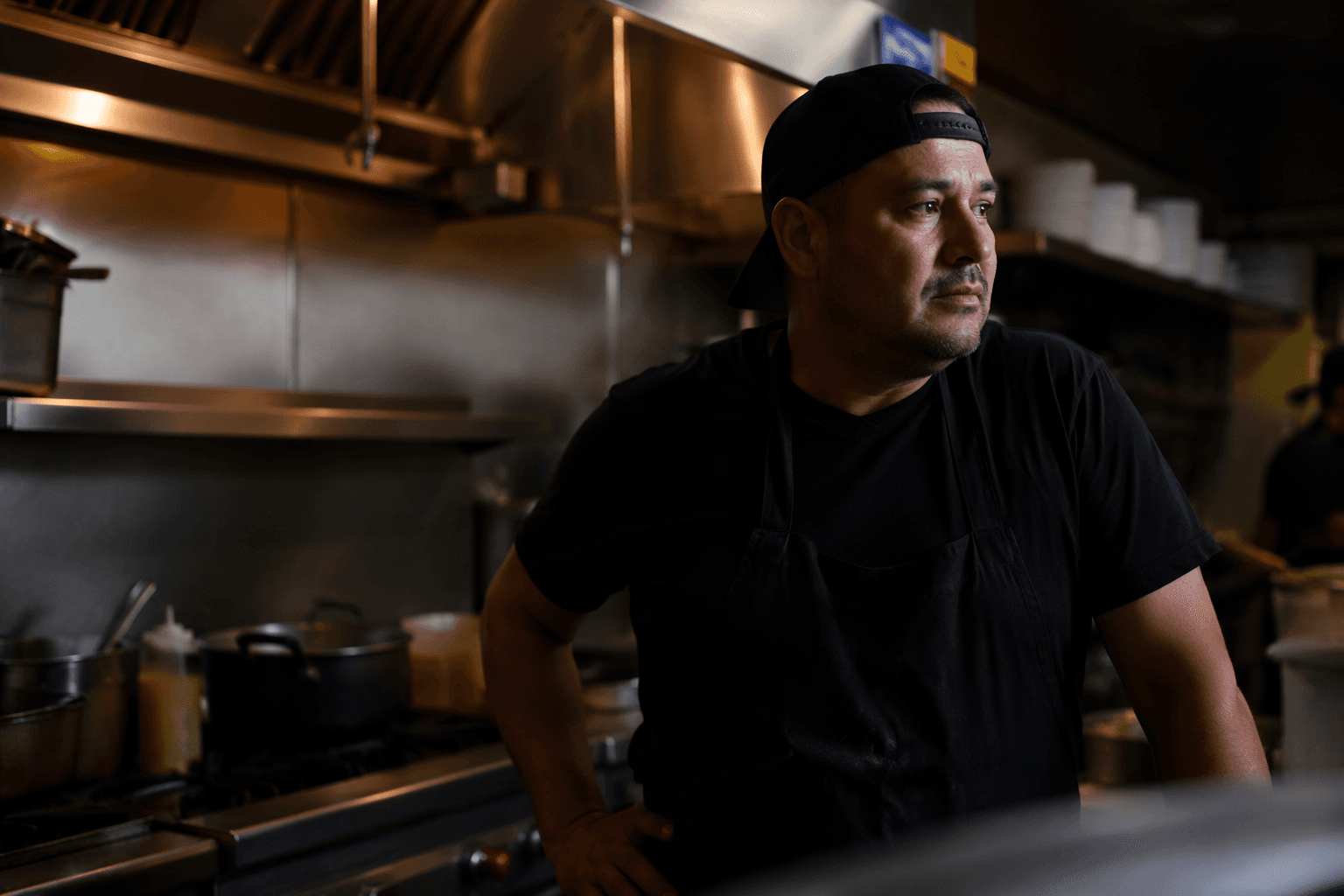
The alleged shortfall at Red Monkey totals about $145,172.77 and covers March 1, 2019, through April 30, 2021. The alleged shortfall at The Arepa Bar totals about $33,726.93 from July 1, 2020, through May 31, 2022. Together, the two cases add up to $178,898 in North Carolina sales taxes, including Wake County taxes.
Prosecutors said the case escalated quickly this month. Aguado De La Cruz was indicted in Wake County between June 2 and June 4 on six counts of aiding and abetting embezzlement of state property, then taken into custody Monday. She was later released on a $30,000 secured bond and is scheduled to make her first Wake County court appearance on June 15.
The charges land squarely in Raleigh’s restaurant economy, where tax collection is built into every receipt and expected to move from customers to public coffers without delay. If the allegations hold, the case could reverberate beyond Aguado De La Cruz herself, raising questions about whether employees, vendors and future business operations tied to the two restaurants will face additional strain as the criminal case proceeds.
The North Carolina Department of Revenue said its Criminal Investigations Division handled the case, underscoring that state officials are treating the matter as a tax crime rather than a routine billing dispute. The allegations also fit a broader pattern in Wake County, where state investigators have pursued other business owners in recent tax-embezzlement cases, including one that involved $777,878 and another restaurant case that ended in a guilty plea over more than $164,000 in sales taxes.
This article was produced by Prism’s automated news system from verified source data, official records, and press releases, then run through automated quality and moderation checks before publishing. The system is built and supervised by the people who set the standards it runs under. Read our full AI policy.
Did this article answer your question?

