Raleigh shifts to even-year, four-year city elections amid voter confusion
Raleigh’s new election rules are now in effect, moving municipal races to even years with longer, staggered terms; residents may face harder-to-find local contests and candidates may confront fundraising and turnout challenges.
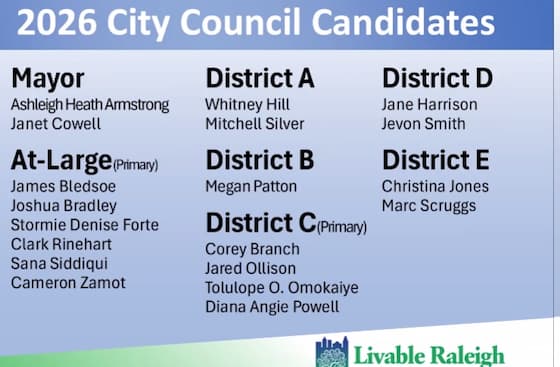
Raleigh’s reworked local election calendar took effect this week, changing when and how residents elect the mayor and city council and prompting concerns about voter awareness, turnout and campaign finance. The city moved municipal elections to even-numbered years, extended mayoral and council terms from two years to four, and adopted a staggered schedule that begins with the mayor, Districts A and B, and one at-large seat in this election cycle. Districts C, D and E and the remaining at-large seat will be up for election in 2028 and then serve four-year terms.
Early voting for the new cycle begins Feb. 12, and a nonpartisan primary is scheduled for March 3 for any race with more than two candidates. Those calendar details matter to voters and campaigns alike: filing deadlines that occur in December and a merged election calendar put local contests on the same ballot as high-profile state and national races.
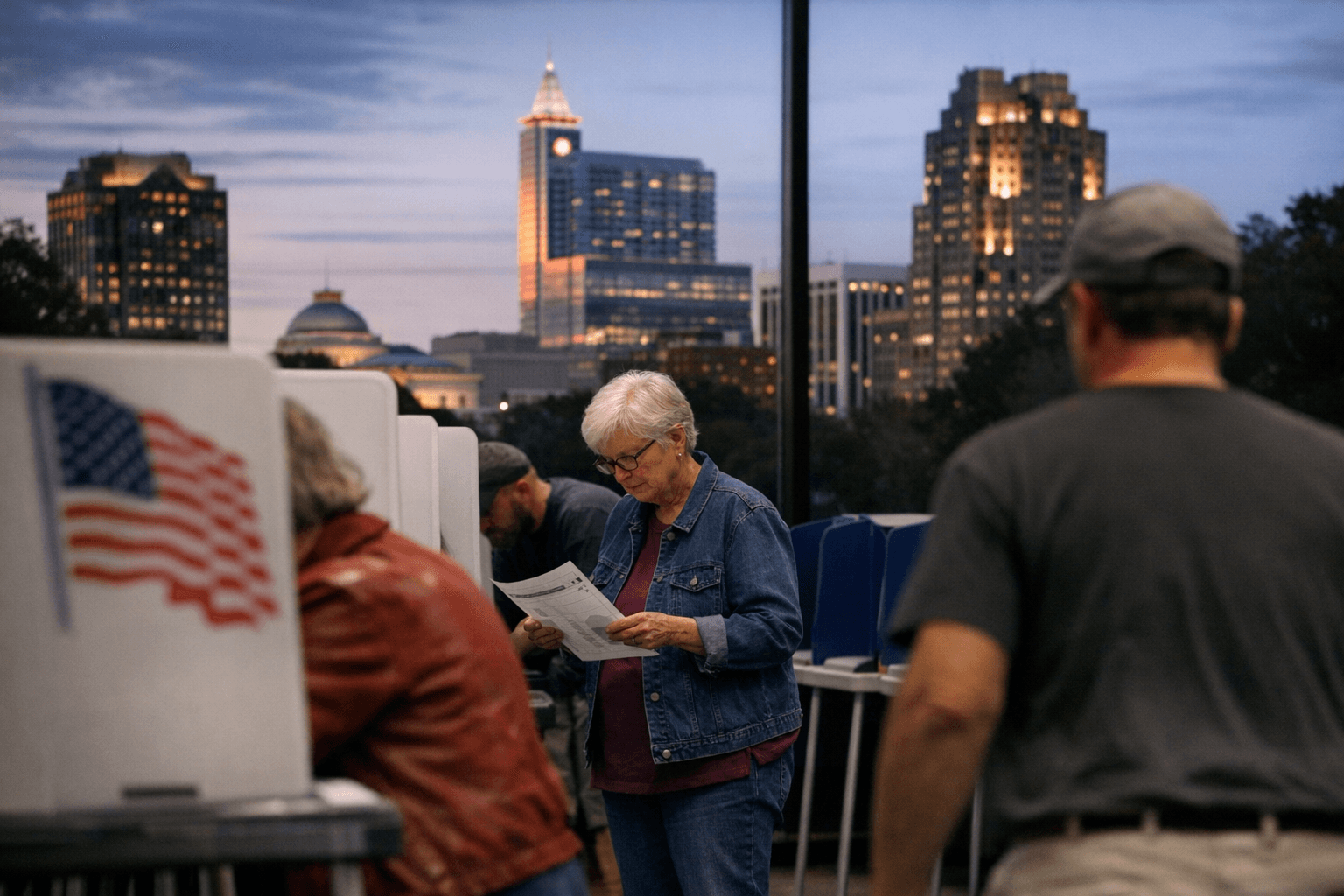
Advocates and candidates at a Livable Raleigh virtual information session last week warned that coupling municipal contests with larger elections may obscure local races. Livable Raleigh member Tim Niles said, "What this means is city council candidates are now competing for the attention of voters, campaign volunteers, and the media against both state and national office elections." Niles added from his poll-working experience, "I have personally worked the polls at these even year elections, and I can tell you from my experience, most voters have no idea Raleigh is even holding an election, no idea who is running, no idea who the mayor is or what city council district they even live in."
Wake County Board of Elections member Gerry Cohen told the session that turnout projections vary by election type; Raleigh could see 25 to 30 percent turnout in presidential primaries, while municipal contests historically have ranged between about 17 and 19 percent. Those figures underscore the risk that local races could be decided by relatively small slices of the electorate unless campaigns and civic groups boost awareness.
Candidates at the event raised concerns about the practical effects of the new timeline. Candidate Joshua Bradley questioned whether the December filing requirement benefits wealthier campaigns, asking, "Doesn't that advantage people that are taking lots of developer money?" He added, "They're going to have to be able to raise funds quicker... I'm just wondering if that was intentional." Other voices noted that rapid fundraising can be offset by campaigning on issues that motivate voters; Livable Raleigh member Bob Geary said candidates could gain advantage if they "raise issues" voters care about. Geary also highlighted the poll Livable Raleigh commissioned from Public Policy Polling of 636 registered Raleigh voters, which found 70 percent saying the city is not doing enough on affordable housing and 73 percent calling Raleigh’s transit system inadequate.
Institutionally, the move to four-year, staggered terms offers continuity and may reduce the frequency of campaign cycles, but it also concentrates local contests among broader elections and raises questions about visibility, accountability and who benefits from faster fundraising windows. For voters in Wake County, the immediate implications are practical: mark early voting beginning Feb. 12, watch for a March 3 primary in crowded races, and be prepared for some council seats to skip contests until 2028.
The takeaway? Treat the next few months like a local election season boot camp: check your registration, note early voting and primary dates, ask candidates where they stand on housing and transit, and hold campaigns to account on who funds them. Our two cents? Show up informed - local government shapes daily life, and these calendar changes make staying engaged more important than ever.
Know something we missed? Have a correction or additional information?
Submit a Tip