Raleigh StepUp Ministry helps former inmates rebuild lives, find jobs
A suspended license nearly kept James Ivy stuck after incarceration. StepUp Ministry says its model has reached 10,040 people, and a bigger Raleigh facility could widen that impact.
A reentry problem that starts with a license
A suspended driver’s license can stop a job search before it starts, and for James Ivy, it once threatened to keep him trapped in the same system he was trying to leave. StepUp Ministry helped him regain that license with support from Campbell Law School’s Blanchard Community Law Clinic, giving him a path toward work instead of another turn through the criminal-justice system.
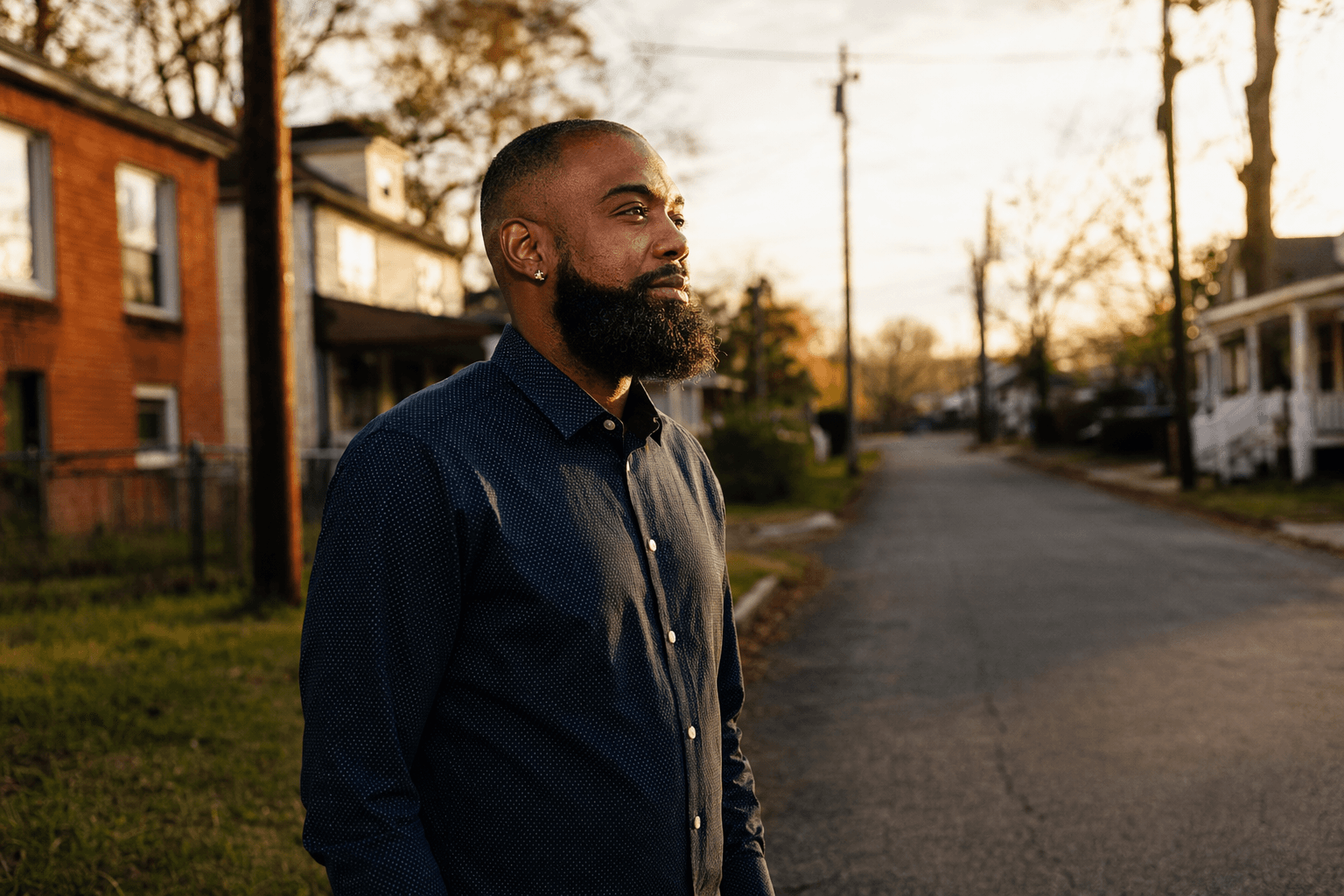
Ivy’s story is the kind Wake County leaders point to when they talk about reentry, but the real test is whether the model works at scale. StepUp says it has spent nearly four decades trying to answer that question with job training, life-skills support and practical help that connects people to work, stability and family life.
What StepUp actually does
StepUp Ministry says it was founded in 1988 by White Memorial Presbyterian Church, and its Raleigh roots still shape the organization’s identity. The nonprofit operates from Raleigh, including a location at 1701 Oberlin Road, and it has evolved from a faith-based outreach effort into a broader workforce and stability program for Wake County residents.
The ministry’s model is not limited to job referrals. It helps participants look for better jobs, manage money, build life skills and support their families, which matters in a labor market where the barriers to employment are often practical rather than purely academic. StepUp says applicants today may need technology access, internet access, AI literacy, interview readiness and even childcare support just to make it through a hiring process.
That mix of services makes StepUp more than a placement shop. It functions as a bridge for people who are trying to move from instability to work, especially those carrying the added weight of incarceration, financial strain or a gap in their work history.
The scale behind the mission
StepUp says its numbers show a program with reach, not just good intentions. The organization reports 10,040 participants overall, 4,635 job placements and 58 businesses currently employing StepUp participants. It also says 9,372 volunteer hours were donated in fiscal year 2025.
Those figures matter because they show both demand and employer buy-in. StepUp once celebrated its 2,000th job placement, and the current total suggests the program has continued to grow well beyond that earlier milestone. The 58 businesses currently hiring participants also suggest a network that extends beyond one-off success stories and into recurring workforce relationships.
Laura Martin, StepUp’s chief outreach officer, said the ministry saw a 55 percent increase in people reaching out last year. StepUp describes Martin as a seasoned social impact leader with more than 15 years of service in the Raleigh community, which helps explain why the organization has become a familiar name in local reentry and workforce conversations.
Why the legal piece matters
For many people leaving incarceration, the obstacle is not a lack of motivation. It is a stack of legal and administrative problems that can make getting to work, keeping work and staying out of trouble much harder.
That is where Campbell Law School’s Blanchard Community Law Clinic comes in. The clinic says it has partnered with nonprofit agencies, including StepUp Ministry, since 2016 to help low-income residents remove legal barriers. In March 2025, it also reported serving about 170 clients in driver’s-license restoration clinics at Carteret Correctional Center and New Hanover Correctional Center, a reminder that license restoration is now a recurring reentry strategy in North Carolina.
For people coming home from prison, a valid license can mean the ability to commute, interview, care for children and keep appointments. Without it, even a promising job offer can collapse.
The expansion Wake County is betting on
StepUp is now trying to widen its reach through the Rooted & Rising capital campaign, a $7.5 million effort to build a 9,500-square-foot facility. The organization says the new space could serve up to 1,000 individuals per week at full capacity, and its fundraising materials say the expansion is intended to help an estimated 1,000 Wake County residents move above the poverty line each year.
Wake County has already put public money behind the project. The Wake County Board of Commissioners approved a $550,000 Community Capital Grant to help replace StepUp’s existing facility, giving the campaign a clear institutional signal that local government sees workforce recovery as part of the county’s broader economic-health picture.
That is where the story becomes larger than one nonprofit. In Wake County, reentry, homelessness and low-wage work often overlap. A program like StepUp sits at that intersection, trying to reduce the number of people who bounce between crisis, unstable jobs and the justice system.
What to watch next
For residents who want to know whether StepUp is delivering measurable results, the clearest markers are already on the table:
- job placements, now at 4,635
- participant reach, now at 10,040 people
- employer participation, with 58 businesses currently hiring StepUp participants
- volunteer support, which totaled 9,372 hours in fiscal year 2025
- expansion capacity, with a facility designed to serve up to 1,000 people a week
The next question is whether the new building, the legal partnerships and the whole-family model can convert more Wake County residents from emergency survival to steady work. In a county where a license, a computer, childcare or one legal hurdle can decide whether someone gets hired, StepUp’s test is not inspiration. It is outcomes.
This article was produced by Prism’s automated news system from verified source data, official records, and press releases, then run through automated quality and moderation checks before publishing. The system is built and supervised by the people who set the standards it runs under. Read our full AI policy.
Did this article answer your question?