Raleigh Tests AI Traffic Cameras To Improve Safety And Flow
On December 23, 2025 Raleigh began testing AI powered traffic cameras to fine tune signal timing, analyze movements of people and vehicles, and reduce congestion at busy intersections. The pilot aims to shorten delays and improve safety for pedestrians and cyclists, while raising questions about privacy, public oversight, and future policy decisions for the city.
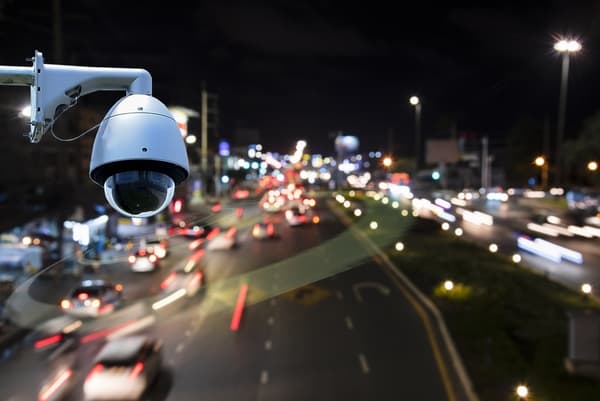
Raleigh moved this week to integrate artificial intelligence into its traffic management strategy, launching a pilot that uses existing traffic cameras paired with AI analysis and mapping software. City transportation staff said the system analyzes how people and vehicles move through select intersections in near real time and adjusts signal timing to improve the flow and safety of those locations.
The pilot targets intersections with heavy pedestrian activity and higher congestion levels, where officials said modest timing changes could reduce wait times and lower conflicts between road users. Early data described by transportation staff show promising trends in shorter vehicle delays and more predictable pedestrian crossing windows, though officials framed the technology as a tool to support planning and enforcement rather than a replacement for those functions.
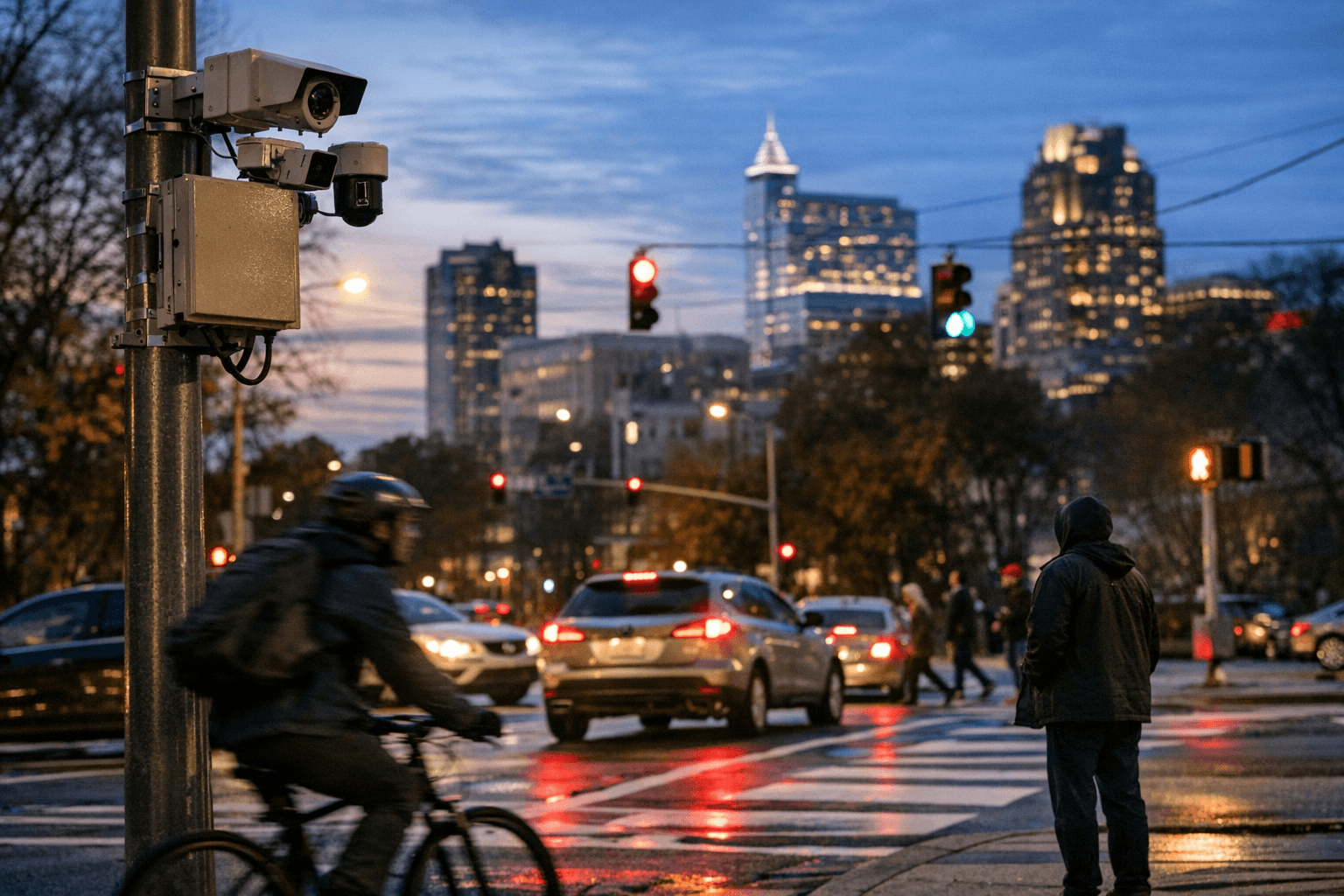
The program relies on current camera infrastructure which lowers hardware costs and allows the city to test algorithms and mapping overlays without a wholesale equipment replacement. Technical leaders explained that camera feeds are processed to map trajectories and volumes, and the software proposes timing adjustments for traffic signals that are then enacted by the traffic control system. Staff emphasized pilots can be scaled to additional intersections if performance metrics and safeguards meet predefined thresholds.
The introduction of AI analysis into traffic operations brings policy and governance questions into focus. Privacy advocates and community members have raised concerns about how long data will be stored, who will have access, and what safeguards will prevent misuse of footage and metadata. City officials acknowledged the need for public input and oversight and indicated that local governance bodies will review data retention policies, civil liberties protections, and transparency measures before any major expansion.
Budgetary and institutional implications are also central. Expanding the system will require funding decisions by the City Council and coordination among transportation, public safety, and data governance units. The project could influence future infrastructure budgets and shape how Raleigh balances automated tools with traditional traffic engineering and enforcement.
Residents who want to follow the effort can attend upcoming public meetings where staff will present pilot results and governance proposals. Those sessions will be the primary venue for community input on privacy safeguards, performance criteria, and the pace of any citywide rollout.
This article was produced by Prism’s automated news system from verified source data, official records, and press releases, then run through automated quality and moderation checks before publishing. The system is built and supervised by the people who set the standards it runs under. Read our full AI policy.
Did this article answer your question?