Raleigh’s first automated garage becomes model for driverless cars
Raleigh’s first automated garage has moved into construction at City Gateway, and the 228-space project is already being eyed as a model for driverless-car parking.
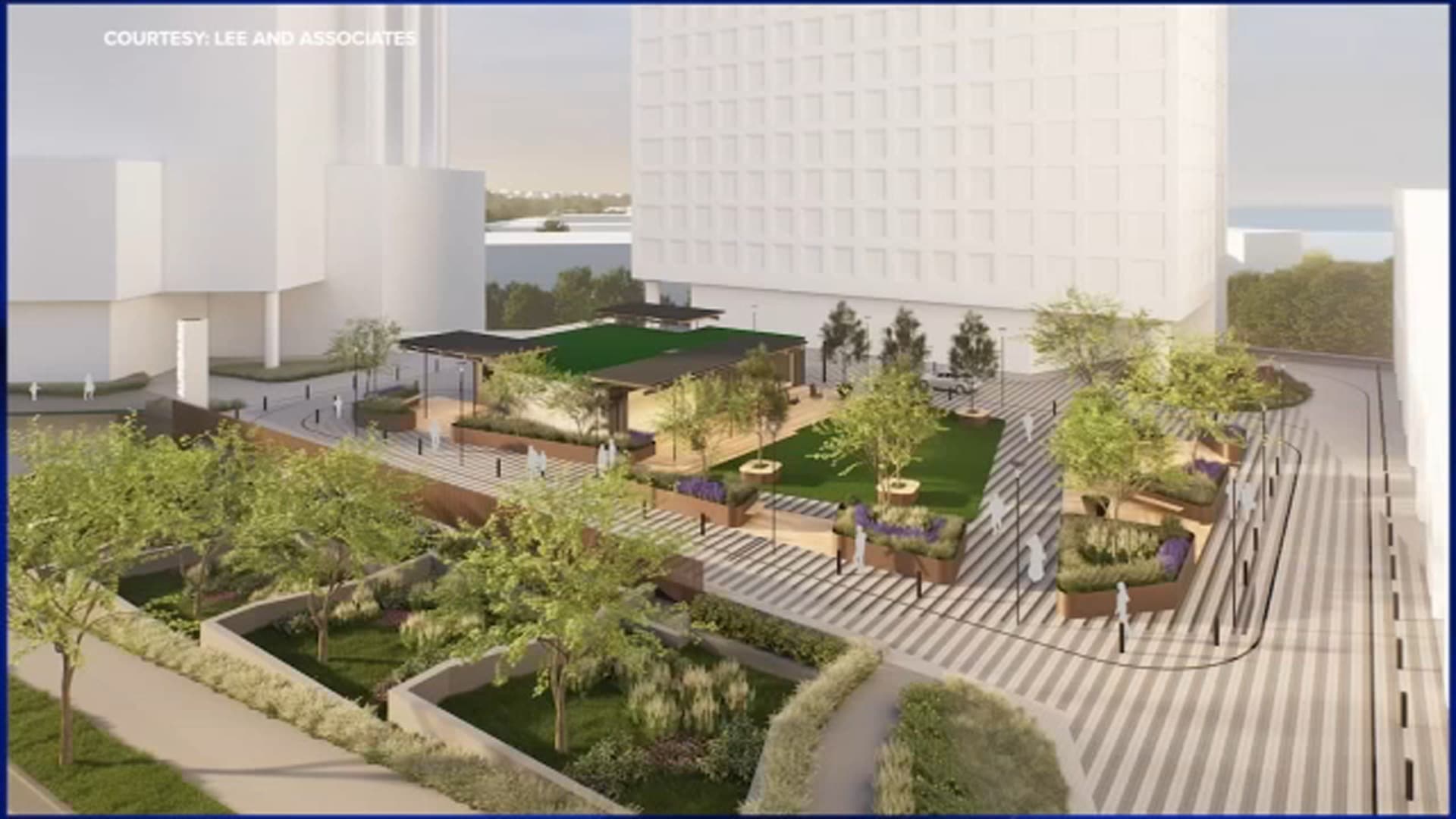
Work has started at 130 Kindley St. on Raleigh’s first automated parking garage, a two-level, 228-space facility in the Gateway District that is slated to open in December. The $13.5 million financing package closed through PACE Loan Group helped push the project forward, and each space is designed to support EV charging.
The garage is more than a downtown parking project. Auto Park, the company delivering and operating it, is in advanced talks to build similar garages for driverless cars in other cities, a sign that Raleigh is being treated as a launch point for a new business line rather than a one-off experiment. The company operates automated garages across the United States and has identified Raleigh as an important growth market, with Uber and Lyft drivers also in its target market.
That makes the City Gateway garage a test of more than engineering. The project sits in the second phase of the mixed-use redevelopment at 130 Kindley St., where the master plan still leaves four development-ready lots for apartments, retail, hotel, office and housing. By stacking parking in an automated structure, the project could leave more room for building uses that generate more activity than a conventional garage and shift how downtown land is allocated in the Gateway District.
Raleigh has spent years trying to position itself as a place where new mobility systems can be tested before they spread elsewhere. The U.S. Department of Transportation’s 2016 Smart City Challenge submission described Raleigh as the fourth-fastest-growing metropolitan area in the country and projected 50% population growth from 2010 to 2030. In 2026, the city said it won an IDC Smart Cities North America award for Raleigh in Motion, and its Smart Raleigh program describes pilot projects as short-term tests of new technology meant to improve residents’ lives or government efficiency.
The transportation backdrop is widening across North Carolina, too. The state Department of Transportation’s CASSI program is testing connected and automated vehicles in real-world settings, including a 2023 UNC Charlotte shuttle pilot that ran 23 weeks on a 2.2-mile, six-stop route. Waymo said in February 2026 that it was operating in Charlotte, adding another marker in the state’s driverless-vehicle push.
For downtown Raleigh, the garage lands in the middle of a live parking debate. City Council considered changes in March 2026 to downtown parking rates and to the city’s free two-hour garage parking program, and the city was also weighing a sale of the Wilmington Street Parking Deck. Against that backdrop, the new automated structure is not just adding spaces. It is entering a downtown system where parking policy, redevelopment and future mobility are already colliding.
This article was produced by Prism’s automated news system from verified source data, official records, and press releases, then run through automated quality and moderation checks before publishing. The system is built and supervised by the people who set the standards it runs under. Read our full AI policy.
Did this article answer your question?