RDU braces for peak summer travel amid construction, rising costs
Parking is the biggest pinch point at RDU as Park Economy 3 expands near Aviation Parkway and National Guard Drive and Park Economy 4 stays off-limits to travelers.
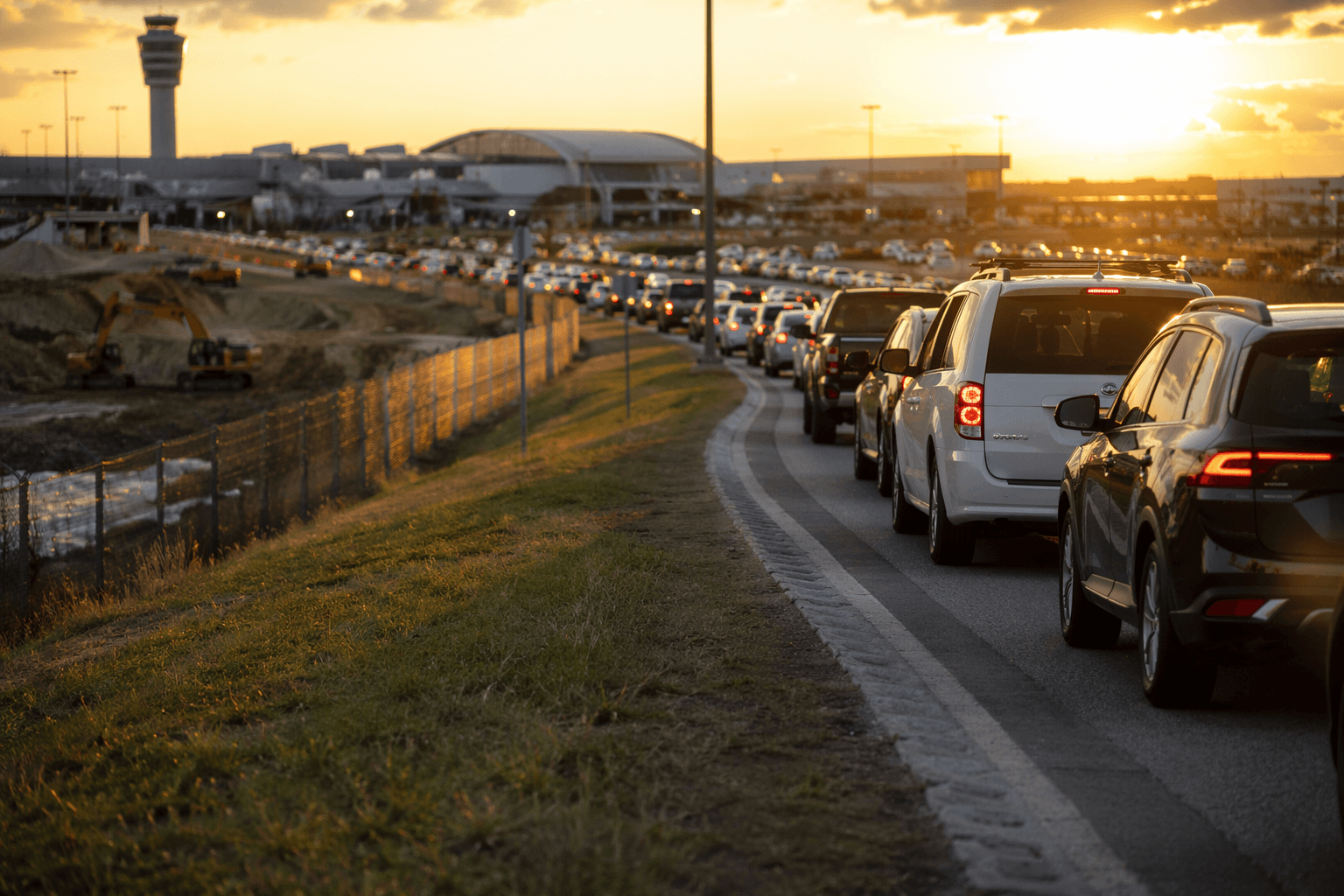
RDU's biggest overflow lot, Park Economy 3, is in the middle of a major expansion just as summer traffic peaks. Travelers using Park Economy 3 now have to account for shuttle service to Terminal 1 and Terminal 2, along with construction around the lot near Aviation Parkway and National Guard Drive.
One Wake County family heading to Kansas said it had been two years since its last trip. Travel agent Stacy Gray said flexible travelers can still find opportunities if they are willing to shift timing or destination.
RDU is investing $2.5 billion over 10 years through its Transform RDU capital program, a long-running buildout tied to the airport’s Vision 2040 master plan, which the Raleigh-Durham Airport Authority approved in 2017. Air traffic rose 6.5% from 2023 to 2024, and RDU serves 19 airlines and more than 80 nonstop flights.
RDU’s Park Economy 3 expansion received Platinum Envision verification in March 2025, and the lot is expected to grow from about 3,800 spaces to 11,000 by the end of 2026, with roughly 7,000 new spaces opening in phases through mid-2026. In January 2026, Park Economy 4 was closed to traveler bookings and converted to employee-only parking.
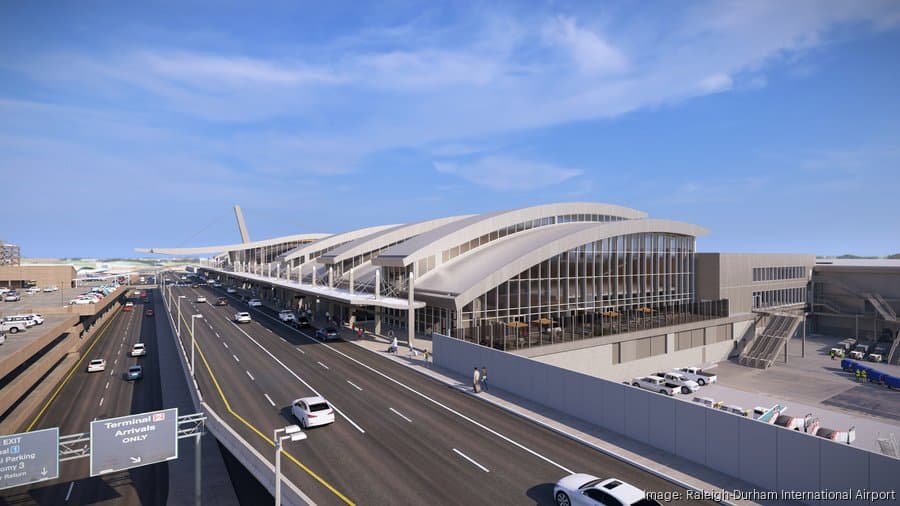
In May 2025, the Transportation Security Administration projected that North Carolina airports would screen nearly eight million travelers during the summer months, about the same as 2024. Visit Raleigh counted more than 31,500 departing passengers at RDU on May 11, 2025, followed by more than 30,600 on May 12, two of the airport’s busiest days ever.
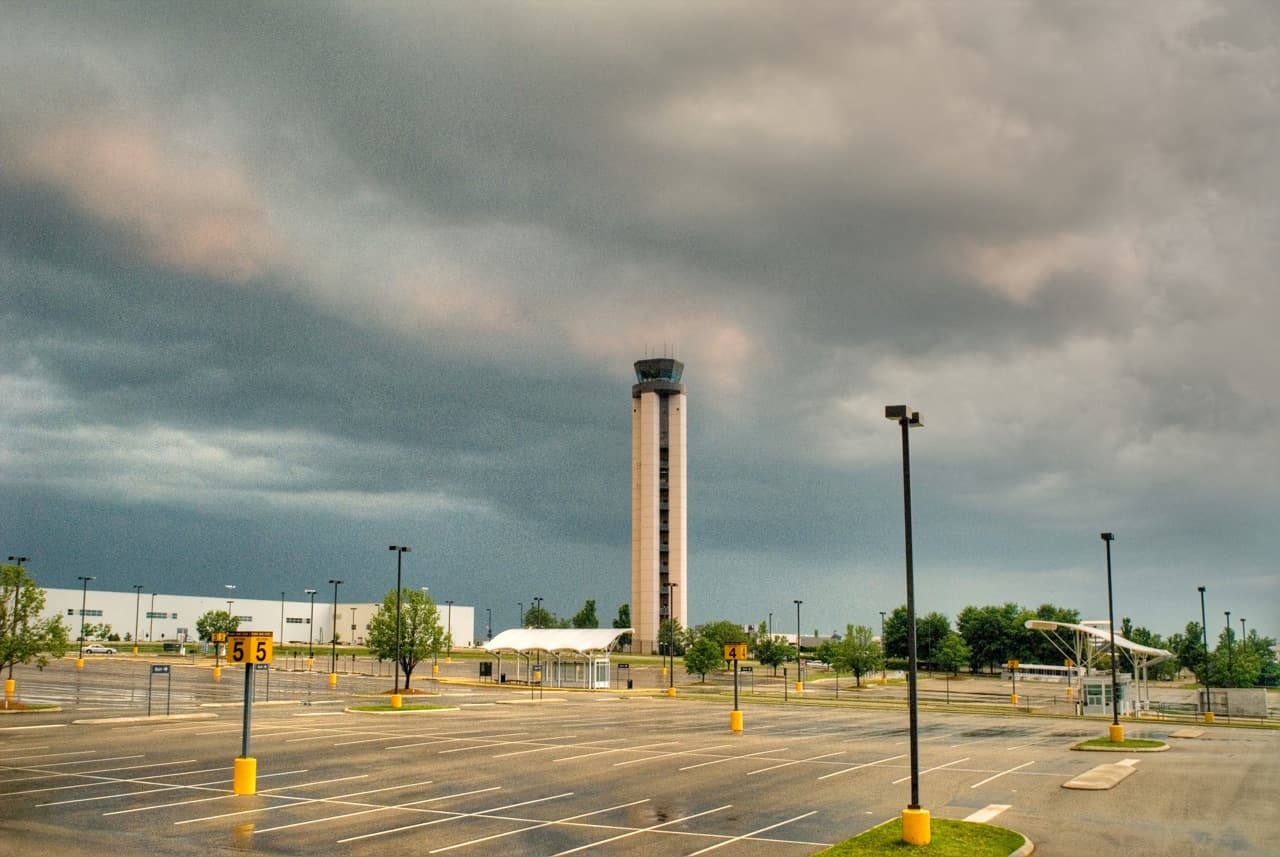
Stephanie Hawco, the airport spokesperson, said RDU expects to add thousands more parking spaces by the end of the year and is studying how people move through the system as it tries to recruit new destinations from airlines. Another roadway project on John Brantley Boulevard is expected to start affecting traffic in mid-2027.
This article was produced by Prism’s automated news system from verified source data, official records, and press releases, then run through automated quality and moderation checks before publishing. The system is built and supervised by the people who set the standards it runs under. Read our full AI policy.
Know something we missed? Have a correction or additional information?
Submit a Tip