RDU Closes Economy Lot 4 as Airport Expands Economy Lot 3
Raleigh-Durham International Airport closed its Economy Lot 4 to public parking on Jan. 1, 2026, converting the roughly 3,300-space lot to employee-only parking as part of a multiyear expansion. The change is an early phase of RDU's Transform RDU program and will shift short-term parking supply and traffic patterns while paving the way for a nearly threefold increase in Economy Lot 3 capacity and other airport upgrades.
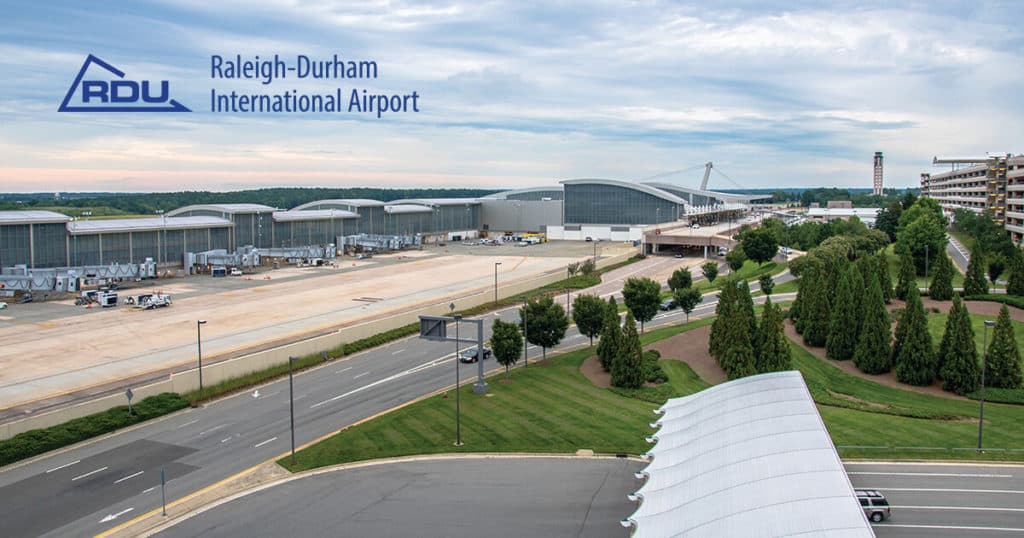
On Jan. 1, 2026, Raleigh-Durham International Airport removed about 3,300 public parking spaces by converting Economy Lot 4 to employee-only parking, a change intended to accommodate construction and operational needs tied to the airport's multiyear, multibillion-dollar Transform RDU capital improvement program. The closure reduces immediate public economy parking inventory but is part of a broader reconfiguration that will increase long-term capacity and customer amenities.
RDU is expanding Economy Lot 3 from roughly 3,800 spaces to around 11,000 spaces, a net increase of roughly 7,200 economy spots once the project is complete. The Economy 3 redevelopment will include a new customer amenity building with restrooms, solar panels and electric vehicle chargers, reflecting an emphasis on convenience and sustainability as the airport scales up. The airport has issued guidance for approaching the new Economy 3 entrance to help reduce congestion, and travelers can still reserve parking at ParkRDU.com.
The lot changes are an early component of Transform RDU, which will also add a new runway, expand Terminal 2, increase ticketing and international processing capacity and upgrade baggage claim and security areas. Construction on Terminal 2 and related projects will roll out through 2026 and continue into the coming years, signaling sustained disruption in some traffic patterns and phased benefits over time.
For Wake County residents and businesses, the project carries both short-term friction and longer-term opportunity. In the near term, travelers who previously relied on Economy Lot 4 will need to adjust plans and use reservation tools or alternate parking during construction. Changes to employee parking may alter commuting patterns for airport staff and could increase demand for transit, carpooling or off-site parking as the work continues.
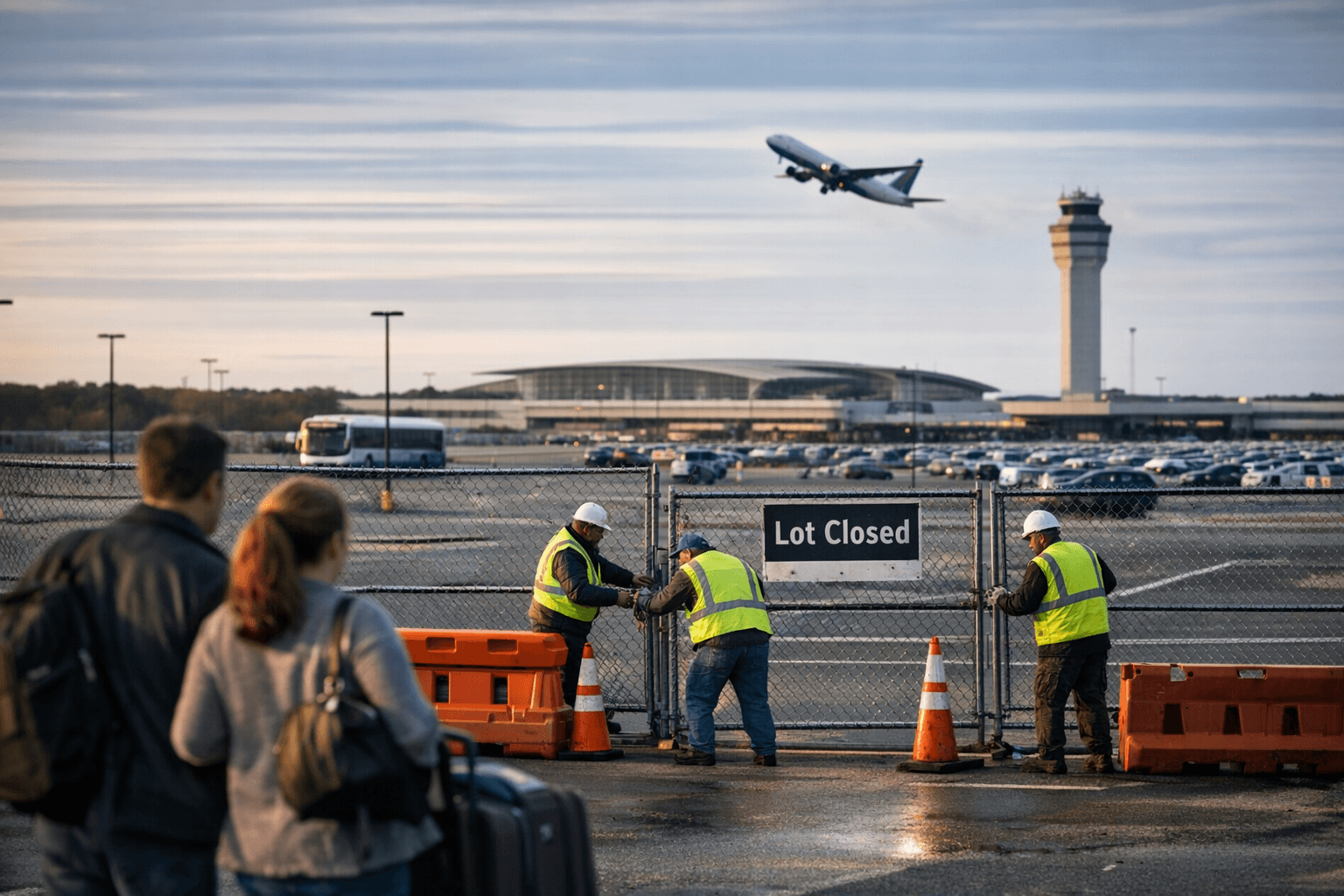
Over the longer term, added runway and terminal capacity are expected to raise RDU's ability to handle more flights and higher passenger volumes, which can benefit the local economy through increased tourism, business travel and related spending on hotels, restaurants and ground transportation. The inclusion of solar panels and EV chargers points to a policy trend toward greener infrastructure in regional transportation projects.
Airport executives have framed the program as essential to meet future passenger growth; the phased rollout means residents should expect intermittent construction impacts through the remainder of 2026 and beyond while the airport expands its footprint and services.
This article was produced by Prism’s automated news system from verified source data, official records, and press releases, then run through automated quality and moderation checks before publishing. The system is built and supervised by the people who set the standards it runs under. Read our full AI policy.
Did this article answer your question?

