RDU Travelers Relieved, Frustrated as TSA Workers Begin Receiving Backpay
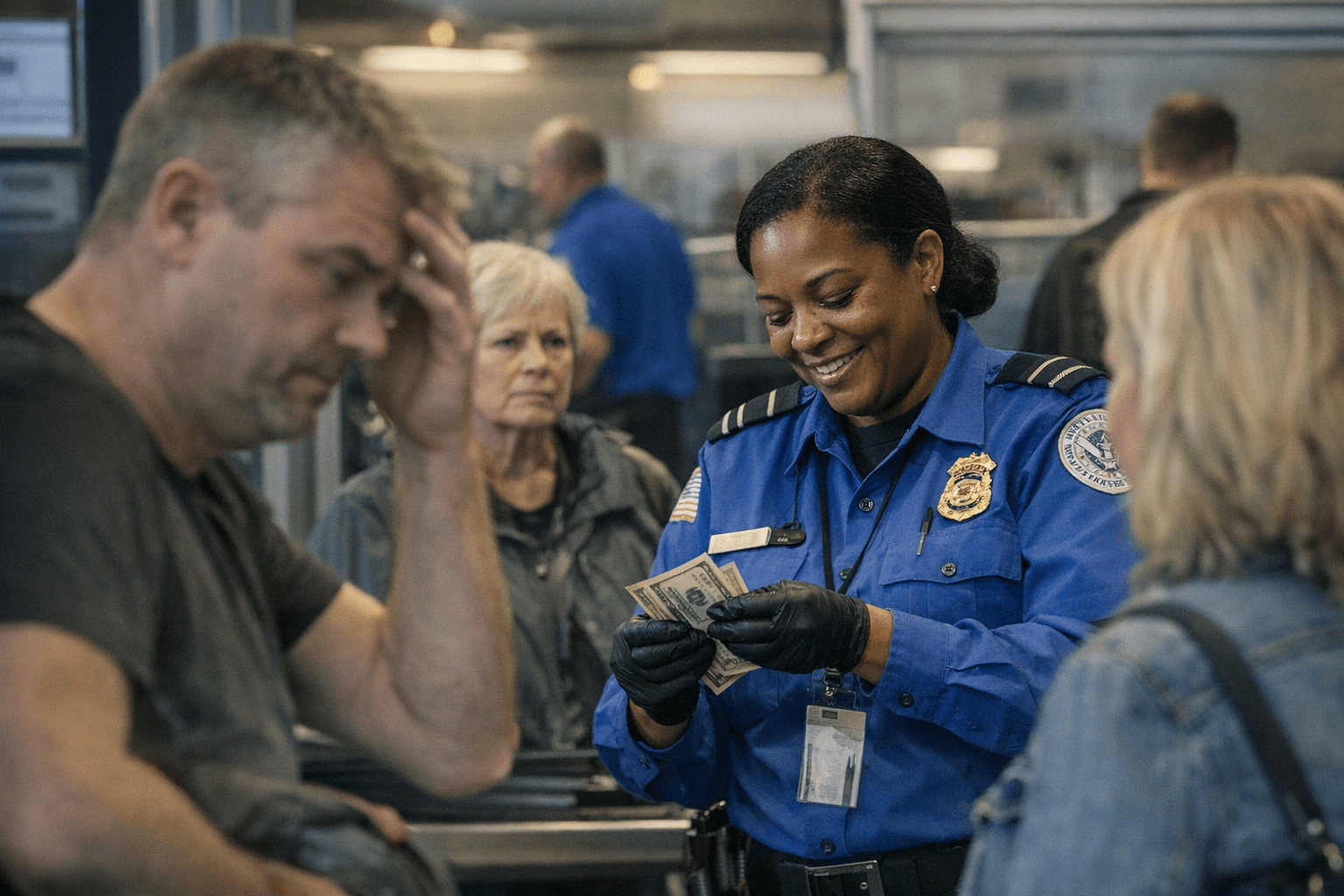
Six weeks without a paycheck: RDU's TSA workers began receiving partial backpay the week of March 30, and Wake County travelers had strong words about the delay.

Six weeks after TSA officers at Raleigh-Durham International Airport stopped receiving paychecks, partial backpay began arriving the week of March 30 following a presidential executive order intended to restore emergency compensation to federal security workers caught in a funding standoff.
For travelers moving through RDU's checkpoints, the mood was split. One passenger told reporters the backpay was "about time," while another was less forgiving: "Too little, too late." Both reactions captured a broader frustration shared by Triangle-area flyers who watched front-line federal employees endure a six-week financial crisis while maintaining checkpoint operations that, at RDU at least, avoided the severe delays reported at larger hub airports across the country.
RDU's relative stability during the pay lapse was notable. While airports in other major cities contended with staffing shortages that stretched security lines and contributed to missed flights, the Morrisville airport largely kept its checkpoints moving. But operational continuity didn't mean the human toll went unnoticed locally. The Food Bank of Central and Eastern North Carolina partnered with RDU and other community organizations to run onsite food distributions and gift-card drives, giving TSA employees a way to cover groceries and essential expenses while their federal paychecks were frozen.
That local safety net has now begun to wind down. RDU announced it ended its public gift-card donation program after federal guidance changed following the executive order, a sign that the immediate financial emergency has passed, at least partially.
Whether restored pay translates into sustained staffing levels and consistent checkpoint throughput over the coming weeks remains an open question. The executive order allowed for partial backpay distribution, but the structural funding conflict driving the six-week crisis has not been resolved at the congressional level, leaving the possibility of future disruptions unaddressed.
For travelers flying out of RDU in the near term, the practical calculus hasn't changed: two hours before domestic departures, three hours before international flights. Enrollment in TSA PreCheck or CLEAR remains a reliable hedge against checkpoint uncertainty as staffing patterns stabilize.
The episode made plain how quickly a federal pay dispute ripples into the daily routines of Wake County commuters and business travelers, and how much of the local fallout landed on community organizations rather than the agencies whose funding impasse created the problem.
This article was produced by Prism’s automated news system from verified source data, official records, and press releases, then run through automated quality and moderation checks before publishing. The system is built and supervised by the people who set the standards it runs under. Read our full AI policy.
Did this article answer your question?