Records show long harassment history before Wake County Courthouse shooting
At least four permanent restraining orders and a 2023 gatekeeper order came before the Wake County Courthouse shooting that left two Fox Rothschild attorneys shot.
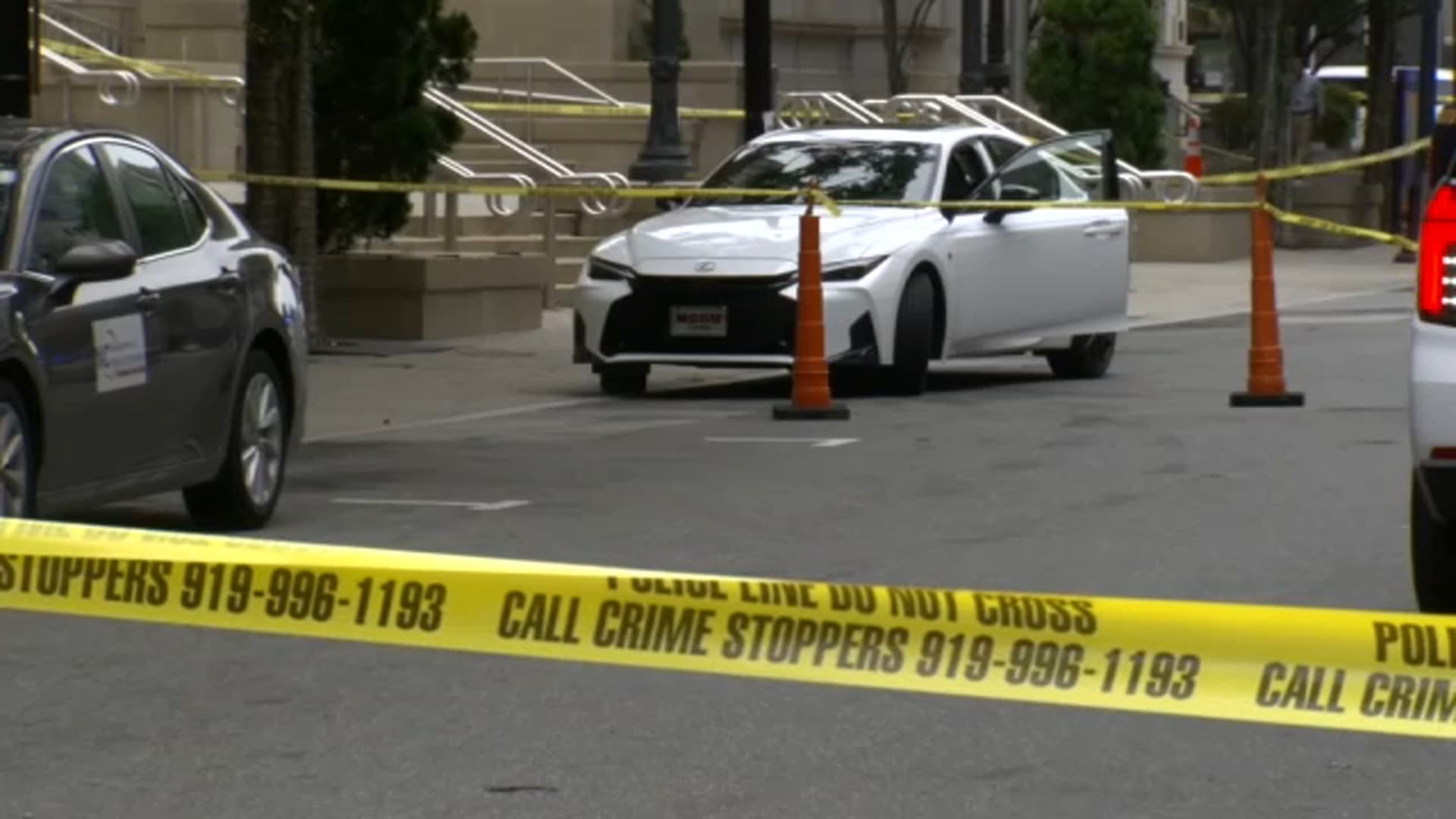
At least four permanent restraining orders, a 2023 gatekeeper order and years of civil conflict preceded the May 22 shooting outside the Wake County Courthouse in downtown Raleigh. Police charged Gwendolyn White with two counts of attempted first-degree murder after Mary K. Harris and Jeffrey R. Whitley, two Fox Rothschild attorneys, were shot as they left the courthouse around 10:30 a.m.
The dispute behind the case stretches back to 2021, when White had an argument with neighbors and Rolesville police responded. Court records say White asked for body-camera footage in February 2022, the complaint was dismissed in March 2022, and ABC11 reported she received the footage in January 2026. The attorneys were representing the Town of Rolesville in a civil matter, and town officials said the shooting was deeply disturbing.
White’s litigation history also had a long paper trail. WRAL reported she had filed more than a dozen civil lawsuits dating to 2009 and represented herself in 12 of 16 cases. A Wake County judge issued a Gatekeeper Order against her in 2023 after finding her filings were intended to harass and torment the opposing party. North Carolina Superior Court judges’ benchbook describes gatekeeper orders as a last-resort pre-filing injunction used to curb abusive litigants.
That court history was not the only warning sign. Reporting says White followed a pattern of stalking and threatening behavior wherever she moved, and records show at least four permanent restraining orders were entered against her in the five years before the courthouse shooting. North Carolina restraining orders are public records, and protective orders under Chapter 50B can be registered with the clerk of court in civil domestic-violence cases. The state also maintains an Address Confidentiality Program for victims of domestic violence, sexual assault and stalking.
Police and warrant documents added another layer of concern. A warrant said White had recently been documented in a patrol advisory after allegedly calling a medical facility and threatening to carry out a shooting. Investigators believed she was in a severe mental crisis and had an extensive mental-health history documented by Raleigh police. ABC11 reported White told her attorney she had no memory of the shooting, and her lawyer sought a competency determination.
At her first appearance, White was held without bond. WRAL reported she could face up to 65 years in prison if convicted. For Wake County, the case has become more than a single act of violence outside the courthouse; it has exposed how many documented conflict points existed before the gunfire and how much pressure rests on courthouse security, civil-protection orders and the systems meant to intervene before a dispute turns deadly.
This article was produced by Prism’s automated news system from verified source data, official records, and press releases, then run through automated quality and moderation checks before publishing. The system is built and supervised by the people who set the standards it runs under. Read our full AI policy.
Know something we missed? Have a correction or additional information?
Submit a Tip