Repole names Raleigh as potential UFL expansion market
Mike Repole put Raleigh on the UFL’s expansion map, but the real test is whether 56,919-seat Carter-Finley and Wake County’s fan base can support spring football.
Raleigh has emerged as a potential home for a United Football League expansion team, but the business case matters more than the buzz. Mike Repole, who now oversees the league’s business operations, has been talking about new markets while also warning that weak attendance could put existing franchises such as Birmingham, Alabama, under pressure.
The UFL formally opened its first expansion process on Nov. 25, 2024, and said it was accepting proposals from prospective markets. Repole later said the league could shift at least two, and possibly four, home markets ahead of the 2026 season. By April 2026, he was publicly discussing possible destinations, and Raleigh was later named among a longer list that also included New England, Austin, Queens, New Mexico, Greenville or Charleston, Utah and Boise. In June, Oklahoma City was announced as a UFL expansion team for 2028, even as Repole continued to talk about additional markets.
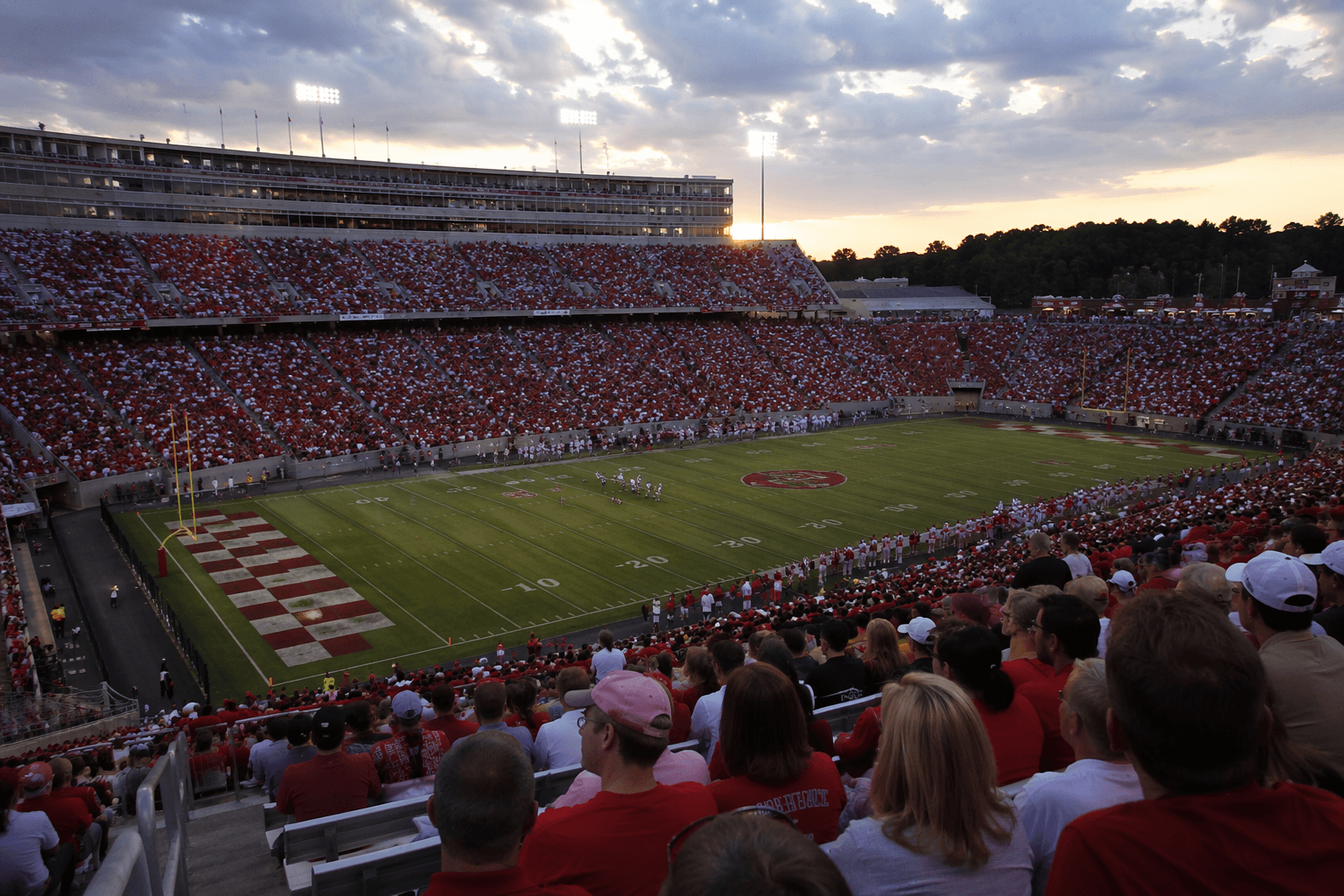
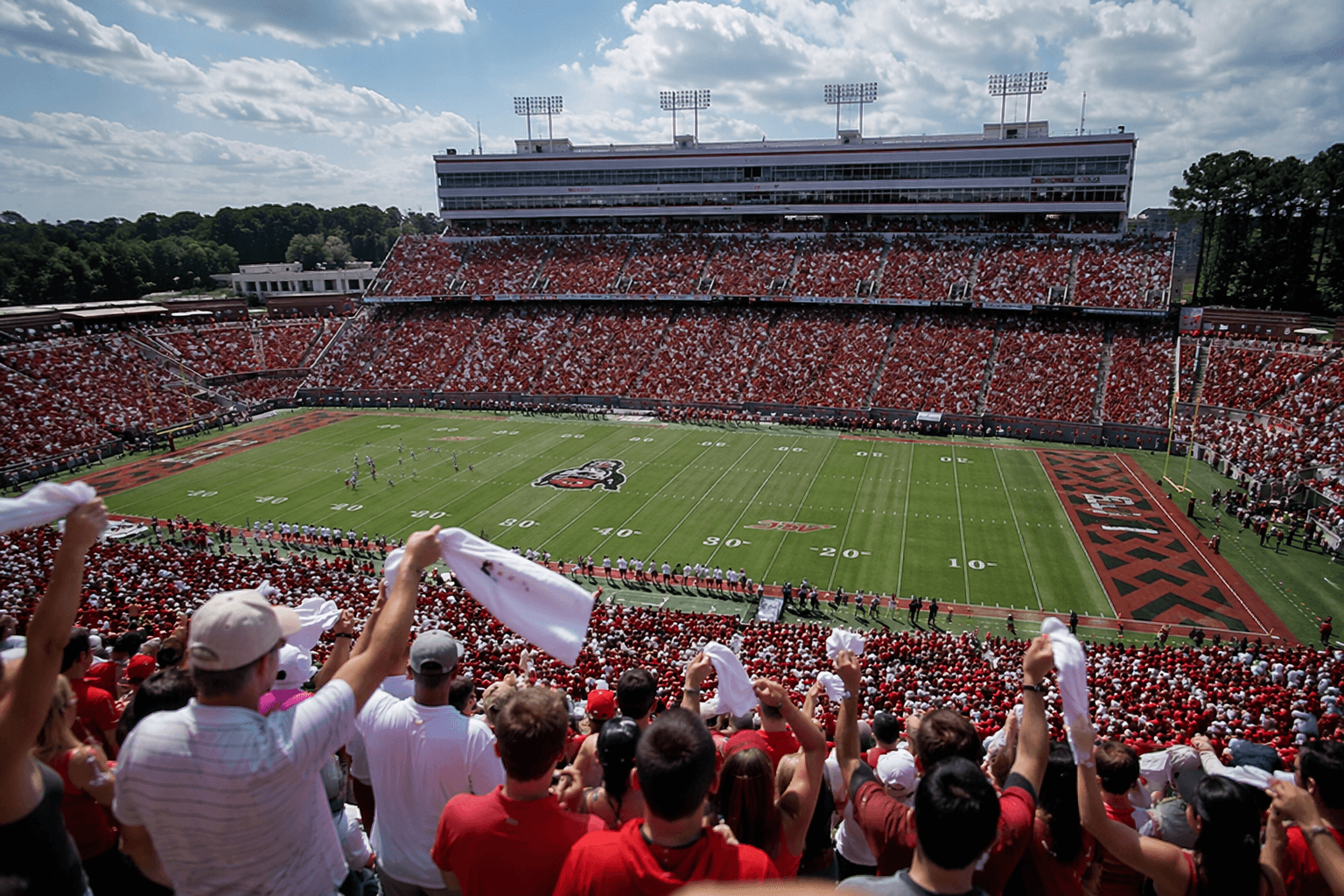
Raleigh’s pitch starts with scale. Wake County’s estimated population reached 1,257,235 on July 1, 2025, giving any new franchise a large metro area to target. The city also already has a major football venue in Carter-Finley Stadium, which seats 56,919. North Carolina State’s football program added another data point for the Triangle’s appetite: the NC State Wolfpack tied for second in the ACC with a 100% attendance percentage in 2025 and stretched its program-record sellout streak to 27 straight home games.
That record suggests the region can still pack in football fans, but spring pro football is a different financial test. A UFL team would have to draw enough paid attendance to fill a stadium that is built for far bigger crowds than most spring leagues can reliably attract. The upside would go to hotels, restaurants, parking operators and other businesses around Raleigh and Western Wake. The risk is that a franchise could simply redistribute sports dollars already spent on NC State, college baseball, basketball and other local entertainment.
Raleigh also has a cautionary precedent. The Raleigh-Durham Skyhawks played one season in the World League of American Football in 1991, leaving the area with an earlier reminder that pro football is not automatically a long-term fit. For now, Raleigh sits on Repole’s expansion board as a market with size, infrastructure and football interest, but any serious move would still have to clear the hardest hurdle of all: proving the numbers work without shifting too much cost onto the public.
This article was produced by Prism’s automated news system from verified source data, official records, and press releases, then run through automated quality and moderation checks before publishing. The system is built and supervised by the people who set the standards it runs under. Read our full AI policy.
Know something we missed? Have a correction or additional information?
Submit a Tip