SBI seeks to expand license-plate cameras across North Carolina entrances
A state plan would push license-plate cameras to every North Carolina entry point, putting Wake County commuters into a much larger surveillance net.
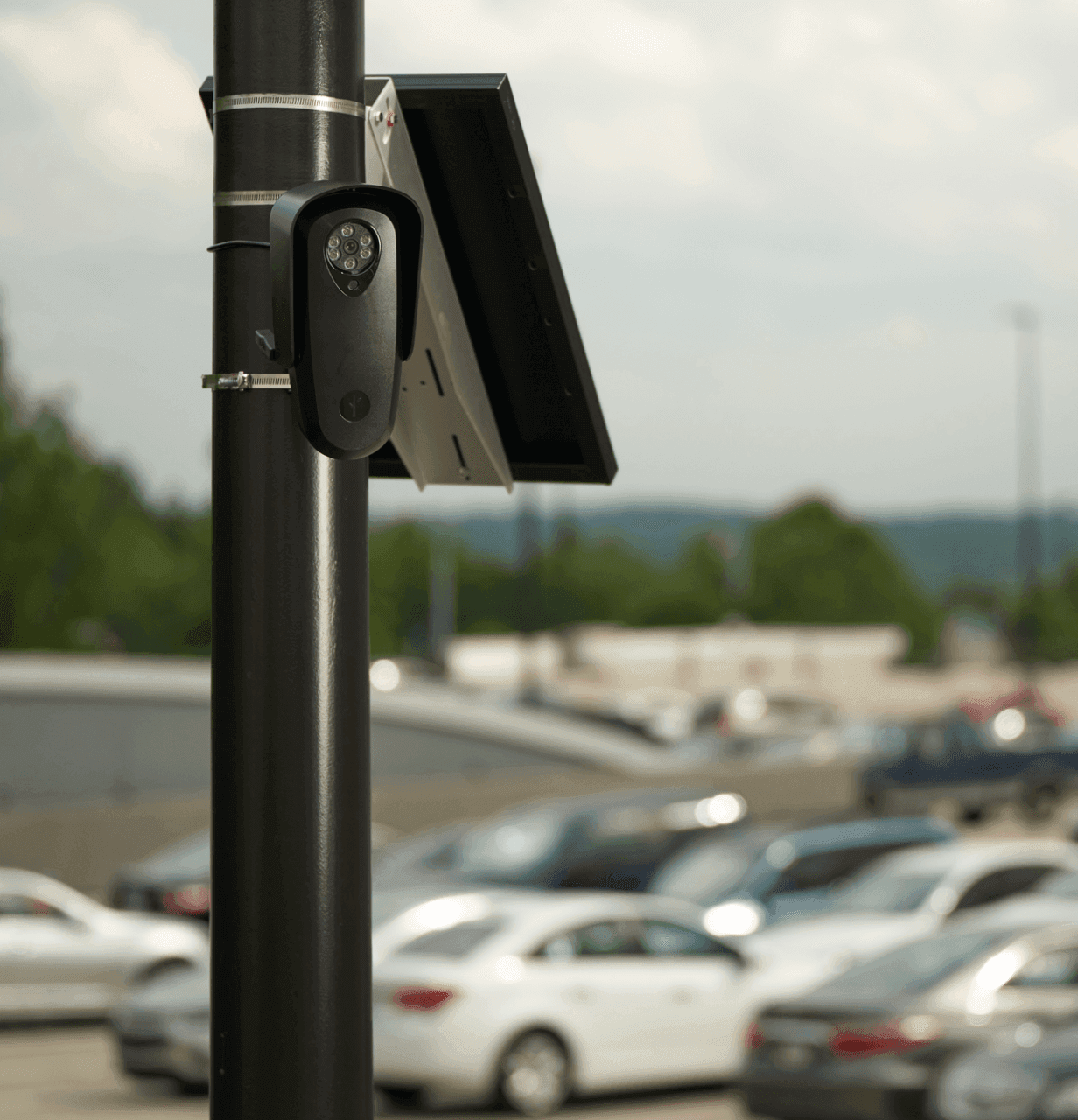
A drive into or out of North Carolina could soon pass far more license-plate cameras, and Wake County drivers would be part of that sweep every day. The State Bureau of Investigation wants to extend automatic license-plate readers from the state roads already in use around Raleigh to all entrances and exits to North Carolina, turning routine commutes into a much larger database of vehicle movement.
The SBI’s initial report on the pilot program, dated April 7, said the network already had more than 100 cameras installed on state rights-of-way from Raleigh to Ocean Isle Beach and had captured more than 150 million plate scans. Thirty-two agencies statewide were already participating, including the Raleigh Police Department and the Wake County Sheriff’s Office, which means local investigators are already using the system on streets and highways that Wake residents travel every day.

The report said the pilot program was created by Session Law 2023-151, later amended by Session Law 2024-43, and is operated by the SBI in partnership with the North Carolina Department of Transportation. Unless lawmakers act, the pilot expires July 1. The SBI is now asking the North Carolina General Assembly not only to extend the program until 2028, but also to create grants that would help local agencies buy and install the same technology.
That matters in Wake County because the current network already reaches the county through agencies with daily visibility on local traffic, including Raleigh police and the sheriff’s office. More than half of the departments with cameras had installed 140 automatic license-plate readers along state rights-of-way, expanding the web of collection well beyond a single roadside checkpoint. Supporters say that reach can help investigators trace vehicles linked to violent crime, theft and missing-person cases, and the UNC School of Government has noted that cities including Charlotte, Raleigh, Greensboro and Fayetteville have credited ALPRs with helping reduce crime and apprehend wanted suspects.
The privacy questions are just as concrete. North Carolina law requires participating agencies to provide written policies on ALPR use, the number of plates captured and how often data is preserved for more than 90 days. The same law makes unauthorized access, preservation or disclosure of ALPR data a Class 1 misdemeanor. The SBI must submit a final report to legislative oversight committees by October 1, and the coming debate will decide whether that system stays limited to existing state roads or expands into a far wider record of who drives where in North Carolina.
This article was produced by Prism’s automated news system from verified source data, official records, and press releases, then run through automated quality and moderation checks before publishing. The system is built and supervised by the people who set the standards it runs under. Read our full AI policy.
Did this article answer your question?