Spectrum buries cable in Holly Springs after yearlong complaint
A Spectrum cable lay across Holly Springs driveways for nearly a year until a public complaint forced a fix within hours. Another Wake County resident then described the same kind of hazard.
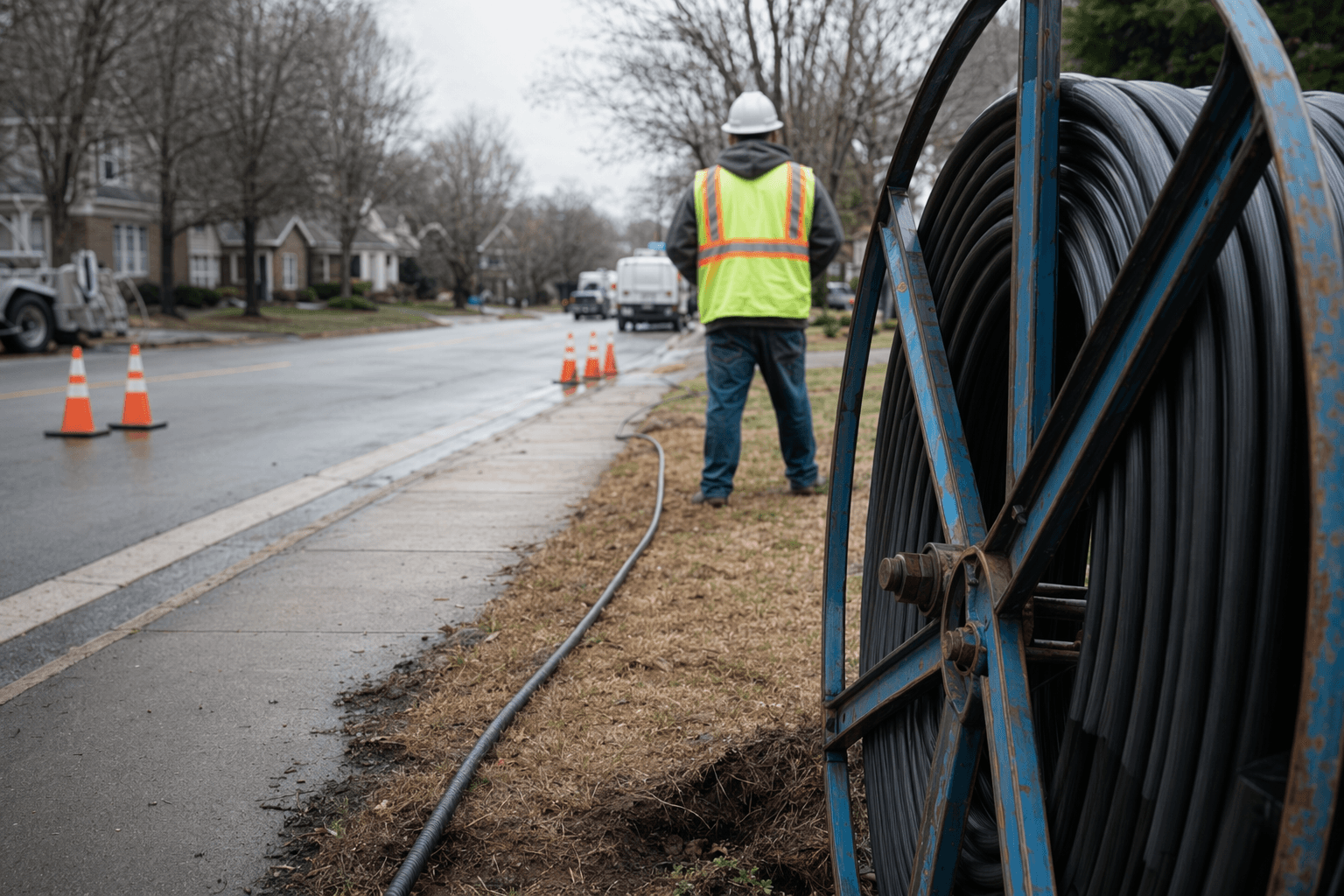
Spectrum finally buried an exposed cable across several Holly Springs driveways within hours after CBS 17 pressed the company on a complaint that had lingered for nearly a year, leaving residents to step around a trip hazard in their own neighborhood.
The problem first surfaced in June 2025, but a neighbor did not call Spectrum until October. Jim King called again in November, then used the phone number on the Spectrum utility box in February and was told someone would come out in two weeks. Nothing changed until CBS 17 intervened. Once the station contacted Spectrum, technicians buried the line within hours, ending a problem that had frustrated homeowners in Holly Springs, in Wake County, for months.
Spectrum said it was sorry for the long delay, would look into where the miscommunication happened and completed repairs immediately once it became aware of the issue. That quick turnaround, after repeated private complaints went nowhere, turned a small neighborhood nuisance into a broader accountability story about how utility problems can sit unresolved until they become public.
The reporting did not stop with one driveway. CBS 17 later said Michael Jones of Willow Spring, in the Willow Bluffs subdivision, raised a similar complaint on Eric Street. Jones said a cable ran from a utility box on his property across two neighbors’ properties and into another box, creating both a trip hazard and a mowing hazard. That line, too, was addressed within hours after CBS 17 contacted Spectrum.
The Holly Springs case also helps explain why these disputes can be so confusing for homeowners. Town guidance says North Carolina allows public agencies and utility companies, including Spectrum and Google Fiber, to work in front of a resident’s yard if the work stays within the public right-of-way. That means a cable may be allowed to sit where it looks intrusive, even when it creates a safety or access problem for the people living there.
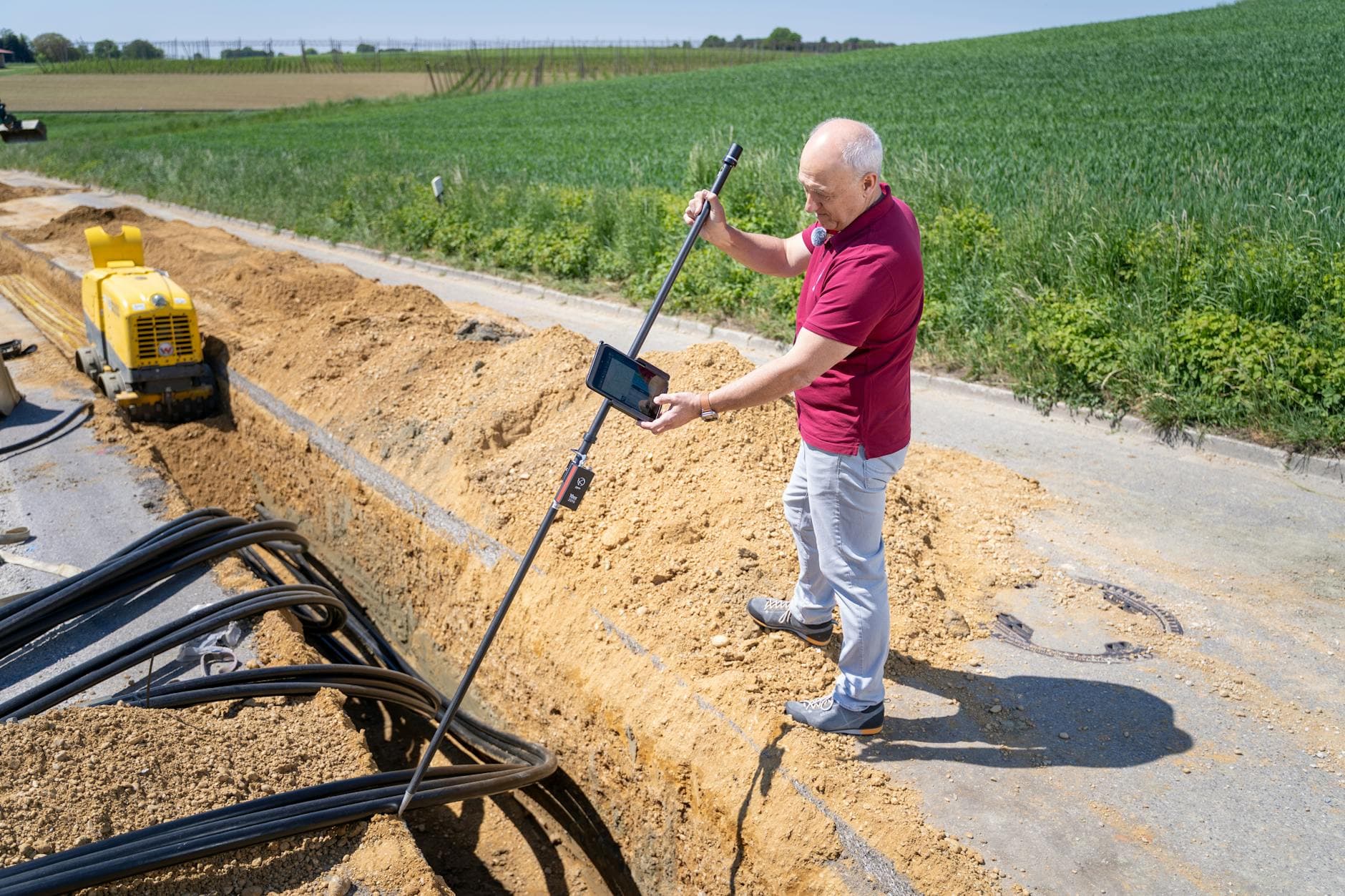
For residents dealing with similar issues, the town points complaints about utility work to the North Carolina Attorney General’s Office Consumer Protection Division, and digging-related concerns to NC 811. In Holly Springs, the line that sat for months was finally buried only after public attention forced action, a reminder that persistent follow-up can matter when a utility leaves a hazard in place.
Know something we missed? Have a correction or additional information?
Submit a Tip