State Finds 7 of 12 Allegations True Against Raleigh's Holly Hill Hospital
State investigators substantiated seven of 12 allegations against Holly Hill Hospital for lapses in medication, searches, and documentation, a finding that raises safety and oversight concerns for Raleigh families.
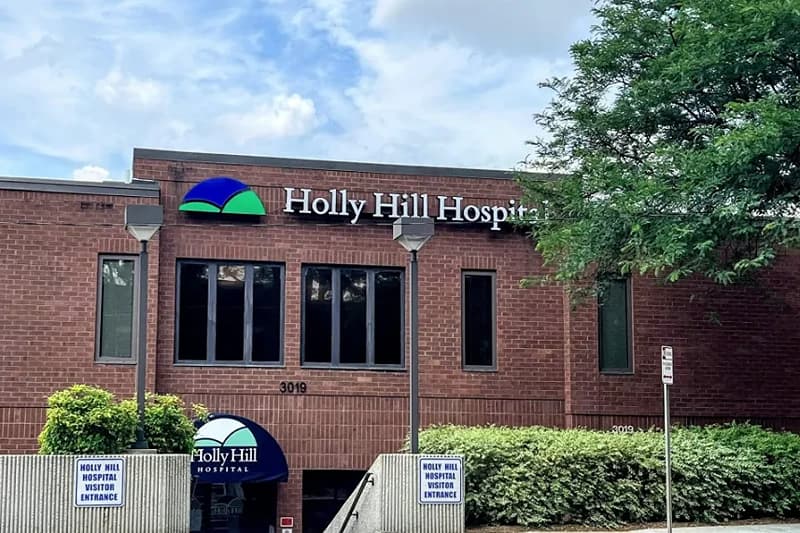
State investigators found seven of 12 allegations against Holly Hill Hospital, a psychiatric facility in Raleigh, to be substantiated after a state inspection that cited missed medications, failure to search rooms for contraband, and inadequate patient safety and treatment-plan documentation. The findings, dated January 16, 2026, follow earlier local reporting of staffing concerns, escapes and other incidents that put patient and community safety under scrutiny.
Regulators documented failures that directly affect the daily care patients receive. Investigators concluded prescribed medications were not administered as ordered, searches of patient rooms for contraband were not consistently performed, and records lacked sufficient detail to confirm appropriate safety monitoring and individualized treatment planning. Those procedural gaps can increase risk of harm for patients and create stress for families and staff responsible for managing behavioral health crises.

The hospital has submitted a corrective action plan that pledges increased oversight and additional staff training. The plan is intended to address supervision, documentation practices and the hospital’s approach to contraband prevention. State regulators will monitor compliance with the plan; further inspections or enforcement actions could follow if deficiencies persist.
For Wake County residents, the decision highlights broader public health and policy issues. Psychiatric hospitals serve some of the county’s most vulnerable people, including residents with serious mental illness and substance-use disorders. When institutional safeguards break down, the consequences extend beyond the hospital walls - affecting families seeking reliable care, first responders who transport patients, and community trust in local mental health services. Staffing shortages and turnover, long-standing challenges in behavioral health care statewide, remain central to understanding why these lapses occur.
The findings also point to equity concerns. Patients in institutional psychiatric settings are often low-income, uninsured or covered by public insurance, and rely on regulated facilities to deliver basic medical and safety needs. Weak documentation and missed medications can compound existing disparities in access and outcomes, particularly for marginalized communities in Raleigh and across Wake County.
Community advocates and policymakers may press for clearer public reporting, stronger staffing standards, and investment in outpatient and community-based services that can reduce reliance on inpatient beds. In the near term, families of current and former Holly Hill patients should expect follow-up inspections and possible updates from state regulators and the hospital about implementation of corrective measures.
This story is part of an ongoing oversight process; readers should watch for state updates and hospital reports as regulators track whether promised changes translate into safer, more reliable care for Raleigh’s psychiatric patients.
This article was produced by Prism’s automated news system from verified source data, official records, and press releases, then run through automated quality and moderation checks before publishing. The system is built and supervised by the people who set the standards it runs under. Read our full AI policy.
Did this article answer your question?