State panel approves $309 million for Lenovo Center upgrades
A state panel approved $309 million for Lenovo Center upgrades, backing new seating and hospitality spaces at the Raleigh arena. The financing is tied to a larger district plan around Edwards Mill Road.
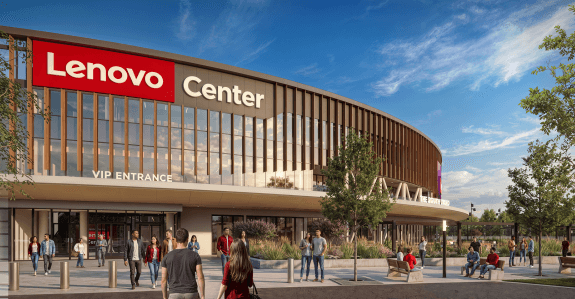
The state panel signed off on $309 million in debt for Lenovo Center renovations, a public financing package that will help pay for expanded seating, a refreshed concourse and other upgrades at the arena off Edwards Mill Road in Raleigh. The approval gives Centennial Authority the money it sought through $200 million in bond anticipation notes and $109 million in revenue bonds.
The North Carolina Local Government Commission, which oversees debt for more than 1,300 local government units across the state, approved the request on June 9. Centennial Authority, created by the North Carolina General Assembly in 1995, owns Lenovo Center and has framed the project as part of a broader economic strategy for Wake County.

That case rests heavily on the arena’s steady traffic. Lenovo Center hosts more than 400 events each year, including Carolina Hurricanes games, NC State men’s basketball and concerts, conferences and other large gatherings. A 2018 study projected that the arena’s 20-year economic impact for Wake County would top $4 billion, a figure the authority has used to support continued investment around the building.
The renovation plan extends beyond the arena bowl. Recent planning documents and team updates have described a new marketplace, a refreshed 300-level concourse, six new luxury bunker suites and a view bar among the planned additions. Earlier expectations had been that capacity would be reduced, but later reporting said the project found ways to add some seating as the design moved forward.
The financing approval also fits into a larger development push that began to take shape in June 2024, when Centennial Authority and the Carolina Hurricanes announced a multi-phase, mixed-use district around Lenovo Center. The North Carolina legislature later approved $35 million for public infrastructure improvements around the arena, signaling that the public side of the project is not limited to the building itself but also to roads, utilities and other improvements meant to support future development.
Centennial Authority held a public hearing on its fiscal 2026-27 operating and capital budget on June 4, just days before the debt approval. For Raleigh and Wake County, the wager is clear: use public-backed financing to upgrade a major entertainment venue, keep pace with modern arena expectations and try to convert event traffic into broader private investment around one of the city’s biggest gathering places.
This article was produced by Prism’s automated news system from verified source data, official records, and press releases, then run through automated quality and moderation checks before publishing. The system is built and supervised by the people who set the standards it runs under. Read our full AI policy.
Did this article answer your question?